






OUR BLOG
Damaged Pallets Alerts

Improving Warehouse Safety Through Smarter Pallet Reporting

Every warehouse has them — the “we’ll deal with it later” pallets.
They aren’t ignored on purpose. Teams are busy unloading trucks, picking orders, and hitting shipping windows. A forklift operator spots a cracked stringer, a supervisor plans to email the vendor, and a note gets scribbled on a clipboard. Then the shift ends, the note is lost, and the pallet stays exactly where it is.
The issue feels minor, but the operational drag is real. What looks like a small maintenance task quietly turns into a recurring problem that threatens Warehouse Safety. The good news? Fixing it doesn’t require a massive project—it just requires a shift toward Automated Pallet Management.

The Real Cost of Delayed Reporting

In many facilities, pallet damage reporting is still handled informally. When you rely on memory and spare time two things in short supply on a busy dock. This manual approach leads to:
  • Compromised Warehouse Safety: A damaged pallet is a structural hazard. If it’s put back into a high-rack, you risk a collapse or worker injury.
  • Wasted Labor: Extra time is spent moving the same broken pallet multiple times because it was never properly tagged or reported.
  • Financial Loss: Without immediate documentation, you can’t hold vendors accountable. You end up paying for their damaged inventory.

The Simple Rule: Spot It → Snap It → Send It

To prioritize reducing product damage, pallet reporting must be treated as an automatic workflow, not a “when we have time” task. Here is how to make that practical:
1. Capture Damage During Work You Already Do
Pallet checks don’t need to be a separate task. Build them into moments when pallets are already being handled:
  • Receiving: Look for damage as pallets come off the truck.
  • Shipping: Check pallets before loads leave the dock.
  • Inventory counts: Assess pallet condition while moving stock.
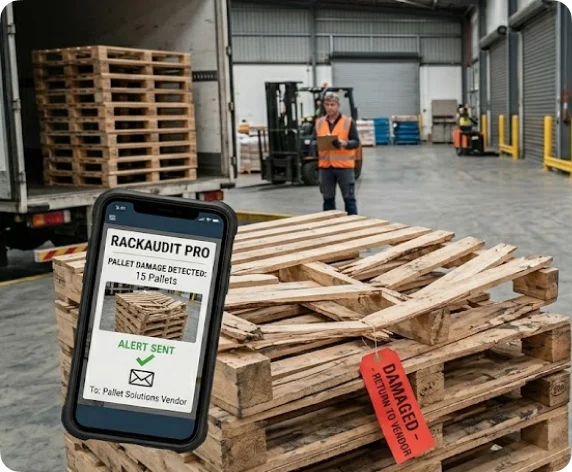
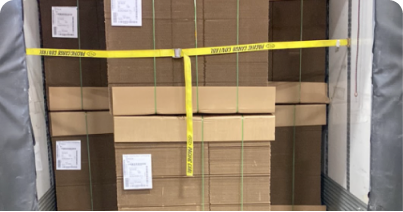
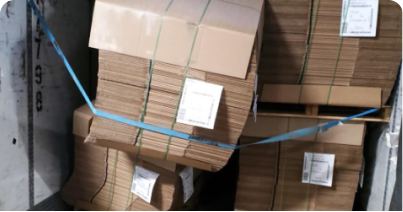
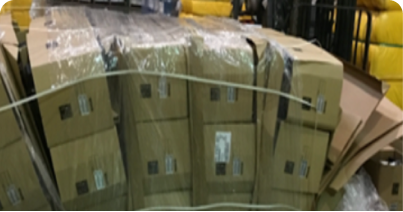
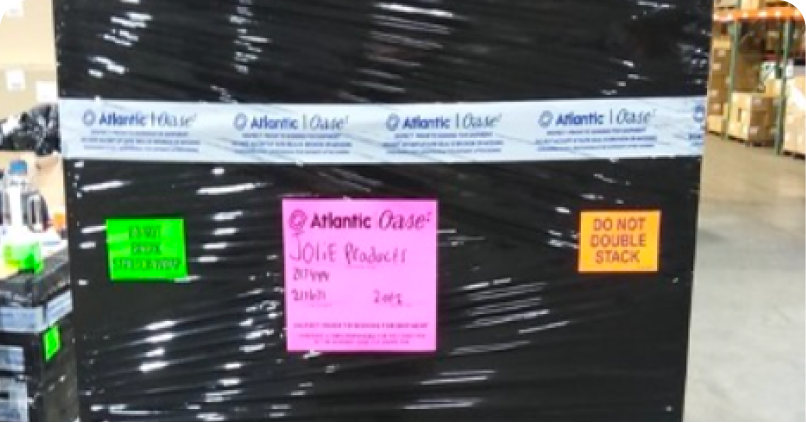
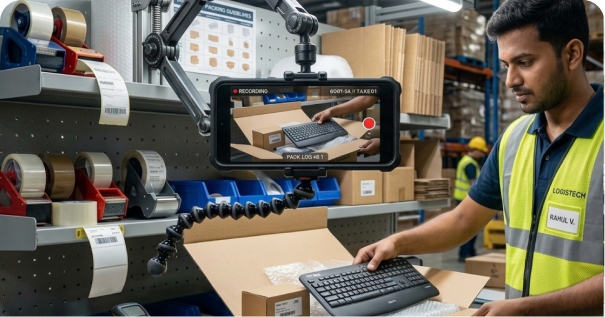
If a pallet is damaged, pause briefly and record it. A quick photo creates a clear visual record of the condition at the moment it was found, supporting faster action and better decision-making.
2. Standardize How Damage Is Logged
Informal notes like “bad pallet” aren’t enough. A consistent pallet inspection record should include:
  • Where the pallet was found (area, dock, or zone)
  • The type of damage
  • The date or shift
This turns a casual observation into usable data that supports Automated Pallet Management.
3. Notify the Vendor Without Delay
Once damage is documented, make sure the right partner sees it quickly. Clear information helps vendors respond with accurate repair or replacement plans.
The faster the vendor understands the issue, the faster pallets are repaired or replaced and returned to safe use. This keeps the pallet pool healthier and reduces the chance that damaged units circulate back into operations.

Why It Wins

This isn’t about being “high-tech”—it’s about operational discipline. By shifting to a photo-driven, immediate pallet damage reporting system, you create a culture of accountability.
Your team feels empowered because they see their reports lead to actual results. You’ll see a measurable difference in reducing product damage caused by pallet failure. Most importantly, you strengthen your facility’s Warehouse Safety profile by ensuring only high-quality pallets move through your racks.

Go See for Yourself: The Pallet Test

Walk your floor and find the area where damaged pallets usually end up.
Ask a simple question:
“What exactly happens between this pallet being set here and it getting repaired or replaced?”
If the answer depends on memory, emails, or “we usually take care of it later,” there’s an opportunity to improve. Set the expectation that any damaged pallet found during normal operations should be documented and moved into a defined reporting process immediately.
It’s a small change in habit but one that can make your warehouse safer, cleaner, and more efficient starting this week.
Share this Article
Dive Deeper