




Fill Metadata and Capture
Image

Patent pending

Start every load with the information that matters. Metadata-first documentation helps create complete, searchable, and defensible records from the beginning.

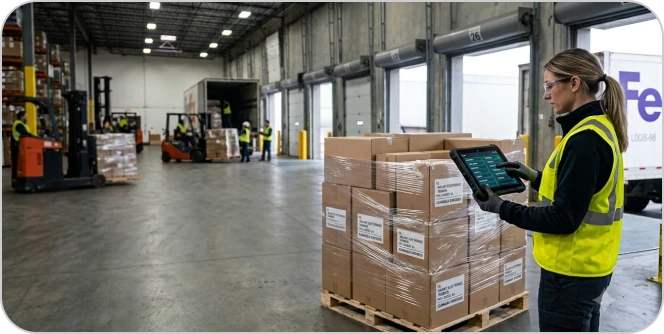
Warehouse operator checking shipment details on a rugged tablet beside a loaded pallet
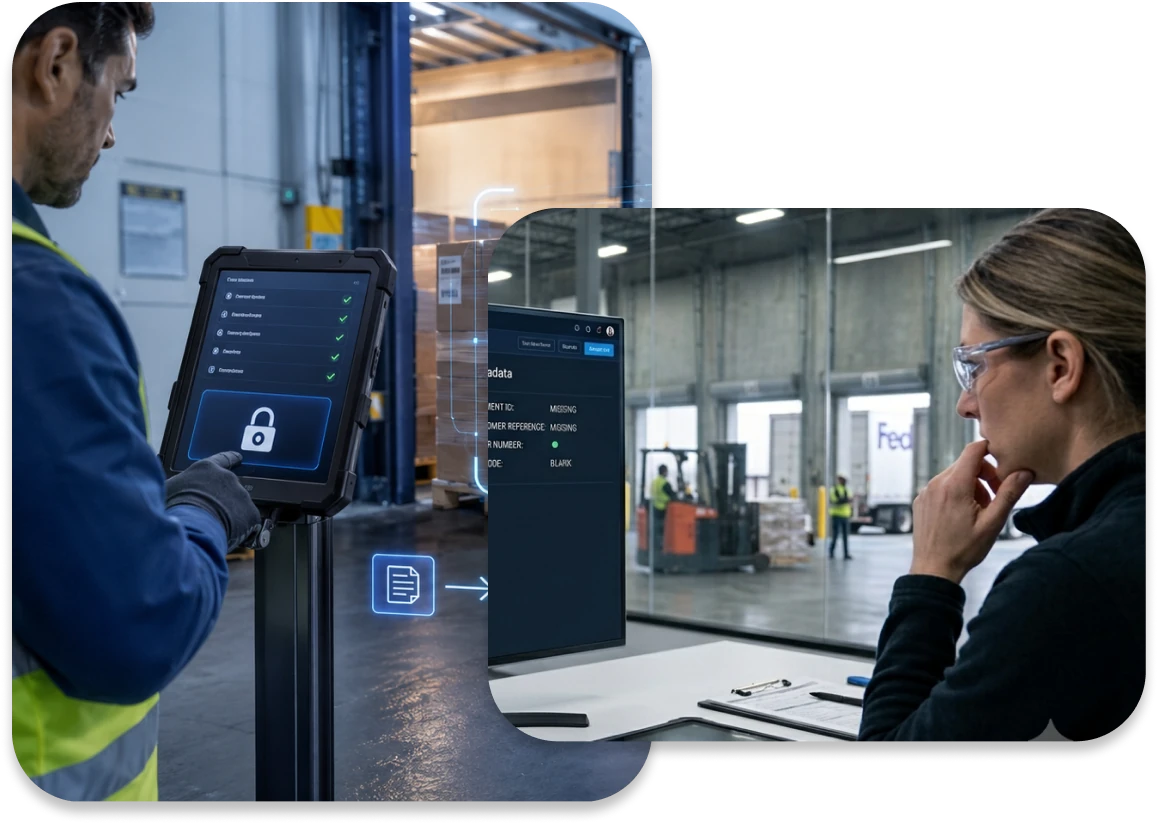
Dock operator completing metadata fields on a kiosk while a manager reviews the same record on screen

Capture Shipment Information Before the First Photo

Capture the Context Before the Camera

Three months from now, someone will need to find a photo of a damaged pallet. If the shipment number was never captured, the customer reference was never entered, and the order detail was skipped because the dock was busy, that photo might as well not exist.

Metadata first documentation prevents this by flipping the sequence. LoadProof requires you to fill shipment details before photos are taken. The user enters the shipment number, customer reference, and order details first. Only then does the camera open. Every image carries its context from the moment it is captured.

This is not a suggestion. It is a structured documentation workflow, enforced, every time, for every user, and that is what makes it work.

The Trade Off with Photo-First Documentation

  • A Photo Alone Isn't Documentation

    Most documentation workflows start with the camera. Open the app, take the photo and fill in the details later.

    The dock can get busy and the next truck is waiting. Metadata fields get skipped, or entered with errors, or filled in from memory hours after the fact. The photo exists but the shipment information capture never happened.

  • Connect Every Image to Every Shipment

    A photo without a shipment number attached is difficult to defend during a dispute. A compliance audit becomes more complicated when images cannot be tied back to operational records. A customer inquiry stalls while someone scrolls through thumbnails trying to match a pallet to an order.

    The cost is not the missing metadata itself. The cost is the time spent reconstructing it, or the consequence of not being able to.

Dock worker photographing a load on a handheld while missing-metadata warnings appear on screen

How Metadata First Changes the Workflow

The sequence is simple. Before the camera opens, the user must complete the metadata fields: shipment number, customer reference, order detail, carrier information, or any custom fields the operation requires. Only then does the capture screen appear. This is to capture metadata before photos, not as a preference, but as a prerequisite.

Three things happen when metadata leads.

  1. Accurate Data Starts Before the Photo

    Data quality improves. Shipment metadata capture at the start of the workflow, when attention is highest, produces more accurate records than information entered later as an afterthought.

  2. Standardise Metadata Before Every Photo

    Simultaneously, the system reads the product's barcode. Barcode reading camera production technology extracts serial numbers, product IDs, bundle numbers, and shipment references from the label in real time. The values populate the shipment metadata instantly.

  3. Fast Retrieval Through Structured Metadata

    Records become searchable. Shipment numbers, customer references, and order details are not just attached, they are the primary keys for retrieval. Finding a specific record takes seconds, not minutes of scrolling through unlabeled images.

What Changes When Metadata Comes First

Records are complete from the start. There is no partial documentation waiting for missing fields and no images sitting in a queue marked "needs metadata." Every record is audit-ready the moment it is created.

Search becomes reliable. Teams locate documentation using the data points they already work with, shipment numbers, customer names, order references, instead of guessing which thumbnail matches which load. Shipment information capture makes retrieval instant because the data that identifies the load was captured before the image that documents it.

Accountability strengthens. Complete records connect shipment activities to visual proof across the entire documentation lifecycle. When a customer disputes a shipment, the record is defensible because the context was captured at the source, not reconstructed after the fact.

Audits move faster. Complete documentation can be reviewed quickly because every image carries its operational context from capture to archive. Nothing needs to be pieced together.

Every Photo Backed by Complete Shipment Data

A photo without the right information is not proof. It's a risk when audits and disputes arise.

Metadata first documentation makes you capture metadata before photos, shipment numbers, customer references, order details, so every image arrives with its context attached. You can complete shipment records with searchable, defensible, and audit-ready data from the start.

Talk to Our Solution Expert

Give every photo the context it needs from the moment it's captured.

How Fill Metadata and Capture Image Works

  1. App screen showing the category picker with Load, Quality Issue, Gemba Walk, Miscellaneous and Safety Incident

    Select Category

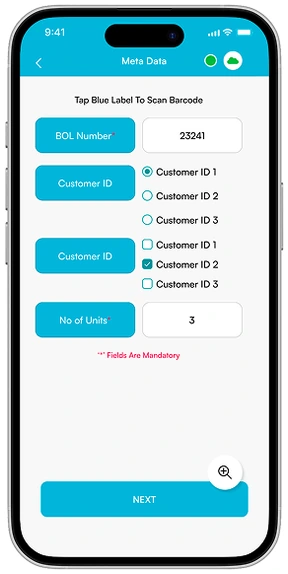
  2. App screen showing BOL number, customer ID and unit count fields filled in before capture

    Fill Metadata

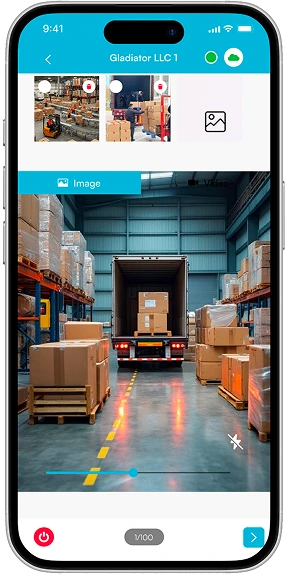
  3. App camera screen photographing a loaded trailer with thumbnails of previous shots

    Capture Image

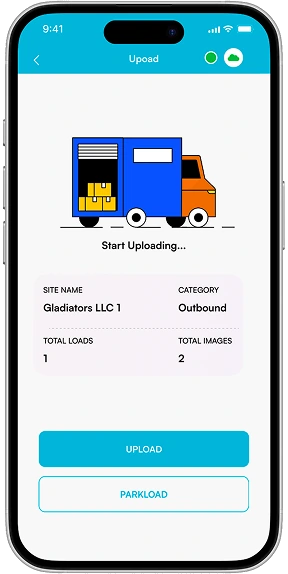
  4. App upload screen summarising site name, category, total loads and total images

    Upload Load