

Load Condition & Chain of Custody Certificate - By LoadProof
How it Works
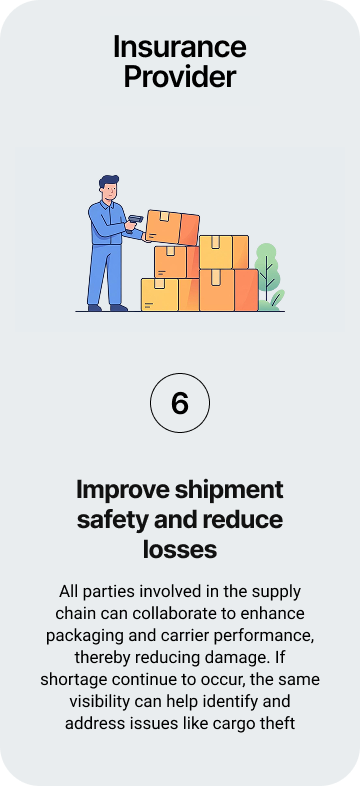
All parties involved in the supply chain can collaborate to optimize packaging and carrier performance, slashing damage and transit losses. With end-to-end visibility, you can also pinpoint the root cause of persistent shortages whether it’s operational errors or cargo theft.

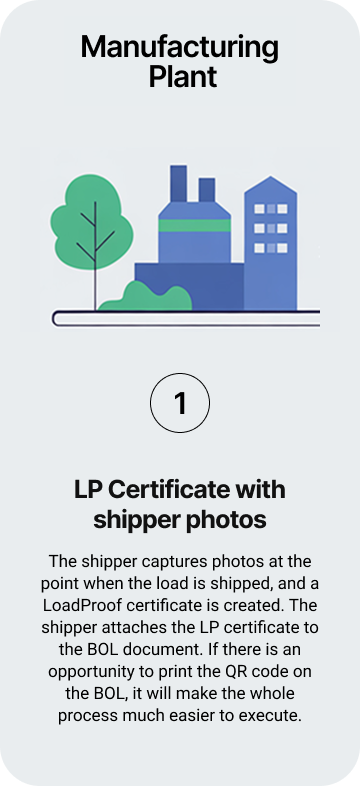
Manufacturing
Plant

LP Certificate with shipper photos
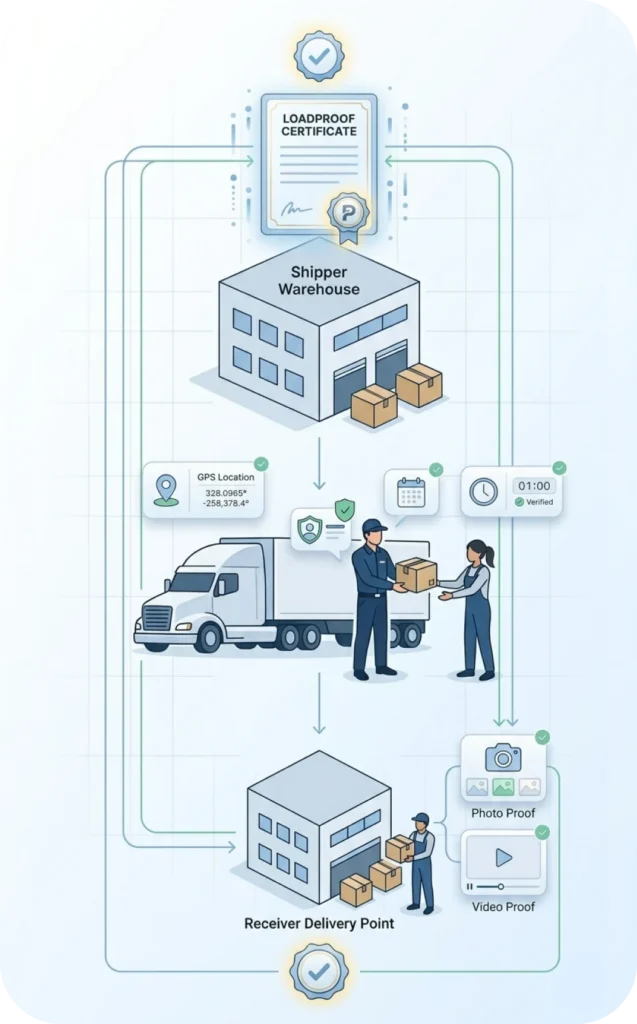
The shipper captures photos at the point when the load is shipped, and a LoadProof certificate is created. The shipper attaches the LP certificate to the BOL document. If there is an opportunity to print the QR code on the BOL, it will make the whole process much easier to execute.

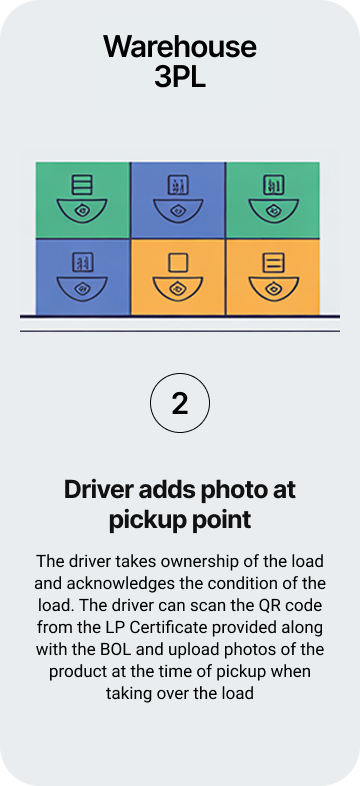
Warehouse
3PL

Driver adds photo at pickup point
The driver takes ownership of the load and acknowledges the condition of the load. The driver can scan the QR code from the LP Certificate provided along with the BOL and upload photos of the product at the time of pickup when taking over the load.

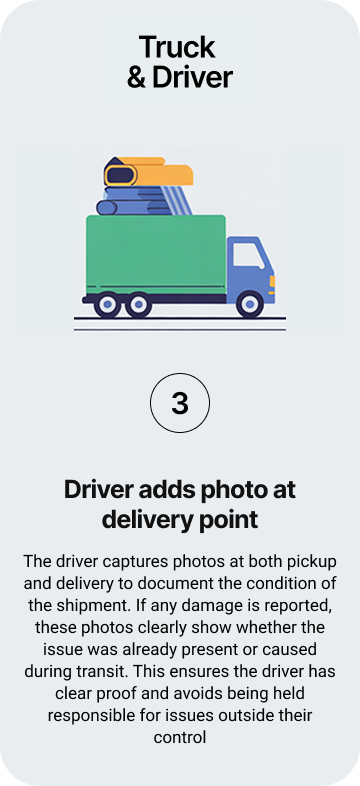
Truck
& Driver

Driver adds photo at pickup point
The driver captures photos at both pickup and delivery to document the condition of the shipment. If any damage is reported, these photos clearly show whether the issue was already present or caused during transit. This ensures the driver has clear proof and avoids being held responsible for issues outside their control.

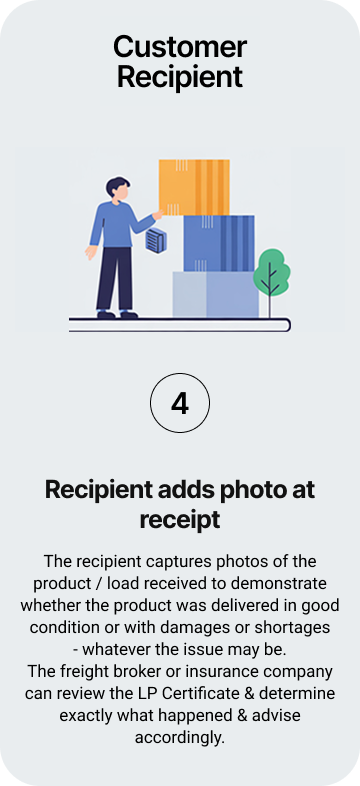
Customer
Recipient

Recipient adds photo at receipt
The recipient captures photos of the product/ load received to demonstrate whether the product was delivered in good condition or with damages or shortages- whatever the issue may be.
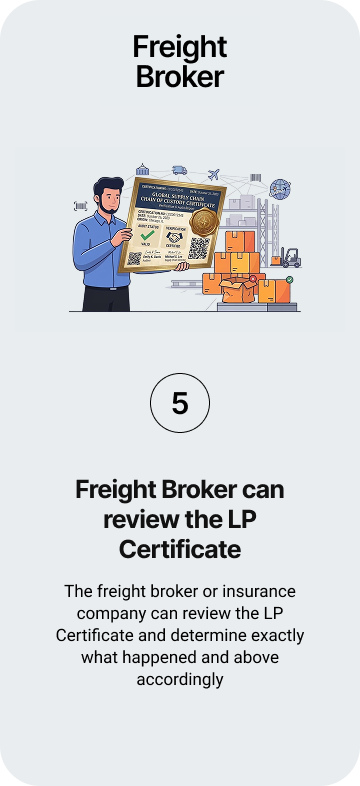
The freight broker or insurance company can review the LP Certificate & determine exactly what happened & advise accordingly.

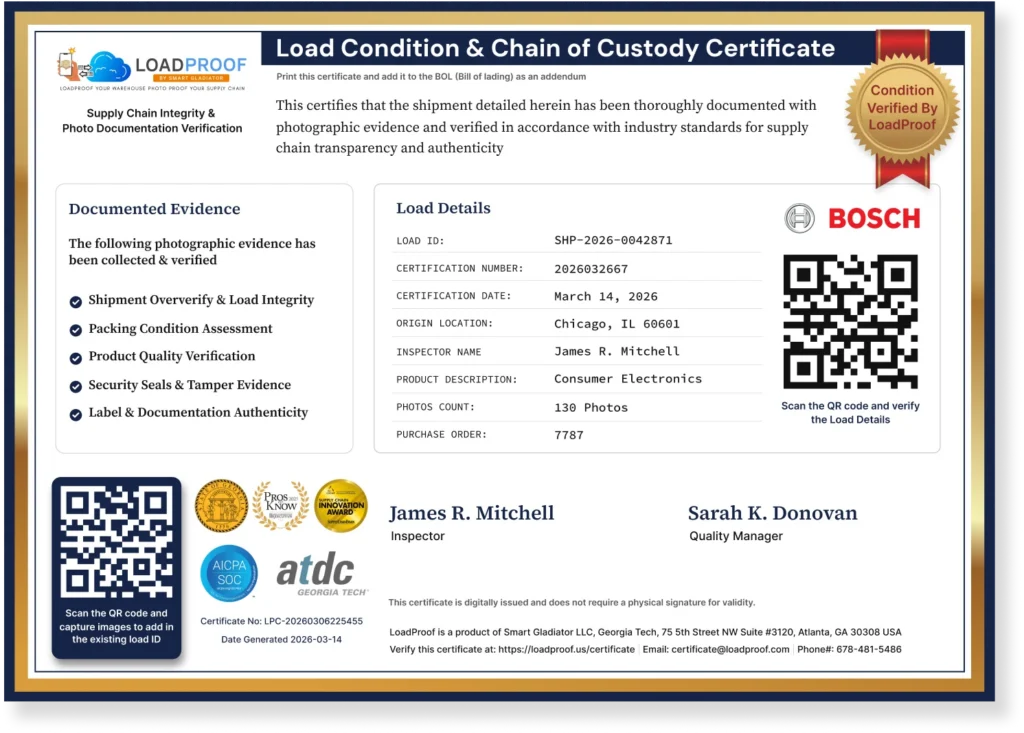
What is a LoadProof Certificate? 

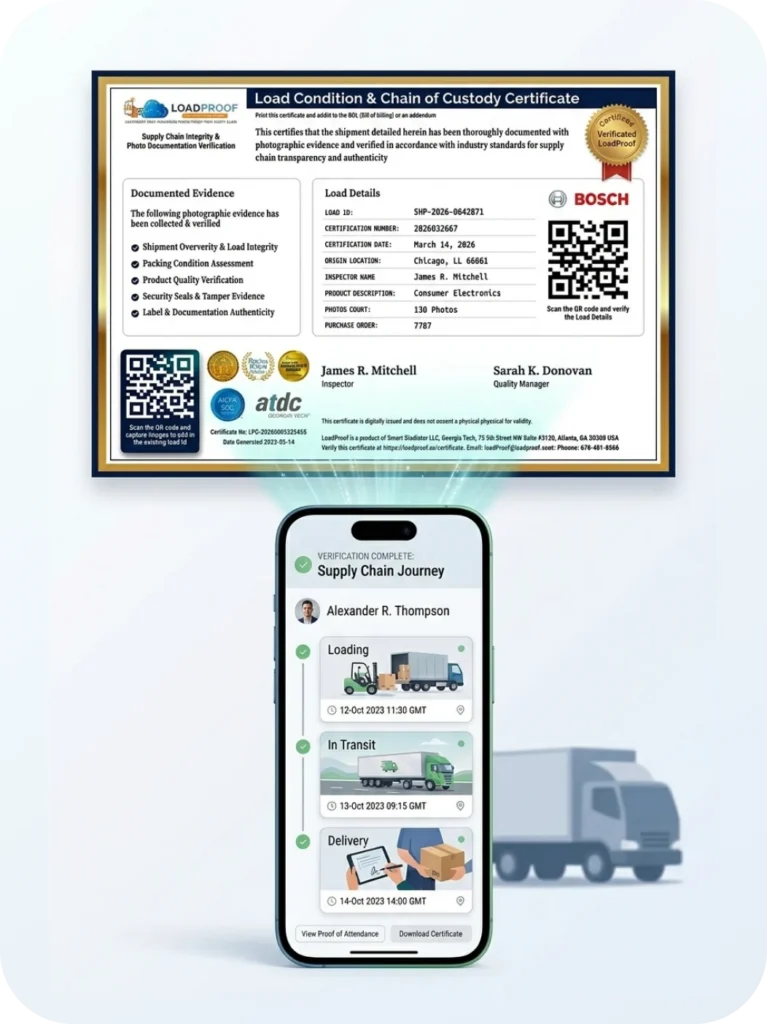
The LoadProof Certificate is a certification document generated from the LoadProof system. It signifies that:
The party generating the certificate is confirming that they performed their role correctly, supported by: 
Photo or video proof of the job perfectly done

a. Date Stamp 
b. Time stamp 
c. User ID stamp
d. GPS stamp

It can apply to any type of supply chain operation, including:

a. Shipper - Shipping the product in perfect condition from their facility.
b. Carrier - Delivering the product in perfect condition to the recipient.
c. Driver – Handing off the product in perfect condition to another driver, truck, or carrier.
d. Any supply Chain operator.

What problem does the LoadProof certificate solve? 

The LoadProof Certificate addresses several key challenges:
It reduces the time required to collect and organise photos from multiple parties by providing a single, centralised location to store all the documentation.
It creates a single system of record where photos from all involved parties are stored and accessible in one place. Any one can enter the certificate number to view all related photos across multiple events. This allows users to clearly see the sequence of events as the product moves from origin to destination, across manufacturers, 3PLs, brokers, carriers, drivers, and receivers. 
It significantly reduces claim processing time. In many cases, up to 50% of claim resolution time is spent simply collecting photos from different parties. With all documentation in one place, teams can quickly identify where issues occurred. 
Any party can scan the QR code or enter the certificate ID to upload and catalog photos into the same system, making claim resolution faster and more transparent. 
Once issues are identified, teams can work together to prevent similar problems in the future.

As a shipper, the LoadProof Certificate provides:

  • Verified proof products shipped in perfect condition.
  • Legal-ready documentation with full team accountability.

As a carrier, you gain:

  • Clear proof of the product condition at pickup.
  • The ability to hold drivers accountable for delivery quality.

As a driver, you get:

  • Clear proof of the product condition at pickup.
  • Protection in cases where packaging or loading was not done properly.

As a receiver, you can:

  • Add receipt photos using a QR code or certificate ID.
  • Verify and compare product condition across shipping stages.

As a freight brokerage, you can:

  • Gain end-to-end visibility into the shipment.
  • Hold carriers accountable for service quality.

As a 3PL, you can:

  • Demonstrate performance and reliability to brands and OEMs.
  • Defend against chargebacks.

As an insurance company, you gain:

  • Access complete visibility into the shipment lifecycle.
  • Make faster, more accurate decisions on claims and liability.

As a shipper, the LoadProof Certificate provides:

  • Verified proof products shipped in perfect condition.
  • Legal-ready documentation with full team accountability.

As a carrier, you gain:

  • Clear proof of the product condition at pickup.
  • The ability to hold drivers accountable for delivery quality.

As a driver, you get:

  • Clear proof of the product condition at pickup.
  • Protection in cases where packaging or loading was not done properly.

As a receiver, you can:

  • Add receipt photos using a QR code or certificate ID.
  • Verify and compare product condition across shipping stages.

As a freight brokerage, you can:

  • Gain end-to-end visibility into the shipment.
  • Hold carriers accountable for service quality.

As a 3PL, you can:

  • Demonstrate performance and reliability to brands and OEMs.
  • Defend against chargebacks.

As an insurance company, you gain:

  • Access complete visibility into the shipment lifecycle.
  • Make faster, more accurate decisions on claims and liability.

Talk to Our Solution Expert

Our team can help configure the right solution for your workflows, facilities, and shipment requirements.

How does it benefit the entire Supply Chain?

The LoadProof Certificate provides a clear, end-to-end view of what happened to a shipment from origin to destination.
With this level of clarity, teams can implement the right solutions & work collaboratively to ensure shipments are delivered in perfect condition. This visibility helps all stakeholders understand the root cause of issues, whether related to:
Packaging (shipper)
Equipment (carrier)
Handling (driver)
Proof of Delivery
Inbound & Outbound Loads