











Proudly Located at the Advanced Tech Dev Center at Georgia Tech
OUR BLOG
Attach Photos of Products Shipped in Perfect Condition with Invoices to Get Paid Faster.

Why Integrated Visual Proof is Essential for Modern Logistics Invoicing

An invoice without proof is often an invoice on hold. In today’s competitive landscape, “uncertainty” is the primary driver of payment delays. If a customer cannot immediately verify that a load was shipped in perfect condition, your invoice will likely sit in a review queue for weeks. Integrating shipment photo documentation directly into the invoicing process solves this by providing instant, visual verification. By linking physical loading data with financial billing, companies are effectively removing the friction that slows down cash flow.

The Problem: Payment Delays from Missing Evidence

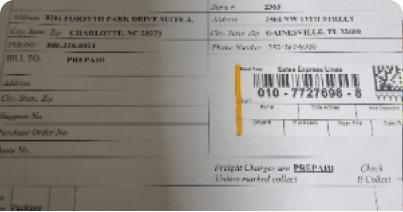
The physical shipment and the financial transaction are tightly linked, yet they are often documented using completely different tools. Operations focuses on moving products, while finance focuses on billing. Standard documents like bills of lading and packing lists describe what should have shipped, but they fail to provide visual proof of condition regarding the freight as it left your facility.
When a consignee eventually reports crushed cartons or a short count, Accounts Payable typically places your invoice on hold. This triggers a time-consuming investigation. Without clear shipment photo documentation, the easiest decision for a customer is to delay or dispute the payment. This slows down cash flow and increases the likelihood of unnecessary chargebacks just to close the file.

The Solution: Invoicing with Integrated Proof

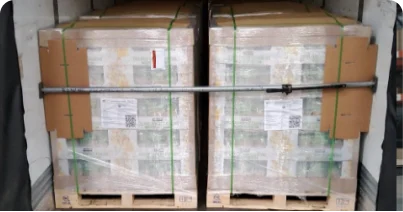
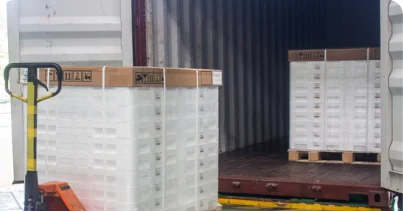
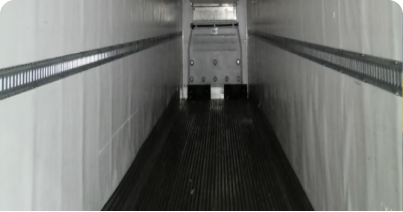
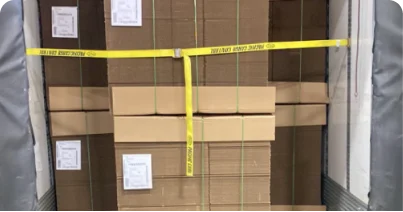
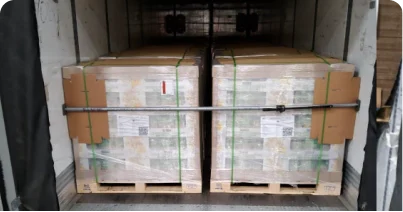
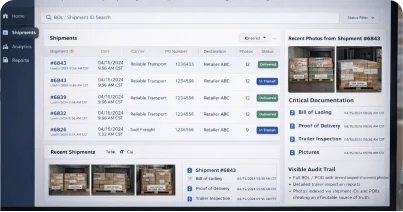
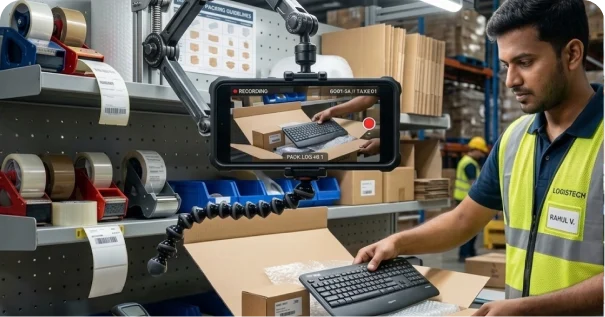
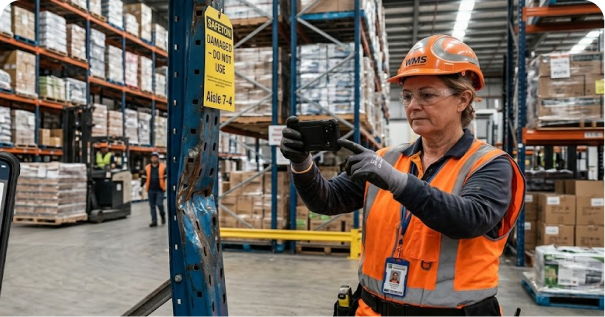
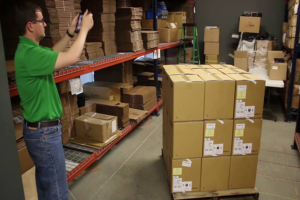
To close this communication gap, you should pair every invoice with a consistent set of photos captured at the time of loading. Before the trailer doors are sealed, your team should document the load. This shipment photo documentation works like an inspection report embedded in the financial transaction.
When these images are included, the customer no longer has to ask for verification. They can see the quality of the outbound freight in seconds. This transparency is the most direct route to achieving faster invoice payments.

Why This Strategy Works

1. Accelerated Cash Flow
When invoices arrive with clear photos, Accounts Payable gains immediate context. They can validate that the shipment left your facility in pristine condition without waiting for internal confirmation. The default behaviour shifts from “hold” to “release,” directly supporting faster invoice payments.
2. Fewer Disputes and Chargebacks
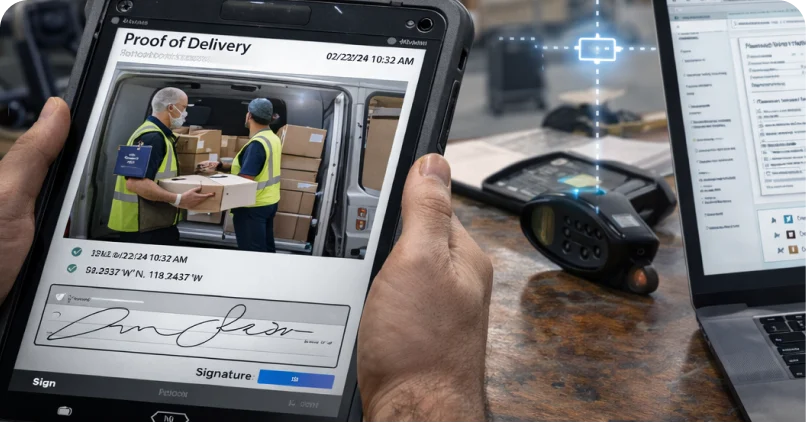
Time-stamped photos provide objective evidence in the event of damage claims. If a receiver raises an issue, you can provide visual proof of condition to show that pallets were upright and intact at the time of tender. This evidence often prevents unwarranted chargebacks.
3. Higher Customer Confidence
Consistent documentation signals that your operation runs on disciplined, transparent processes. When customers see well-loaded trailers attached to their invoices, they develop a high level of trust in your shipping quality. Over time, they are more likely to question carrier handling before assuming your warehouse was at fault.

How to Implement the Process

  • Standardise the Capture: Make taking a photo a mandatory step after the last pallet is positioned.
  • Define a Shot List: A wide trailer view and pallet close-ups are usually sufficient.
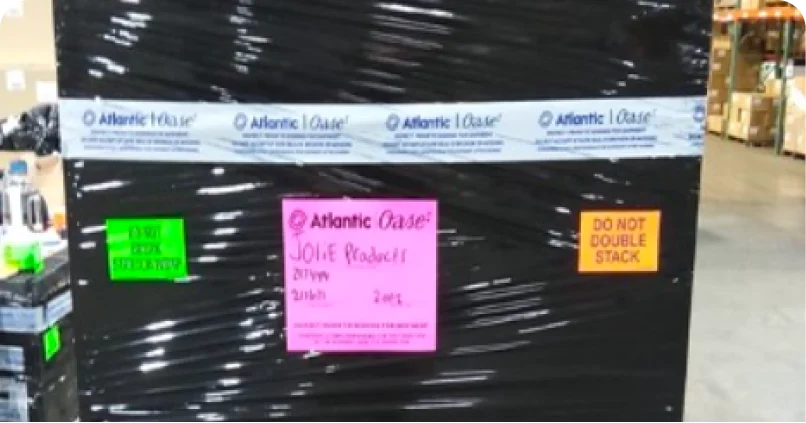
  • Prioritise Clarity: Ensure images are bright and framed to show wrap integrity and labels.
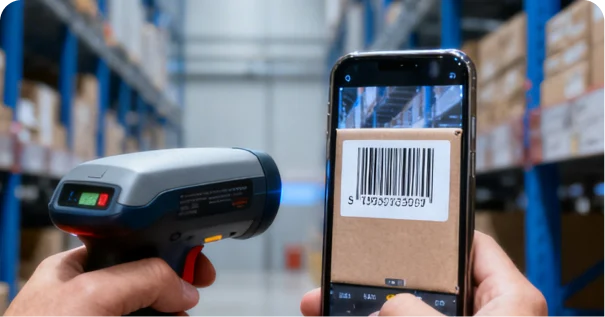
  • Link to IDs: Store shipment photo documentation under a consistent identifier for easy retrieval.
  • Attach Photos to Every Invoice: Send the images as a PDF or a secure link labeled “Load Condition Photos” whenever you bill the customer.

Conclusion

In today’s supply chain, invoices move at the speed of trust. Attaching evidence of products shipped in perfect condition transforms the invoice from a simple request for money into a documented proof of performance. This approach removes uncertainty and enables a more efficient billing cycle for everyone involved.
Share this Article
Dive Deeper