





OUR BLOG
Global Standardized Design across all the sites

Warehouse Process Standardization: 4 Steps to Operational Excellence in Logistics

Every warehouse has its quirks.
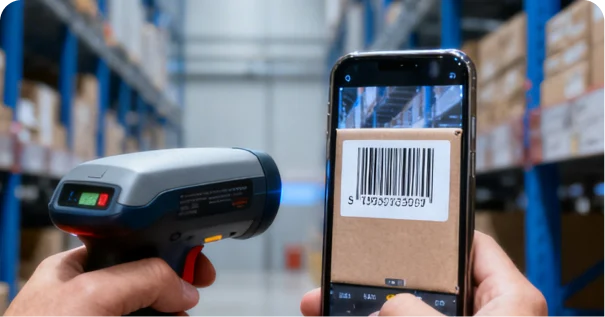
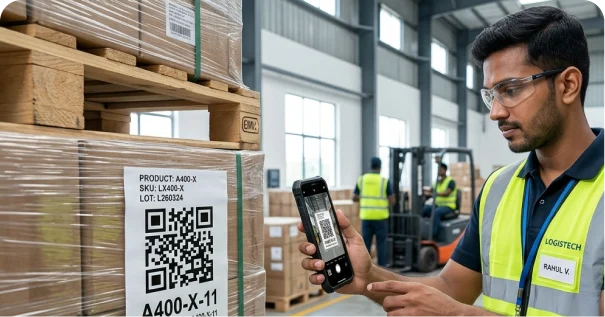
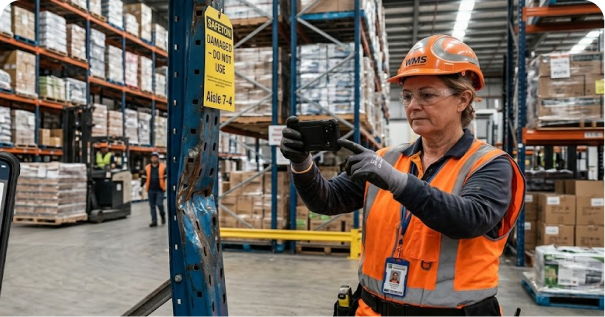
Step into any facility, and you’ll notice it immediately: no two warehouses operate the same way. Even within the same company, processes, layouts, and tools can differ dramatically. One site might have a smooth barcode scanning workflow, while another relies on paper sheets and sticky notes.

The problem? Inconsistency is expensive.

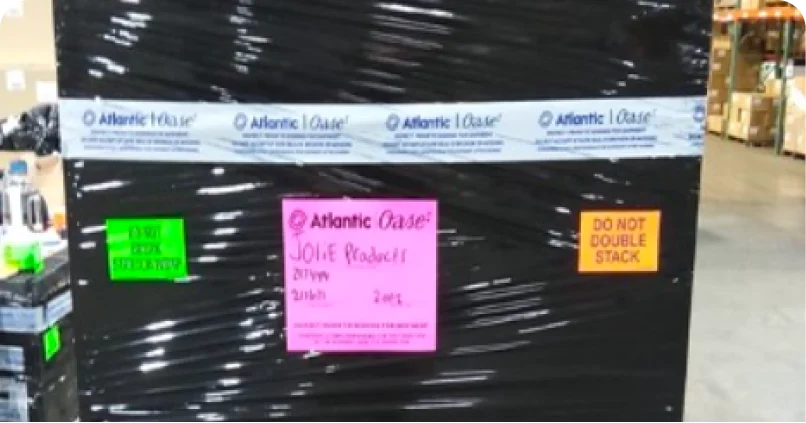
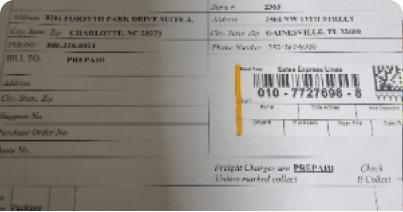
Imagine training a new employee on cold medicine shipments in Atlanta. Everything makes sense, the bins are labeled clearly, the workflow is intuitive, and scanning is straightforward. Then you transfer them to Dallas. Suddenly, labels are in different spots, scanning steps happen out of order, and critical information is elsewhere entirely. Confused? Frustrated? Mistakes happen. Productivity drops, and errors can impact delivery timelines or even compliance.
This is exactly why warehouse process standardization is a supply chain game-changer. Standardized SOPs not only reduce errors but also create a consistent foundation for operational excellence in logistics.

The Benefits of Warehouse Process Standardization

  • Reduces Training Time and Errors: When every facility follows the same processes, onboarding becomes faster. Employees don’t need to relearn procedures when moving between sites. They know where to find tools, how to scan inventory, and how to handle exceptions. Errors caused by guesswork disappear.
  • Improves Operational Efficiency: Standardized processes remove friction. Teams spend less time navigating local quirks, workflows become predictable, and supervisors can manage multiple facilities confidently. The result: smoother operations and more reliable throughput.
  • Simplifies Problem-Solving: When issues arise, like misplaced inventory, delayed shipments, or missing documentation standardized workflows allow teams to pinpoint the root cause quickly. Without standardization, troubleshooting becomes a guessing game.
  • Supports Scalable Growth: As networks expand whether opening new warehouses or scaling existing ones, standardization allows replication rather than reinvention. Every new site can start operations efficiently because the operational blueprint is proven and tested.

How to Start Standardizing Your Warehouse Processes

Step 1: Map Current Processes
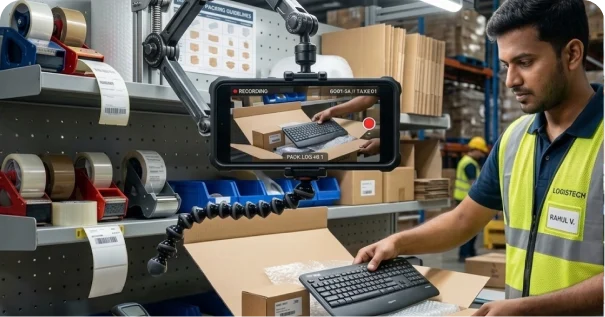
Document how critical operations are performed at each site: receiving, picking, packing, staging, and shipping. Identify differences, redundancies, and inefficiencies.
Step 2: Identify Best Practices
Look for what works best across your network. Maybe one site has a labeling system that reduces errors or a scanning sequence that speeds throughput. Adopt these as part of your standardized design.
Step 3: Develop a Unified
Workflow
 Create a single, documented workflow that applies across all sites. Be explicit about steps, tools, and expected outcomes—but allow minor local adjustments when necessary.
Step 4: Train, Test, Refine
Roll out the standardized process across all facilities. Observe operations, gather feedback, and refine. Warehouse process standardization isn’t about rigidity, it’s about creating a consistent foundation that enables efficiency and operational excellence.

A Practical Tip from the Floor

Think of it like a retail chain: you expect to find the same product in the same place at every store. Warehouse operations should work the same way. Teams should know exactly where to find the right information, pick the right items, and complete tasks efficiently. This reduces frustration, prevents errors, and maximizes throughput.

Takeaway

Small inconsistencies across sites may seem minor, but over time they compound into major inefficiencies. Standardizing warehouse processes and systems isn’t just a best practice, it’s an operational necessity.
Consistency builds confidence.
Confidence drives efficiency.
Efficiency enables scalable growth.
And that’s what keeps modern supply chains running smoothly.
Share this Article
Dive Deeper