



OUR BLOG
Make PODs Part of Your Original Shipment Data

Why Proof of Delivery is a Game-Changer for Warehouse Operations

Every warehouse faces the same core challenge:
Shipping a box from Point A to Point B is the easy part, managing the data that follows is where complexity begins.
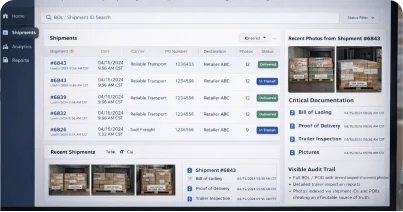
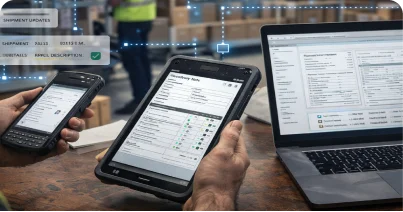
One of the biggest silent killers of efficiency in warehouse operations is a fragmented Proof of Delivery (POD) process. Without a centralised repository for these critical documents, identifying true points of failure becomes nearly impossible. When PODs are treated as part of the original shipment data, documentation shifts from a clerical task to a powerful tool for operational optimization and Freight Dispute Resolution.

A Familiar Scene in Most Warehouses

This scenario plays out daily across global supply chains:
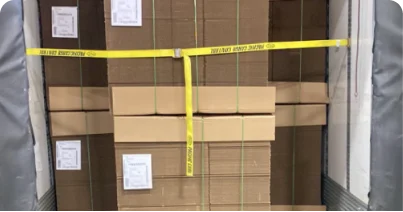
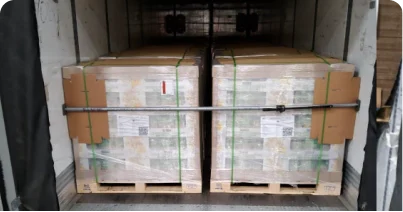
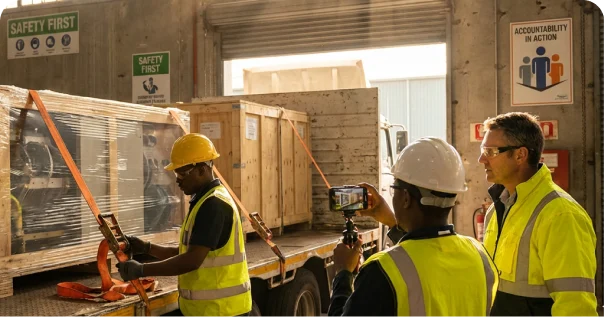
A shipment leaves the dock in perfect condition. Pallets are strapped, temperature requirements are met, and outbound checks are green. Days later, a customer reports missing items or damaged goods.
Internal records show the shipment left in good shape, but there is no immediate proof of what happened at the moment of transfer. Without organised Proof of Delivery documentation, resolving the issue becomes a guessing game. Teams waste hours:
1. Searching through endless email threads.
2. Chasing down carriers for signatures.
3. Hunting for photos stored on individual drivers’ phones.
What should be a simple verification turns into a prolonged Freight Dispute Resolution process that drains time, money, and credibility.

Best Practice: Centralize Proof of Delivery

The most effective way to gain supply chain visibility is to collect all PODs and store them as part of the original shipment record. This creates a structured, repeatable process that delivers several measurable wins:
1. Creates a single source of truth: When signed delivery slips, photos, and supporting documents are stored together, confirming what happened — and when — becomes straightforward. Teams no longer need to piece together information from multiple systems or inboxes.
2. Speeds up claim resolution: Quick access to PODs allows faster responses when questions arise. Clear documentation reduces back-and-forth communication, prevents escalation, and helps preserve relationships with customers and carriers.
3. Identifies true points of failure: Reviewing PODs over time reveals patterns. Damage may occur more often during unloading, on specific routes, or with certain partners. This visibility makes it easier to address root causes instead of reacting to individual incidents.
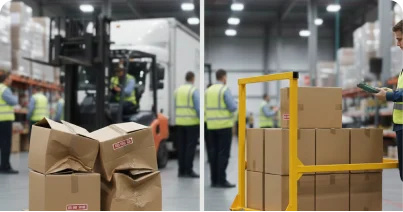
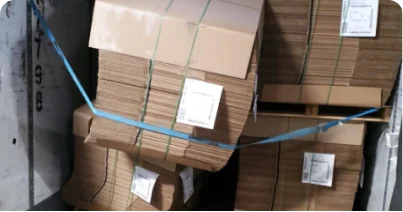
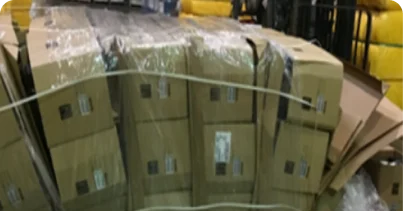
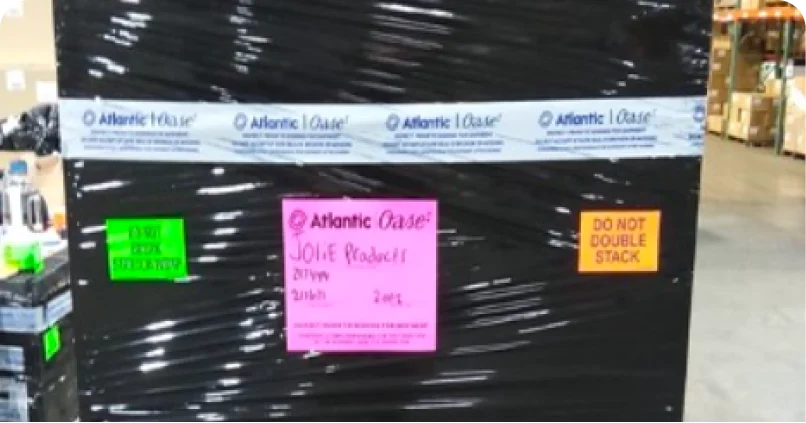
4. Supports smarter packaging and handling decisions: Real-world delivery evidence shows how shipments are actually handled. PODs can highlight crushed cartons, loose straps, or temperature issues, enabling packaging and handling improvements based on facts rather than assumptions.

Making POD Collection Part of the Routine

To turn documentation into a competitive advantage, warehouse operations should follow these four steps:
1. Standardise what qualifies as a POD
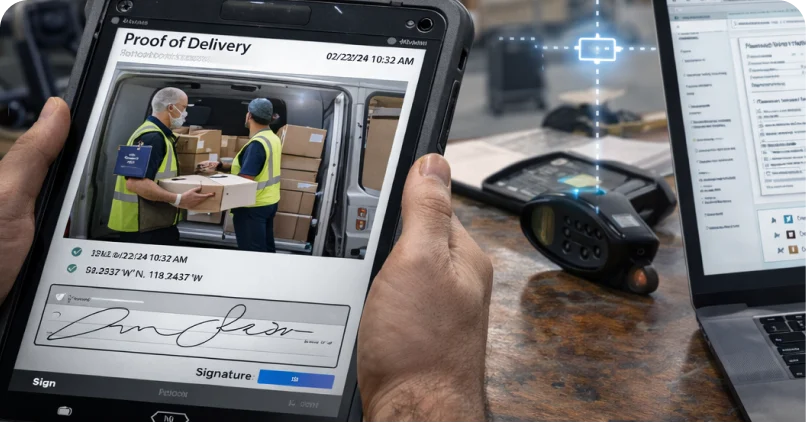
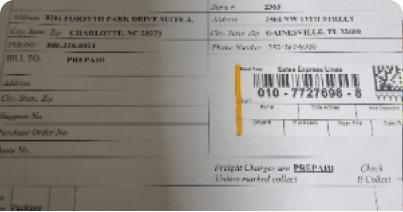
Define clear guidelines for acceptable documentation, such as digital signatures, photos, or scanned delivery slips. Consistency ensures your records are reliable during Freight Dispute Resolution.
2. Include timestamps and locations
PODs that capture time and location add credibility and context, making disputes easier to resolve and audits more efficient.
3. Train operational teams
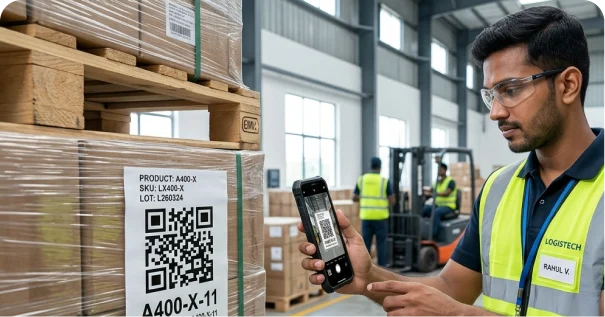
Warehouse staff, drivers, and supervisors all play a role in capturing PODs accurately. Clear expectations and simple workflows help prevent documentation gaps.
4. Review PODs regularly
PODs should not be collected and forgotten. Regular reviews support audits, highlight recurring issues, and inform continuous improvement efforts.

The Practical Win

In modern supply chain management, Supply Chain Visibility acts as your safety net. Centralizing Proof of Delivery does more than just prevent disputes; it supports better decisions, reduces waste, and strengthens accountability. It is a practical operational improvement that delivers measurable value to your warehouse operations without adding unnecessary complexity to your dock.
Share this Article
Dive Deeper