





Proudly Located at the Advanced Tech Dev Center at Georgia Tech
OUR BLOG
Document Milk Run sheet using Photos

Warehouse Documentation Best Practices for Multi-Stop Deliveries

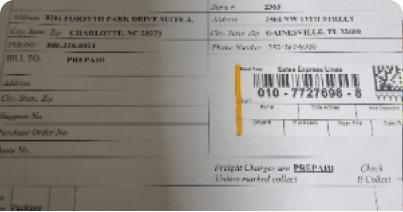
In the world of multi-stop milk runs, operational visibility often vanishes the moment the truck leaves the bay. For many managers, the next eight to ten hours are a “black box” of activity, and the only window back into that reality is a paper manifest that returns at the end of the shift, often riddled with illegible notes, greasy thumbprints, and scribbled-out numbers.
This lack of clarity doesn’t just hurt your bottom line; it creates a culture of frustration. When a customer claims a shipment was short or damaged, and the only defense is a handwritten “17” on a piece of paper, your drivers feel like they are “holding the bag” for mistakes they didn’t make.
Over time, this dynamic doesn’t just hurt margins; it kills morale. The reality is simple: traditional paper records weren’t designed for the speed of modern warehouse documentation best practices.

The Root Problem: Paper Records Without Context

The fundamental issue with paper manifests is that they tell you what was written, not what was seen. They act as a “result” without a “reason.” When a driver arrives at a store and realizes the load doesn’t match the sheet, a manual correction is a “ticking time bomb” for a dispute.
Without context, paper records fail to show:
  • Physical Verification: Exactly how many cases were physically present on the pallet at the moment of the hand-off.
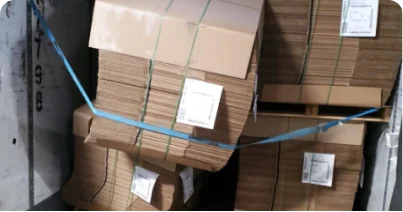
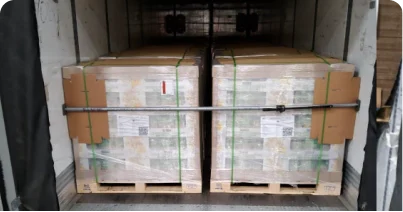
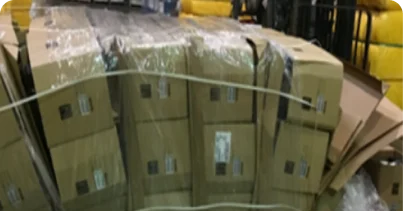
  • Load Integrity: Whether the shrink wrap was intact and secure when the pallet hit the store’s receiving dock.
  • Arrival Condition: The actual state of the product—proving, for example, that a gallon of milk wasn’t leaking when it was delivered.
When this context is missing, disputes and retail chargebacks fill the gap. Without digital delivery proof, the warehouse almost always eats the cost.

Digital Receipts: Replacing Assumptions with Visual Evidence at the Dock

To protect your margins and reduce logistics disputes, it is time to move from manual notes to digital evidence. Here is how to turn every store delivery into an airtight record using the core pillars of supply chain accountability.
1. Document the “Why” Behind the Change
When a driver arrives at a store and realises the manifest doesn’t match the physical load, a handwritten note only tells half the story. It tells you the result, but not the reason.
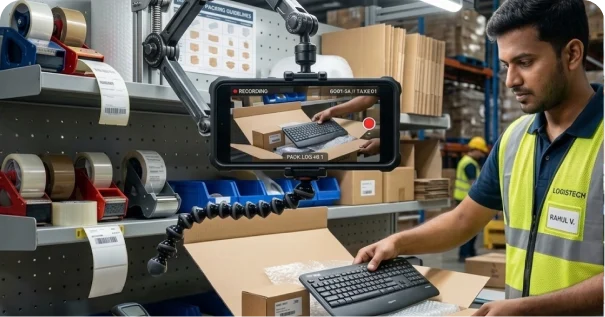
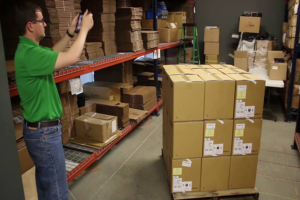
  • The Best Practice: If a case count is adjusted (like that “19” to “17” on your sheet), take a photo of the actual cases sitting on the pallet at that specific stop.
  • The Evidence: A photo showing exactly 17 cases proves that the adjustment was accurate at the time of hand-off.
  • The Result: It eliminates the “he-said, she-said” during the end-of-month reconciliation.
2. Capture the “Transfer of Responsibility”
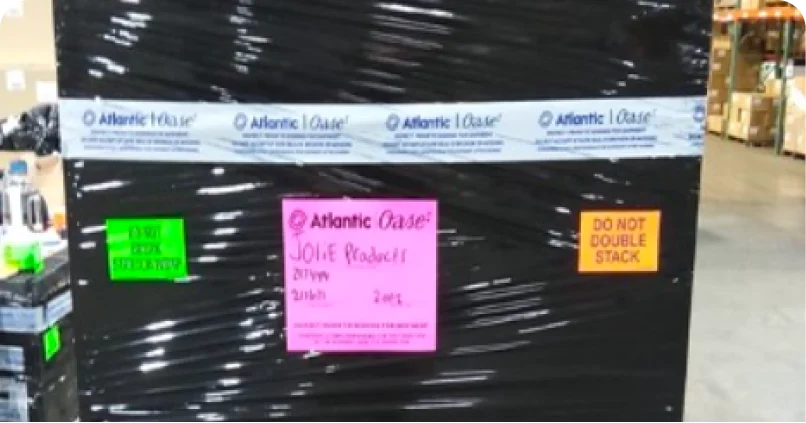
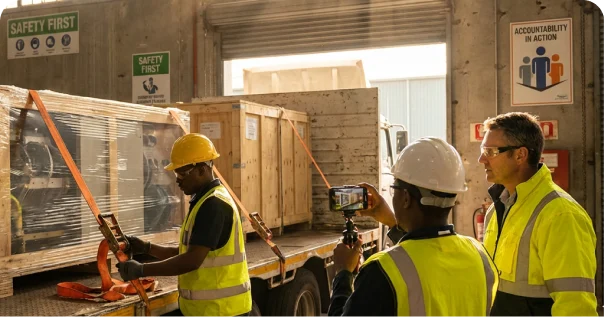
The moment a pallet leaves the truck and hits the store’s receiving dock, the liability shifts. If a gallon of milk is punctured ten minutes after your driver leaves, without proof, your warehouse is likely going to eat that cost.
  • The Best Practice: Standardise a “Dock-Shot” for every stop.
  • Condition Check: Capture the pallet as it stands on the store dock. This proves the wrap was intact and the product was upright and leak-free upon delivery.
  • Proximity: Ensure the photo shows enough of the store’s background to confirm the location. This provides a geographical “anchor” for your milk run tracking.
3. Make the Smartphone Your Most Powerful Tool
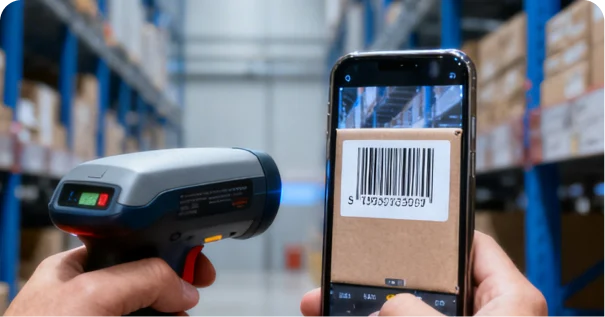
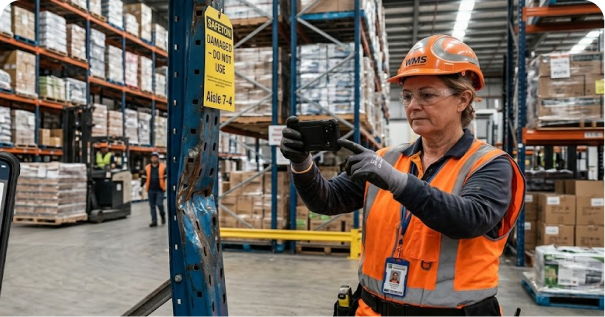
We often think better documentation requires complex scanners or new hardware. In reality, your drivers are already carrying the solution in their pockets.
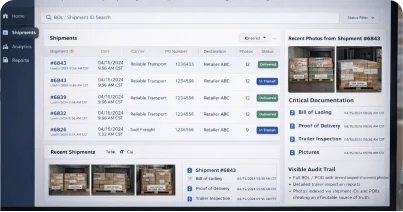
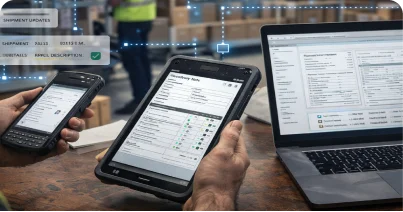
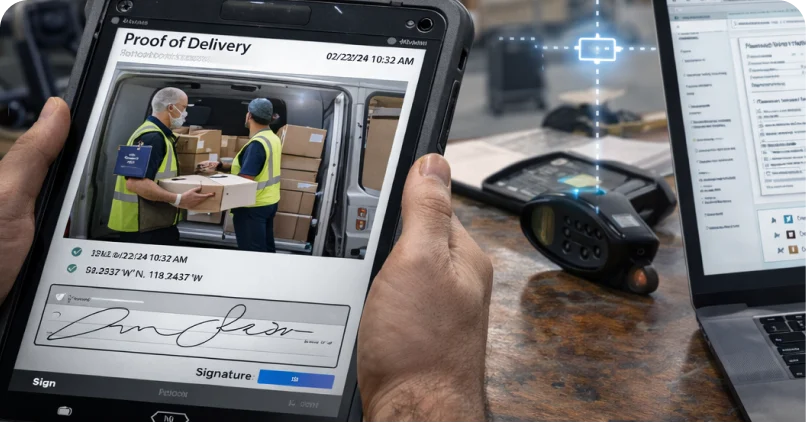
  • The Best Practice: Stop letting photos “live” in a driver’s private text messages or gallery. Use a centralized, cloud-based approach where every photo is automatically tagged with:
  • Timestamp & GPS: Proving exactly when and where the delivery happened.
  • Reference Numbers: Linking the image directly to the invoice or manifest number. This ensures that when an auditor asks about a delivery from three months ago, you aren’t digging through a stack of old paper manifests.

Facts Over Friction

Documentation isn’t just about catching mistakes; it’s about providing clarity for your team and your customers. By backing up those handwritten manifests with real-time visual proof, you replace friction with facts.
Start small. This week, ask your team to take just one photo of any “adjusted” load. You’ll be surprised how quickly the “missing case” disputes start to disappear when you have the truth in a snap.
Share this Article
Dive Deeper