








Proudly Located at the Advanced Tech Dev Center at Georgia Tech
OUR BLOG
Increase Customer Satisfaction by Giving Customers Direct Access to Shipment Photos

Stop Playing Defence: How Logistics Transparency Ends the Shipping Blame Game

Why Giving Customers the "Keys" to Your Dock Data Changes Everything

Shipping speed and accuracy are the two traditional pillars of logistics. But there’s a third pillar we don’t talk about enough: Confidence.
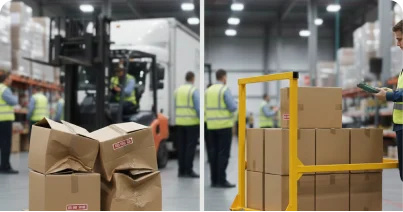
Anyone managing outbound operations has lived this scenario: A shipment leaves the dock in perfect condition. Days later, a customer calls with concerns after a retailer reports damage and applies a heavy deduction. Now, the “Blame Game” begins. The customer blames the warehouse, the warehouse blames the carrier, and the carrier points back at the packaging.
After years of seeing this cycle repeat, much of the stress stems from a lack of shipment visibility, both when freight leaves the dock and when it arrives.  We’ve been treating warehouse dock data like a proprietary secret, but the real best practice is to do the exact opposite: Give the customer direct access to the proof.

How Logistics Transparency Reduces Follow-Up Calls

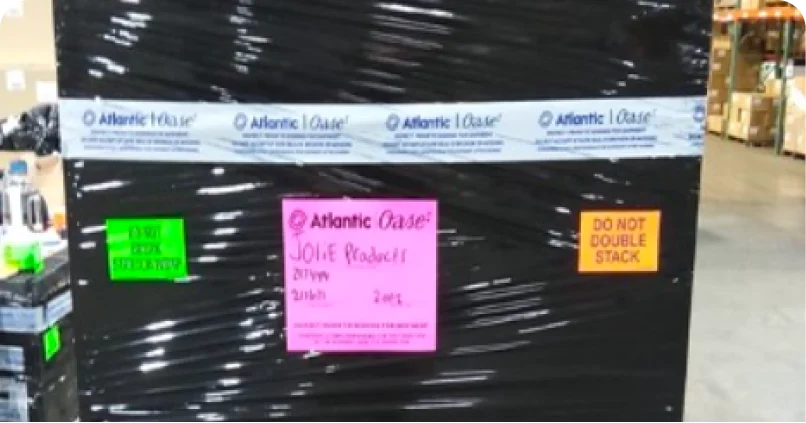
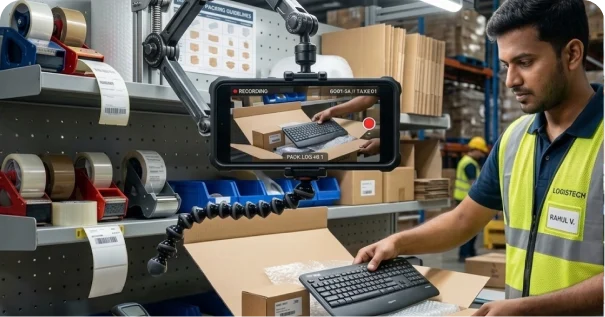
In many operations, shipment documentation exists, but access to it is limited. Photos are stored internally, retrieved only when requested, and shared reactively, whether the question is “What condition did it leave in?” or “What condition did it arrive in?”
This creates the same downstream problems:
1. Administrative drain: Supervisors spend time answering status, condition, and discrepancy emails.
2. Delayed resolutions: By the time photos are found and shared, deductions or claims are already in motion.
3. Relationship friction: Every request for proof reinforces uncertainty around freight condition

True logistics transparency isn’t just about taking photos. It’s about where those photos live and who can see them. When customers and partners can independently view shipment images at departure or receipt, you aren’t just sharing documentation, you’re aligning everyone around the same objective reference point.
Whether a dispute starts at shipping or receiving, visibility removes the guesswork and shortens the path to resolution.

A More Effective Approach: Self-Service Shipment Proof

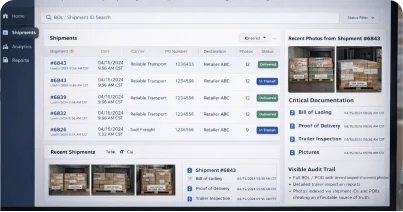
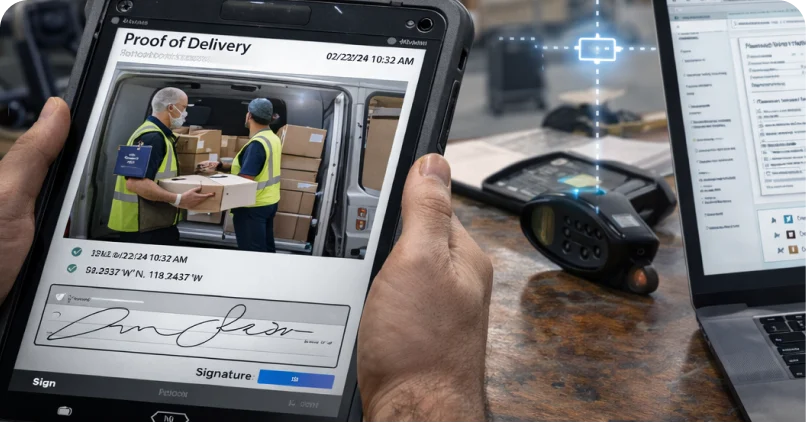
The goal of increasing shipment visibility is to eliminate guesswork and shorten the path to resolution. When customers can log in and view shipment photos on their own, the result goes beyond sharing images, it provides clarity, confidence, and peace of mind.
This approach is not about assigning blame; it is about using warehouse dock data to align all parties around an objective reference point: what the shipment looked like at the moment it left the dock.
When customers are empowered to independently view their shipments, several positive changes follow:
1. Drastically Reduce Inquiry Volume
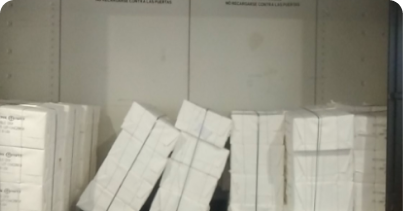
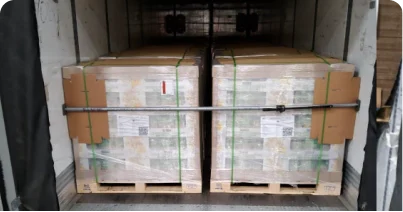
Instead of calling to ask how a load was shipped, customers can quickly verify pallet condition, configuration, and securement themselves. This self-service model is the most effective way to reduce inquiry volume, allowing warehouse teams to stay focused on execution rather than customer service.
2. Stronger Position During Claims and Deductions
Retailer deductions often move quickly. When customers have immediate access to shipment photos, they can respond with confidence and clarity—sometimes preventing unnecessary losses before they escalate.
3. Built-In Quality Reinforcement
When the warehouse dock data is visible to customers, it naturally reinforces consistency on the dock. Teams know that final conditions are clearly recorded, which supports a “right the first time” culture without adding extra oversight.

Making Direct Access Work Operationally 

Providing customer access to increase shipment visibility doesn’t require complex systems, but it does require structure:
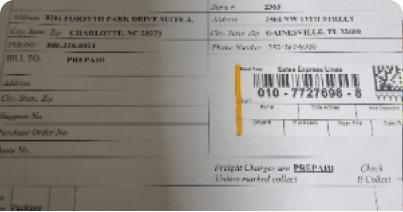
  1. Organise documentation by shipment identity (customer name, BOL, or shipment ID), not by date
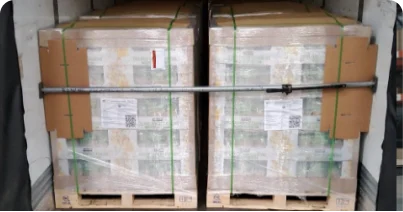
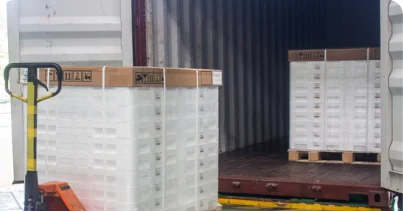
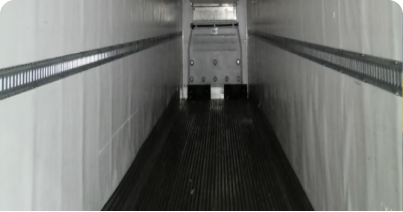
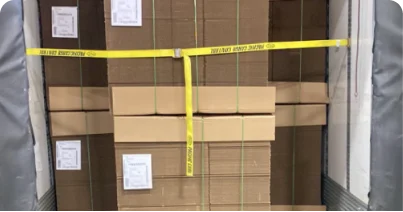
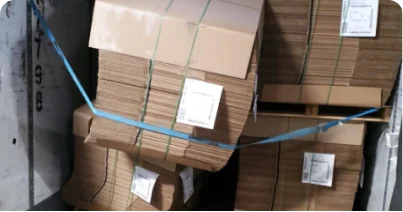
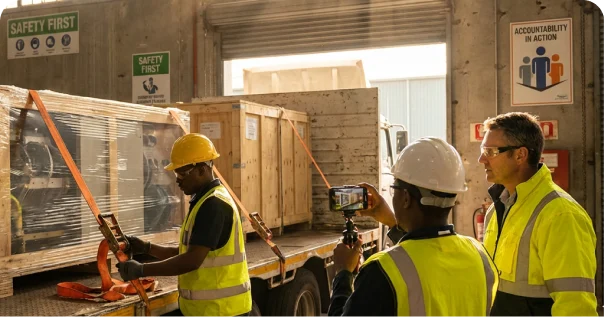
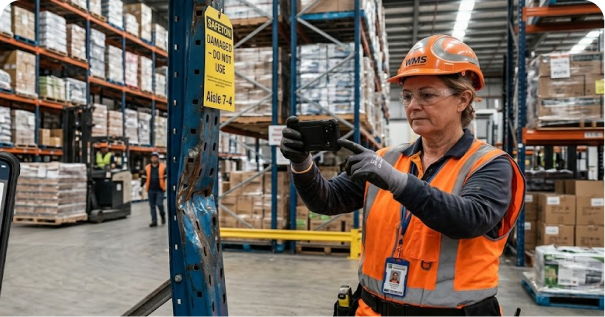
  2. Capture meaningful images, including load securement inside the trailer—not just individual cartons
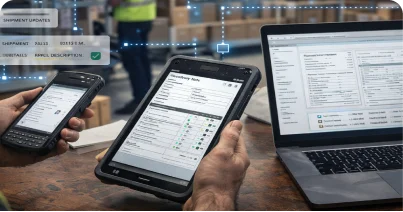
  3. Create a simple access point, such as a secure portal or shared directory customers can bookmark
The goal is not volume, but clarity and retrievability.

Final Thought

The supply chain is entering an era where “trust me” is no longer a viable business strategy. Logistics transparency has become the new currency. Providing customers with direct access to shipment photos reduces inquiry volume while positioning operations as trusted, indispensable partners in long-term success.
Stop being the middleman for your own data. Open the door, share the proof, and watch your customer satisfaction scores, and both satisfaction scores and dock efficiency reach new highs.
Share this Article
Dive Deeper