









OUR BLOG
 LoadProof Extend

Multi-Point Photo Documentation: Visual Audit Trail for Logistics Risk Management

In operations, the same frustrating story plays out again and again: “The product arrived damaged.”
The immediate question is, “Whose fault was it?”
Was the damage due to improper loading? Did it occur at a cross-dock? Or was it due to the driver’s handling during final-mile delivery? Without clear evidence, the answer is a costly guess that usually places the liability back on the shipper by default.
One single point of departure photo documentation no longer provides the protection required from today’s supply chain. It’s not just about the physical damage; it’s about the accountability gap between your loading dock and the POD.
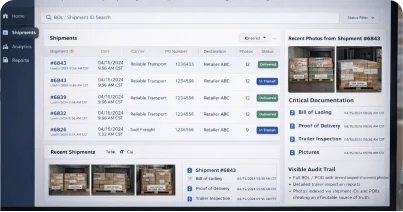
The only way to meaningfully reduce risk and resolve disputes quickly is to move beyond isolated checkpoints to a continuous visual audit trail, a structured approach based on Multi-Point Photo Documentation.

The Critical Challenge: Proving Condition on the Road

A single shipment may touch four or five different hands before it reaches the customer. Each handoff—from your loading crew to the cross-dock team—represents a potential point of failure.
When damage happens, the existing environment does not have supply chain visibility to identify who is at fault. That “liability gap” results in very serious implications: dispute resolution grinds to a crawl as parties debate; the shipper often endures chargebacks that are unfair; and your people waste precious time hunting down paper trails instead of tending to warehouse operations.

The Solution: Implementing a Continuous Visual Audit Trail

The best way to handle the liability for damages is to make photo capture easy, mandatory, and immediate for all parties involved. This is done by simply linking the shipment to evidence using basic and accessible digital means, turning your documentation into undeniable proof of delivery documentation.
1. Zero-Friction Photo Capture: The QR Code Strategy
The first step is removing all friction for those who need to submit proof, especially the drivers and third-party associates who aren’t full users of the system.
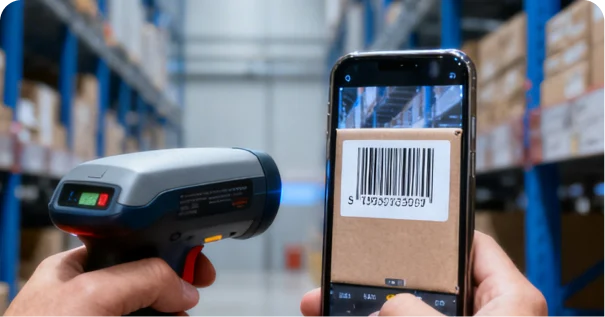
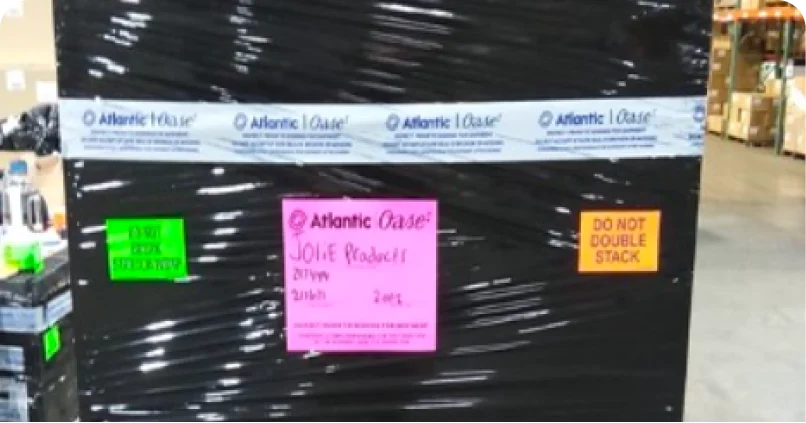
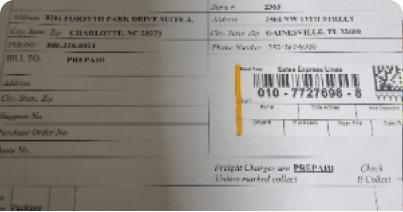
The most effective method is applying a unique QR Code Label to each load or pallet. This code acts as the shipment’s digital ID, making the photo process instant and mandatory.
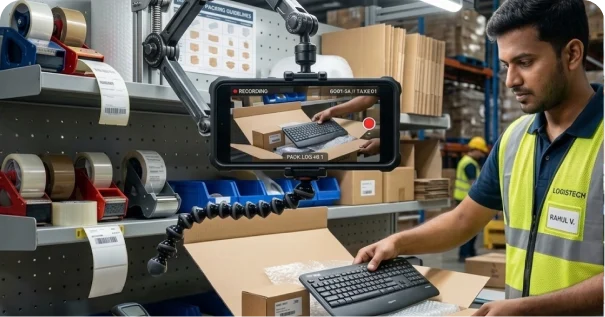
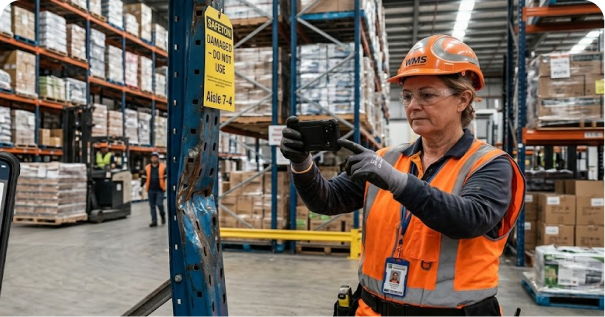
  • The Action: To process the load, an associate simply has to scan a QR code using their standard mobile device—no app download or log-in required. This populates instantly into a simplified web-based form that is linked directly to that shipment record. They take the necessary photos (freight condition, seal check, etc.) and submit them in seconds.
That digital simplicity means instant accountability and extends your supply chain visibility.
2. Mandate Multi-Point Photo Documentation
You must enforce the visual checkpoints beyond your facility’s exit ramp to effectively close the liability gap and strengthen your defense against damage claims. By leveraging that QR code load tracking system, you create a clean, verifiable chain of custody for every single item.
Here’s how this best practice works across multiple handoffs, creating a complete visual audit trail:
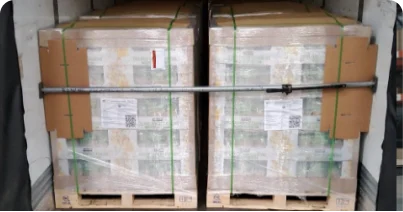
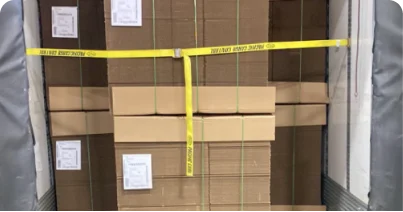
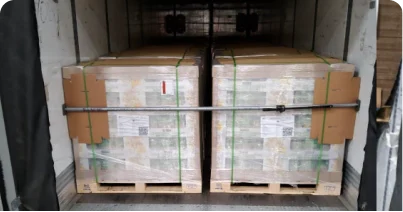
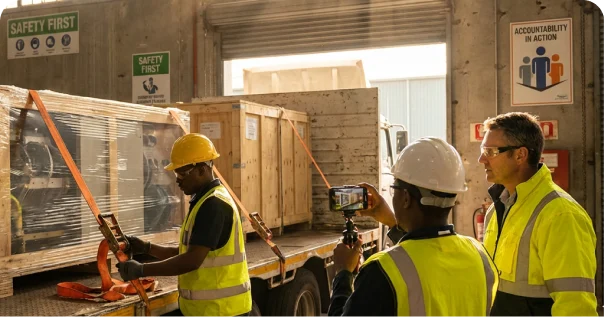
  • At Departure: The Warehouse Team needs to scan the load’s QR code and send photos of the secured load and the trailer seal number. This proves the condition before it leaves your control.
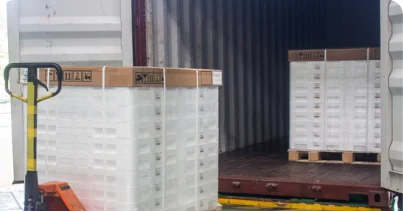
  • At Cross-Dock/Transfer: The receiving team must scan the code and submit photos to confirm the condition upon arrival and again when it departs. This is paramount for establishing liability in the case of transloading.
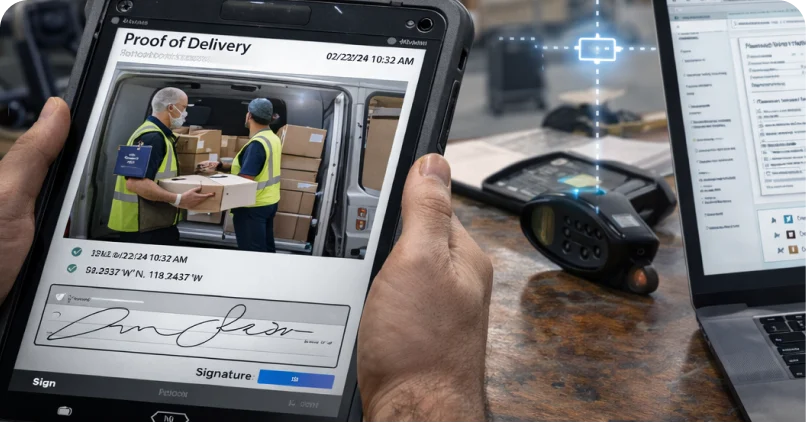
  • Arrival/Drop-off: The Delivery Driver needs to scan the code one more time in order to capture the last POD photograph of the freight at its destination. This provides undeniable proof of delivery documentation upon customer receipt.

The Power of Immediate Accountability

In other words, by setting a digital label and requiring photo submissions at various times, you immediately build a traceable, timestamped visual record of every mile the freight travels.
This is where the visual audit trail becomes so critical, as it quickly turns muddled disputes into objective reviews of evidence. You drastically improve logistics risk management, protect your brand reputation, and effectively ensure chargeback prevention. It’s the single most actionable way to move from managing claims to preventing them.
Share this Article
Dive Deeper