









OUR BLOG
Automatic Alerts are sent to your MHE maintenance partner when you found out that your MHE needs maintenance when you perform your audits.

How to Prevent Equipment Failure with Automated Alerts?

A broken machine in a warehouse is more than a maintenance issue, it directly impacts profitability. When a critical piece of equipment fails, the clock starts ticking immediately. The impact goes beyond one idle unit. Shipments get delayed, productivity drops, employees become frustrated, and safety risks increase as teams try to work around the problem.
Most facilities understand the importance of quick repairs. However, the real challenge is not recognizing the problem, it is responding fast enough. Many operations still rely on processes that do not match the speed and complexity of today’s supply chain.
In many facilities, equipment issues are reported using paper forms, verbal handovers, or emails. These methods take time, and sometimes the message sits in someone’s inbox for hours before it is seen. By the time maintenance is informed, a small issue may have already grown into a serious equipment failure, leading to longer downtime and higher repair costs.

The Problem with Manual Reporting

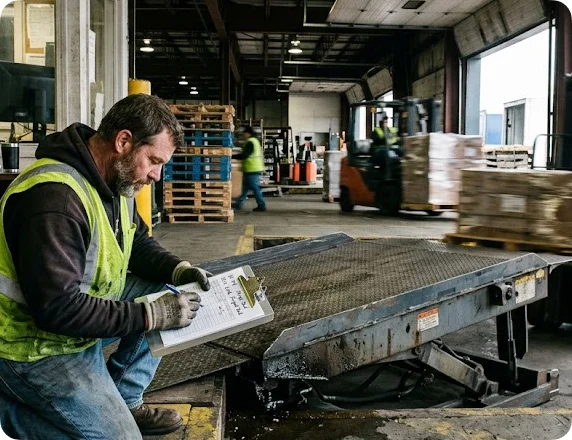
Relying on manual audits creates what industry experts call “information lag.” Imagine a worker performing a daily check on a dock leveler. They notice a hydraulic leak or a frayed seal and write it down on a clipboard. That clipboard might travel to a supervisor’s desk, sit through a lunch break, and eventually get typed into a computer.
This delay is dangerous. In a high-traffic environment, that dock leveler might be used dozens of times before the maintenance partner even knows there is an issue. This creates a cycle of reactive maintenance where the facility is always playing catch-up, fixing disasters rather than preventing them.

The Power of the Automated Alert

The solution to this delay is a digital-first approach to facility inspections. This strategy changes the workflow from a slow, manual chain of events into a lightning-fast digital process. The core of this idea is the automated alert.
When a staff member performs a digital audit and spots a defect, the process follows three simple, high-impact steps:
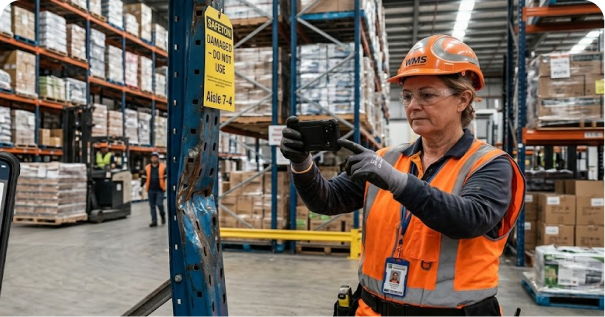
1. Visual Documentation: The auditor captures a high-resolution photo of the specific part that needs attention.
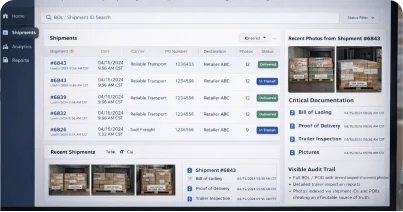
2. Instant Notification: As soon as the audit is saved, an automated alert is sent directly to the designated maintenance vendor. This email includes the photo, the location of the machine, and the specific details of the fault.
3. Rapid Quote and Approval: Because the vendor has digital documentation of the problem, they don’t have to spend time driving to the site just to see what’s wrong. They can provide an accurate quote for the repair or maintenance immediately.
Once the quote is approved, the fix is scheduled. This removes hours, or even days, of back-and-forth communication, ensuring that the machine is back in service as quickly as possible.

Why Visual Intelligence Matters

A photo is often more valuable than a written description. If a technician is told a machine is “making a noise,” they have to show up with every tool in their kit, often wasting time on a diagnostic visit. If they receive digital documentation showing a cracked bracket or a leaking hose, they can arrive with the specific parts needed for a first-time fix. This reduces the number of trips a vendor has to make, which directly lowers the total cost of maintenance.
Furthermore, these digital records create a history for every asset. Over time, these records help managers see patterns. If one specific dock leveler is suffering from frequent equipment failure, the data will show it. This makes it easier to decide when to stop repairing an old machine and when it is time to invest in a replacement.

A Safer, More Reliable Workplace

Safety is a natural byproduct of a fast maintenance system. When employees know that their reports lead to immediate action, they become more diligent during their audits. An automated alert system ensures that high-priority safety defects receive urgent attention before an accident can happen.
By moving away from paper-based systems and implementing instant digital alerts, a facility transforms its maintenance from a slow, reactive chore into a strategic advantage. It keeps the floor moving, keeps the budget on track, and ensures that every piece of equipment is ready to perform when it is needed most.
Share this Article
Dive Deeper