












OUR BLOG
Document condition of building before and after Move in/out

Tenant Move-In and Move-Out Inspections: What to Document and Why

Managing industrial properties goes far beyond leasing space. Every tenant transition carries risk, especially when there’s no clear record of the facility’s condition at move-in and move-out. Hence, Having clear records of the facility’s condition becomes essential.
A well-documented facility condition report helps prevent disputes, protects both parties, and keeps tenant transitions on schedule. Whether you’re onboarding a new tenant or conducting a tenant move-out inspection, having clear visual records can save time, money, and unnecessary friction.

Why warehouse condition documentation is necessary

Without detailed documentation, disagreements over damages, repairs, or responsibility can escalate quickly. What starts as a simple question about floor damage or dock wear can turn into prolonged disputes or legal action.
Consistent documentation of warehouse conditions provides a clear, unbiased record of the building’s condition. For industrial property management teams, this means:
  • Clear accountability between owners and tenants.
  • Faster, smoother tenant move-out inspections.
  • Quicker security deposit decisions.
  • Fewer delays between tenants.
In short, warehouse condition documentation isn’t just paperwork; it’s a strategic tool that protects your investment.

How to Document Warehouse Conditions Effectively

1. Capture High-Quality Photos at Move-In and Move-Out
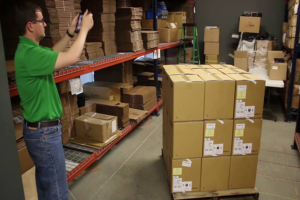
Start by taking wide-angle photos of the entire facility, including entrances, interior spaces, floors, walls, and ceilings. These images establish a baseline at move-in and provide a direct comparison during move-out.
2. Pay Special Attention to Entry
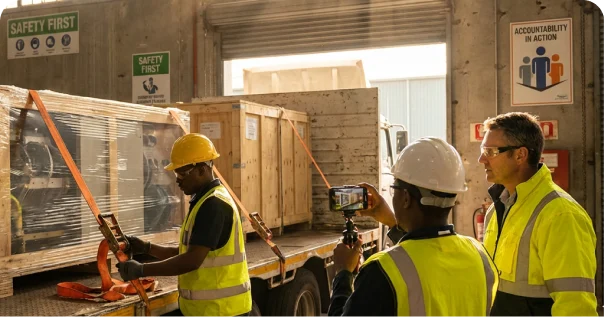
Points and Loading Docks Doors, dock levelers, roll-up doors, and emergency exits experience heavy use. Photograph each entry point from multiple angles and note any existing dents, wear, or operational issues. During a tenant move-out inspection, these photos help determine whether damage is normal wear or occurred during tenancy.
3. Document Utilities and Safety Systems
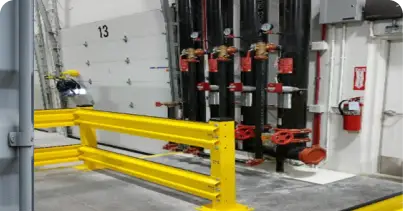
Warehouses rely on critical infrastructure, including fire suppression systems, electrical panels, lighting, and HVAC units. These should always be included in the facility condition report. Photos taken at move-in and move-out help confirm operational status and code compliance at the time of transfer.
4. Use a Standardized Checklist
  • Photos are most effective when paired with a consistent checklist. Strong industrial property management practices include documenting:
  • Floor condition (cracks, stains, or damage).
  • Walls and ceiling integrity.
  • Mechanical, electrical, and plumbing systems.
  • Safety signage and emergency equipment.
Using the same checklist for every inspection ensures consistency across properties and tenants.

Maintain Legal and Digital Integrity

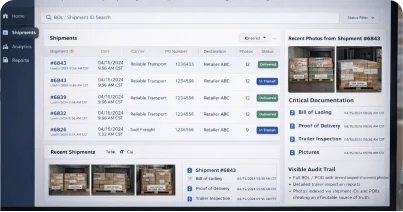
For warehouse condition documentation to hold up during disputes, every photo must be date- and time-stamped. This removes ambiguity about when inspections occurred. All records should be stored in a secure, cloud-based system. Digitizing tenant move-in and move-out inspection data ensures quick access, easy sharing, and eliminates the risk of lost paperwork.

The Key Takeaway: Faster Turnovers, Fewer Disputes

Consistently recording facility conditions makes tenant transitions easier to manage. With clear before-and-after records in place, disputes decrease, move-outs happen faster, and property management teams maintain better control of their facilities It’s a simple practice that prevents expensive misunderstandings.
Share this Article
Dive Deeper