










Proudly Located at the Advanced Tech Dev Center at Georgia Tech
OUR BLOG
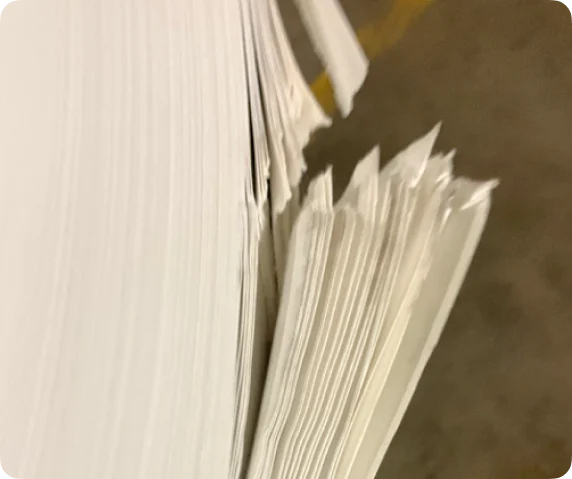
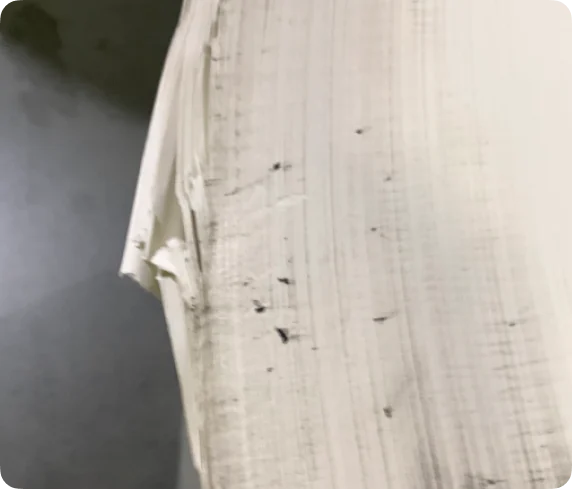
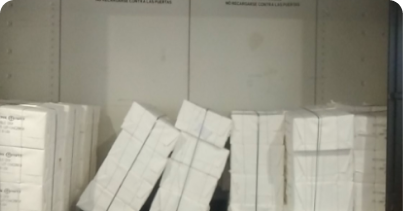
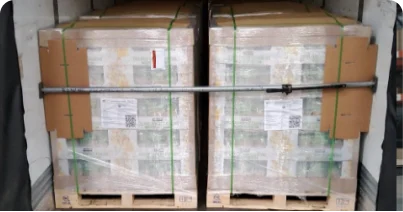
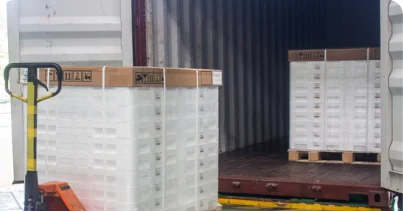
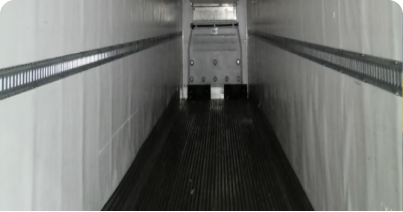
Document damage with before and after photos; measure in inches for better management.

How to Document Rail Shipment Damage and Strengthen Your Claims

Rail transportation is often chosen for its cost efficiency and ability to move large volumes. But when damage shows up at the destination, it creates a familiar problem: disputes with rail carriers, delayed resolutions, and losses that are difficult to recover.
Many damage claims fail not because the damage didn’t happen, but because rail shipment damage documentation was incomplete or inconsistent. One simple best practice can significantly improve outcomes: photographing damage before and after transit, and measuring it in inches.

Why Rail Freight Damage Is Hard to Prove

Rail shipments typically pass through multiple touchpoints, yards, interchanges, and terminals. When damage is discovered, it becomes difficult to pinpoint where it occurred. Rail carriers often request clear proof of:
1. Load condition before departure
2. Evidence of damage on arrival
3. Size and severity of the damage
Without clear documentation, rail carrier damage claims often stall, leading to long discussions that rarely end in resolution. But consistent documentation helps eliminate this uncertainty.

Document and Measure Damage

When damage is observed, the goal is to remove ambiguity. This means capturing both visual and measurable evidence.
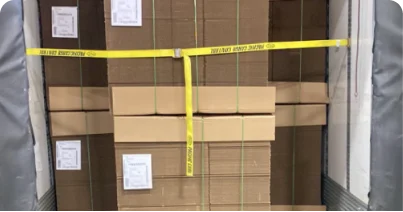
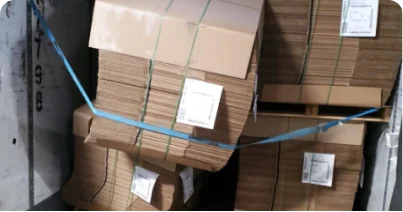
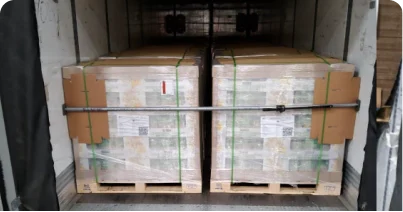
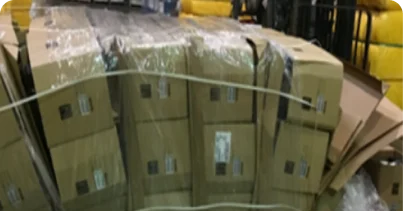
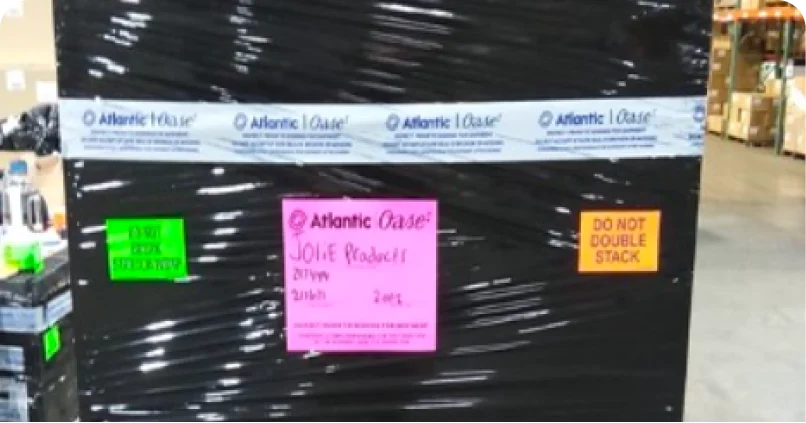
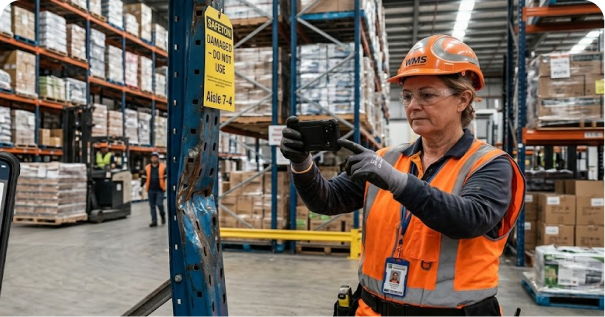
1. Take clear photos before and after transit Photographs should show the condition of the shipment at origin and again at destination. Images should clearly capture:
  1. Packaging condition
  2. Pallets, containers, or railcars
  3. Close-ups of visible damage
Wide-angle shots help establish context, while close-ups show detail.
2. Measure the damage in inches Measuring damage is often overlooked, but it’s critical. Recording the length, width, or depth of damage in inches helps:
  1. Establish severity
  2. Support accurate claim values
  3. Avoid disputes over “minor vs. major” damage
For example, noting a “6-inch tear on packaging” or a “4-inch dent on the side panel” adds clarity that photos alone may not provide.
This combination of photos and measurements creates a stronger, more defensible record.

How This Improves Rail Freight Damage Prevention

Consistent documentation doesn’t just help after damage occurs, it also helps prevent repeat issues.
When teams track damage patterns and measurements, they can:
1. Identify recurring problem areas
2. Spot carrier or lane-specific issues
3. Improve packaging or loading methods
Over time, this data-driven approach leads to better rail freight damage prevention and fewer surprises at delivery.

Stronger Claims, Faster Resolution

Rail shipment damage documentation that includes both images and measurements is harder to dispute. It shows professionalism, consistency, and attention to detail with qualities rail carriers expect when evaluating claims. Shippers who follow this practice often see:
1. Faster claim reviews
2. Fewer rejected claims
3. Clearer accountability
Most importantly, it reduces internal confusion and improves communication between operations, claims, and carrier partners.

Final Thought

Rail damage may not be entirely avoidable, but poorly documented damage is. By taking photos before and after transit and measuring damage in inches, teams gain clarity, control, and credibility.
This simple best practice strengthens rail carrier damage claims, improves freight damage measurement, and helps protect margins in an increasingly complex supply chain.
Share this Article
Dive Deeper