






















Use LoadProof to Block Chain Enable Your Supply Chain – What does this mean?
Automatically perform the following:
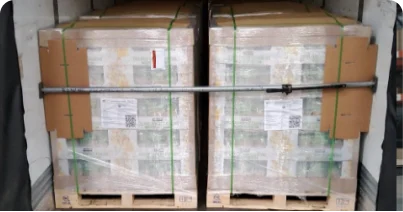
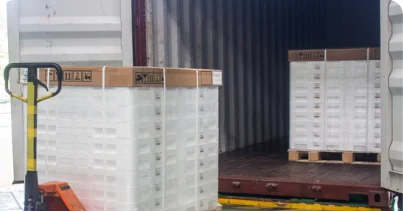
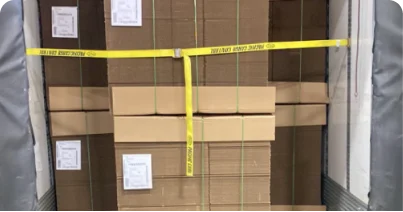
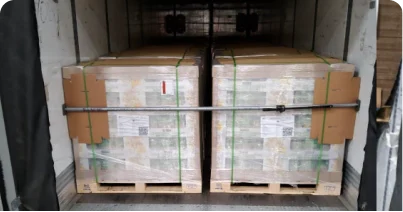
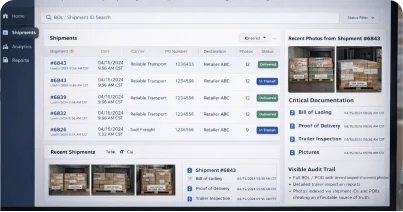
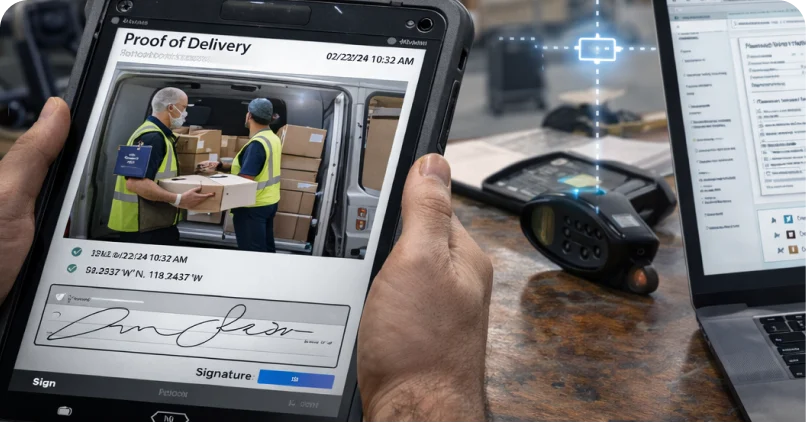
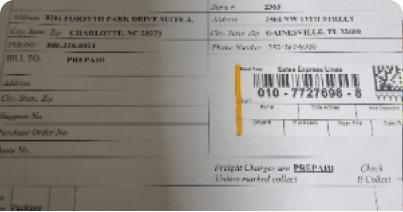
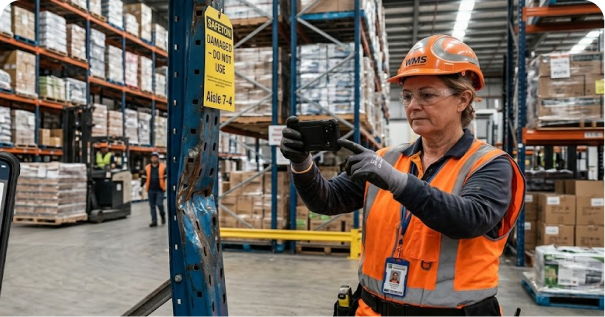
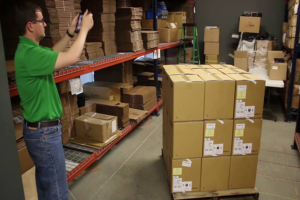
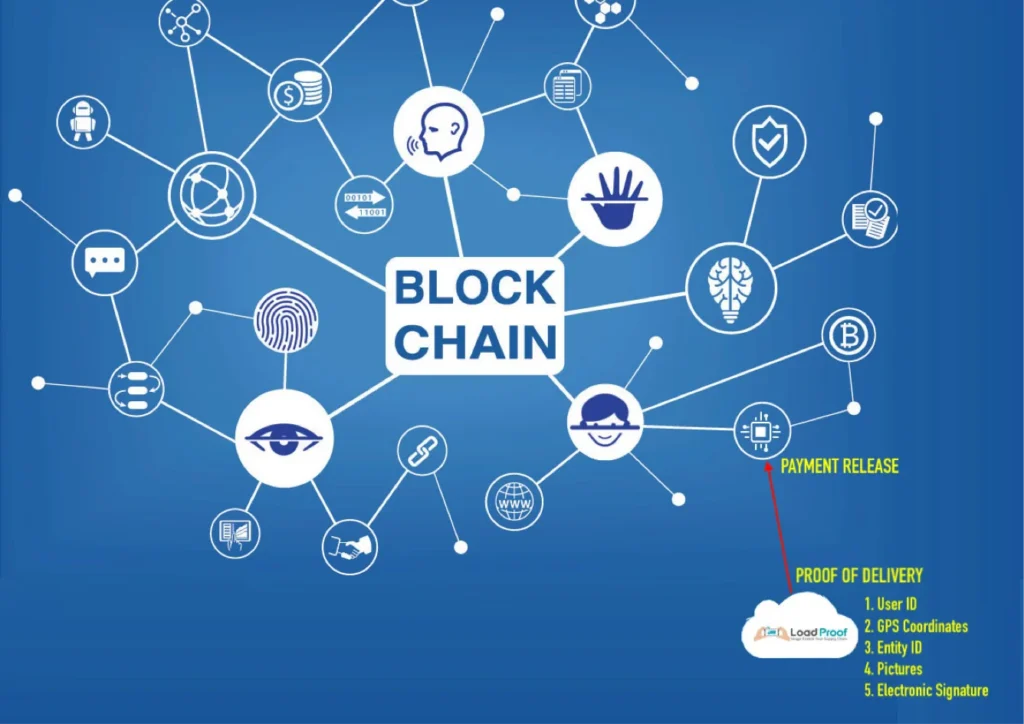
- Send Blockchain transactions with pictures, when pictures are taken as a proof of delivery.
- Publish status updates of Shipments & Loads by sending Blockchain Transactions with pictures.
- Update smart contracts with Pictures residing in LoadProof cloud.
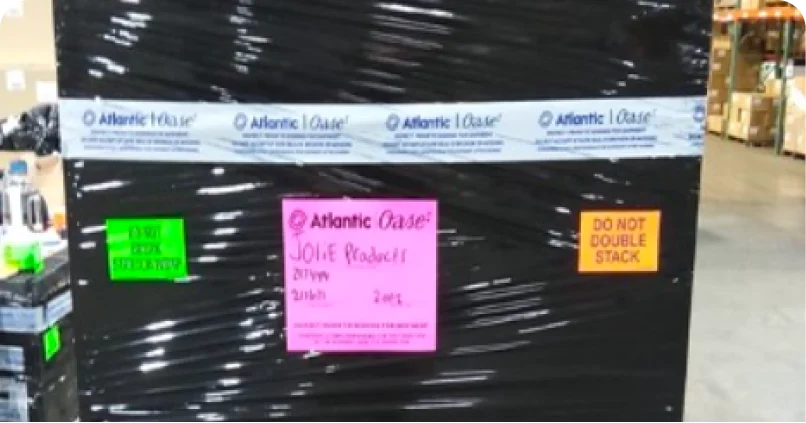
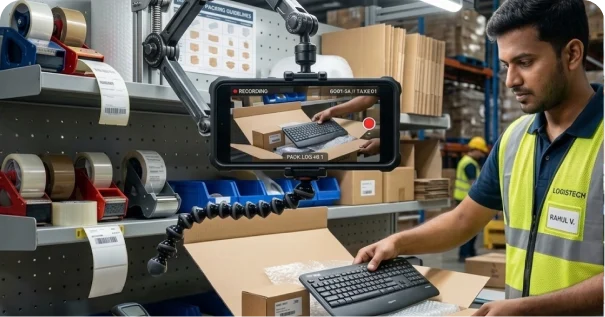
- Transfer Pictures as part of an ASN to depict that the merchandise was delivered in pristine condition.
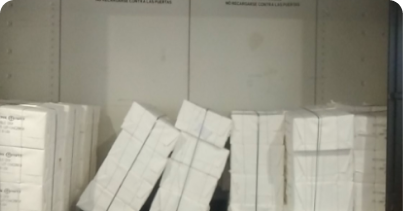
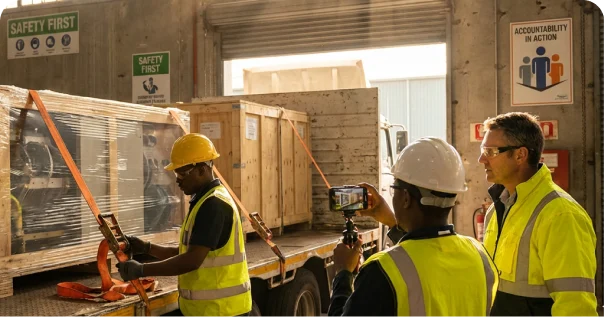
- Share pictures of condition of the merchandise in a claims situation.
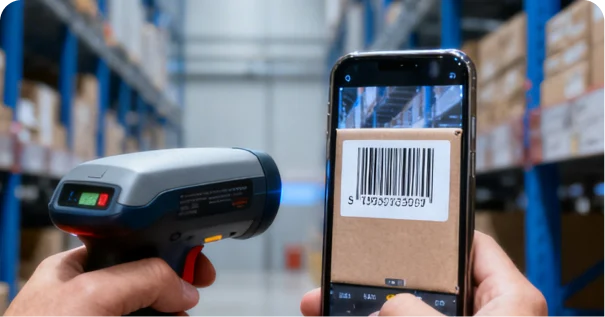
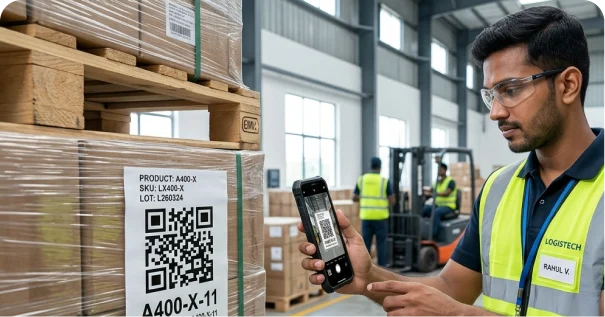
- Leverage OCR and capture data from the pictures into databases.
 1. Increases EPP, using budgeted line items.
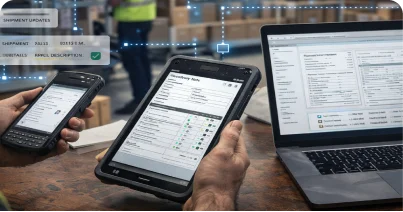
 Millennial friendly technology, less onboarding time, very easy adoption – touch screen keypad, and 43% of Millennials already use IOS, familiar with Facetime, 85% of Millennials aged 18-24 own devices and 86% aged 25-34 own them, consume a lot of video on their smartphones, and are highly comfortable with this medium, they understand and like apps.