




OUR BLOG
 Inspection of the Rail Cars before departure

Pre-Departure Rail Car Inspection & Cargo Securement

Shipping goods by rail is one of the most efficient ways to move heavy loads over long distances. But as any logistics pro knows, once that train pulls out of the yard, the cargo is out of your hands for a long time. If a rail car leaves your facility with a loose door, a weak seal, or poorly balanced cargo, you aren’t just looking at a minor delay, you’re looking at a potential disaster.
A thorough rail car inspection before departure is the only way to stop problems before they start. It isn’t just a box to check on a daily list; it’s a vital part of logistics risk management that protects the sender from unnecessary costs, legal headaches, and damaged relationships with customers.

The High Cost of Skipping the Walk-Around

When things go wrong on the tracks, they go wrong in a big way. If a car isn’t properly checked, the risks are high. A broken or improperly recorded seal is an open invitation for someone to meddle with the cargo, leading to theft or tampering claims that are nearly impossible to win without solid proof.
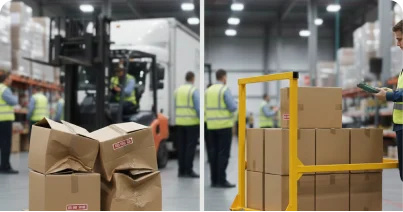
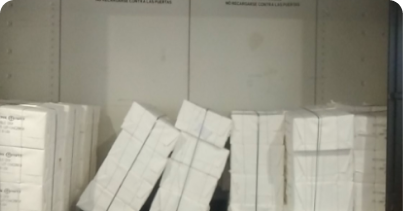
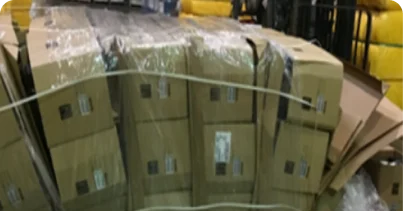
Furthermore, a small hole in a wall or a door that doesn’t close tightly can let in rain, snow, or road salt. This moisture can ruin high-value goods long before they reach their destination. Beyond the inventory itself, there is the serious issue of rail freight safety. Shifting loads can actually unbalance a car, which is a major threat when traveling at high speeds or through mountain passes. Taking ten minutes to look twice at the yard can save ten days of paperwork and insurance phone calls later.

Practical Steps for a Better Inspection

1. Check Doors and Locks Carefully: Start by inspecting all doors. Look for dents, rust, cracks, or broken parts that might keep the door from sealing 100% tightly. Make sure the locking system works properly and closes without a gap. You should never assume a door is secure just because it looks closed from a distance; you need to get up close and test it. If a door is damaged or does not lock correctly, it can fail during transit or allow unauthorized access. Regular rail car inspection routines help catch these issues early and prevent expensive liabilities.
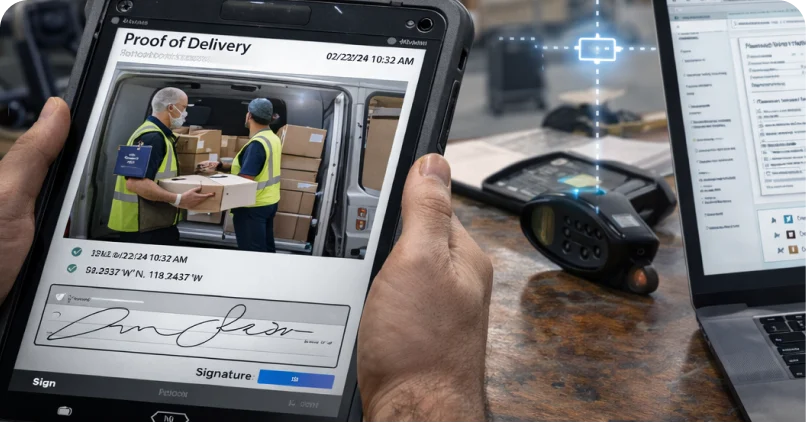
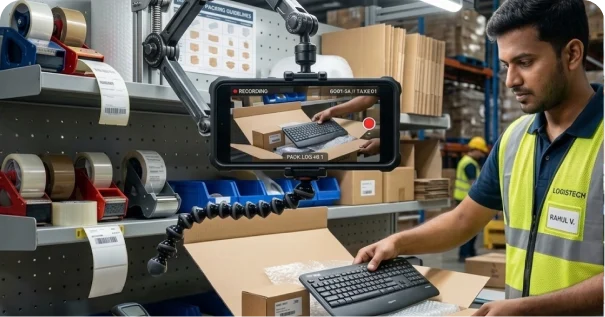
2. Seal Verification and Documentation: Every rail car should have a high-security seal before departure. However, a seal is only useful if there is a permanent record of it. Record the seal number digitally and take clear, high-resolution photos of it on the door. This creates undeniable proof that the cargo left the facility sealed and untouched. Proper seal documentation is the “gold standard” for logistics risk management and is very helpful if there is ever an insurance dispute or a concern about tampering during the journey.
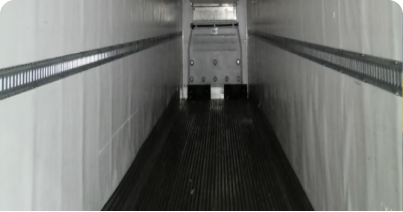
3. Inspect the Floor and Walls: It only takes a minute to check the floor for cracks, weak spots, or raised areas. Inspect the walls for rust, holes, or corrosion that might have happened over years of use. Even small structural issues can cause cargo to shift or get snagged during transit. A hole in the car wall can also expose sensitive goods to weather elements, dust, or moisture damage. Identifying these problems before loading protects both the cargo and the company’s bottom line.
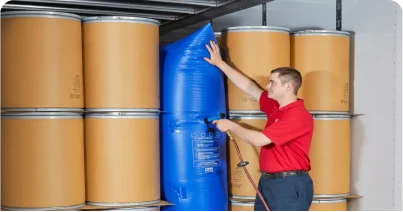
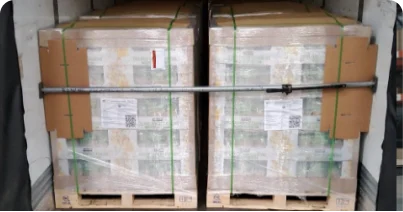
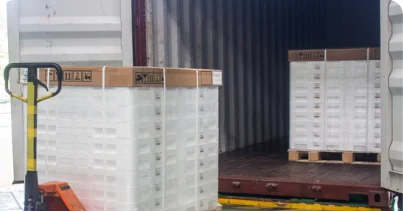
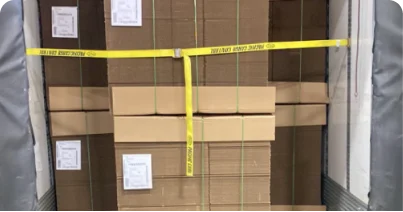
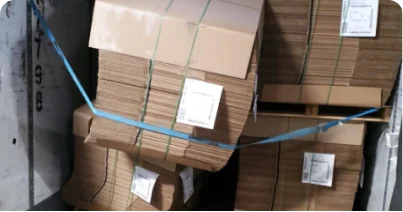
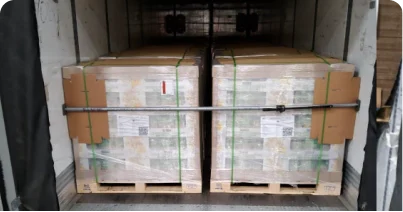
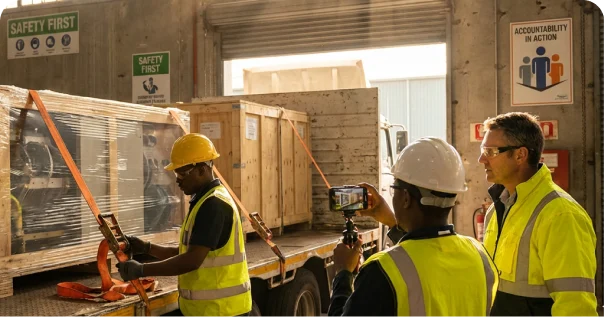
4. Advanced Cargo Securement Review: Before closing the doors for the last time, verify that all dunnage, straps, and bracing are applied according to industry standards. Cargo securement is not just about stopping scratches on the product; it is about distributing weight evenly to maintain the balance of the rail car. If a load shifts during the vibrations of a long journey, it can damage the car itself or create a safety risk for the entire train.

Modern Technology and Safety Standards

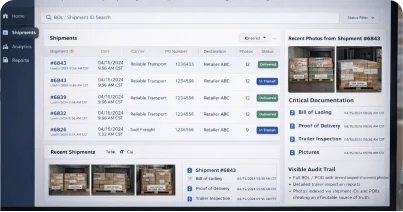
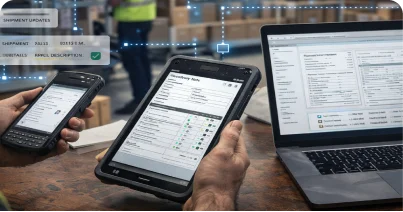
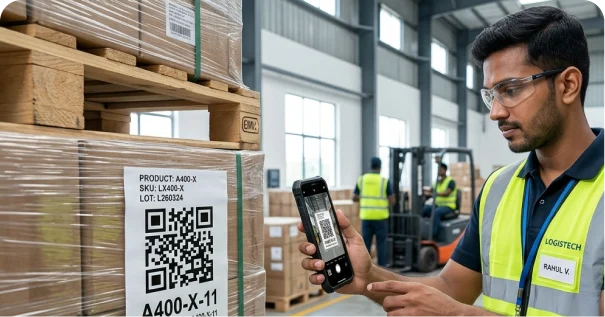
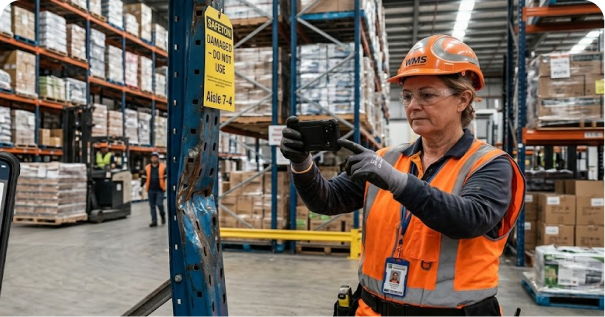
As rail logistics evolves, digital tools are quickly replacing paper checklists. Utilizing mobile inspection apps allows teams to upload real-time data and photos to a centralized cloud. This transparency is a cornerstone of modern logistics risk management, providing total visibility into the car’s condition before it hits the tracks. It ensures that rail freight safety is a standard practice rather than a guess, keeping everyone from the warehouse to the customer informed.

Final Takeaway

Investing time in a thorough rail car inspection is a small effort that yields massive dividends. By prioritizing rail freight safety, a business protects its physical assets and reinforces its professional reputation. From preventing cargo damage to deterring theft, every check strengthens the integrity of the global supply chain.
Share this Article
Dive Deeper