

OUR BLOG
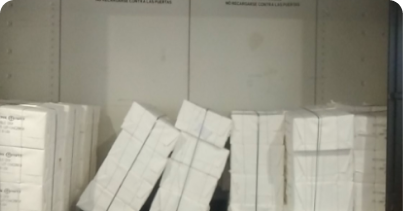
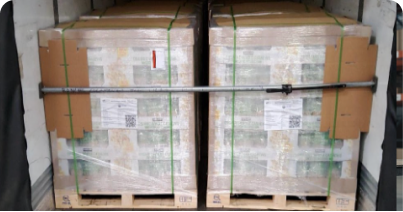
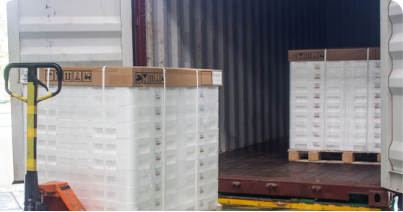
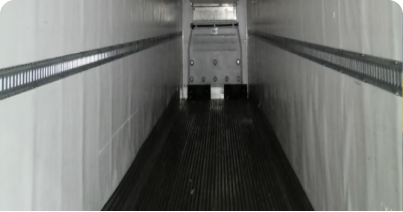
Photos of clean trailer– very important for food

Why trailer cleanliness is critical to food supply chain integrity

A trailer can arrive on time, sealed, and properly documented, and still have its load rejected within minutes. The reason is often simple: cleanliness.
In food logistics, trailer cleanliness is not about appearance. It is about compliance, product protection, and financial control. A small amount of debris, residual odor, moisture, or contamination inside a trailer can immediately raise concerns at the receiving dock. When that happens, the consequences move quickly from operational inconvenience to measurable loss.
Maintaining a clean transport environment is one of the most practical and cost-effective forms of shipment rejection prevention available to food shippers.

The financial impact of overlooking trailer condition

Food shipments operate under strict food safety compliance standards. Receivers are obligated to reject freight if trailer conditions suggest contamination risk. Even when product quality has not been compromised, the perception of risk alone can be enough to stop the load.
A rejected shipment often triggers return freight costs, rescheduling fees, product rework, and labor disruptions. Delivery windows are missed. Customer confidence is tested. In competitive markets, repeated incidents can affect long-term business relationships.
What makes this especially frustrating is that most of these situations are preventable. The issue is rarely complex. It is often a matter of failing to verify and document the trailer’s sanitary condition before loading begins.

The role of visual documentation

Inspection alone is not enough. Documentation transforms a routine check into defensible evidence.
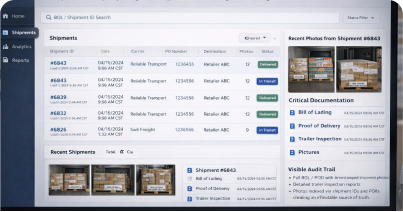
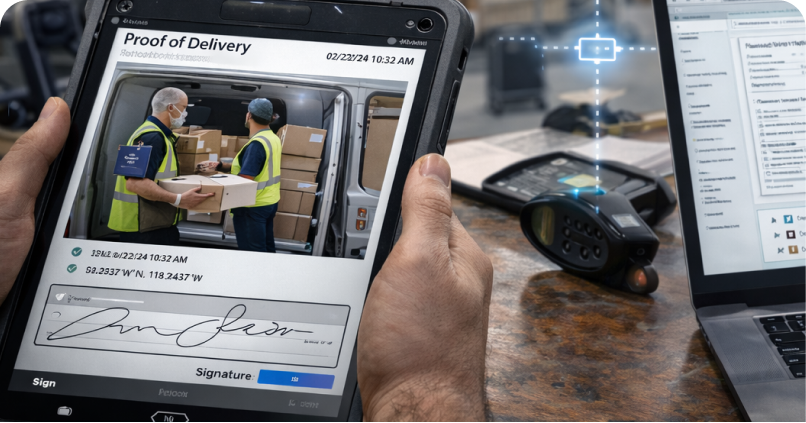
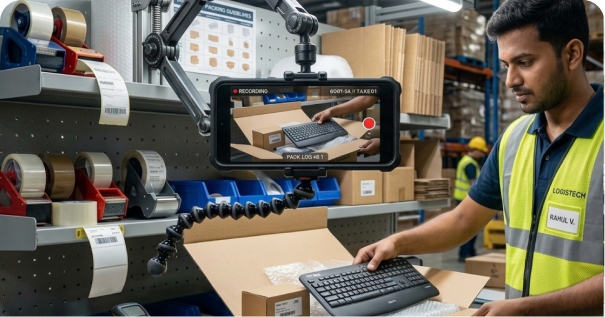
Implementing consistent visual verification protocols ensures that trailer condition is recorded before loading. High-resolution, time-stamped photos of the trailer interior create an objective record that can be referenced if questions arise later.
Photographs of the nose, floor, walls, ceiling, and door areas establish the sanitary state of the unit at departure. If a receiver later raises concerns, the shipper is not relying on memory or verbal confirmation. There is documented proof of condition.
In an industry where disputes can take weeks to resolve, documented evidence shortens conversations and protects margins.

Building consistency across operations

Professional operations do not rely on informal checks. They build repeatable systems.
Standardizing trailer inspection and photo documentation creates accountability at the dock level. It reduces variability between shifts and facilities. Management gains visibility into compliance practices. Most importantly, it ensures that no trailer is loaded until it meets the required hygiene threshold.
Over time, this consistency strengthens shipment rejection prevention efforts and reinforces commitment to food safety compliance standards.

Clean trailers reflect operational discipline

Trailer cleanliness is often viewed as a minor operational task. In reality, it reflects broader organizational discipline.
Companies that maintain documented cleanliness standards send a clear message to customers and partners: quality control begins before the product moves. That level of diligence reduces claims, minimizes disputes, and enhances credibility in food logistics networks.

Conclusion: Secure Your Supply Chain Today

Clean trailers do more than protect cargo. They protect relationships, reputation, and revenue. By prioritizing trailer cleanliness and integrating structured visual verification protocols into daily operations, organizations reduce risk at one of the most critical control points in the supply chain.
In food transportation, prevention is always less expensive than correction, and it begins with a clean, documented trailer before loading starts.
Share this Article
Dive Deeper