









OUR BLOG
Warning – Keep away from small children

Suffocation Warning Standards: Scaling, Placement, and Compliance

A warehouse floor is a high-speed environment where small details are often sacrificed for the sake of efficiency. However, a “Warning: Keep Away from Small Children” label on plastic packaging is a detail that no professional operation can afford to ignore. While these thin films and poly bags are essential for protecting goods from moisture and friction during transit, they represent a significant physical hazard once they reach the end consumer.

For a warehouse team, the label is the final line of defense. Ensuring these warnings are present and legible is not just a minor checklist item; it is a critical part of packaging safety standards that protects both the end user and the business from catastrophic legal consequences. When a package is sealed without this warning, the safety chain is broken, and the liability rests squarely on the facility that shipped it.

Why These Labels Matter to Your Business

When a product leaves your facility, your brand’s reputation travels with it. If a poly bag lacks the necessary suffocation warning compliance, your business is exposed to massive liability risk management failures. In many jurisdictions, including major shipping hubs like California, Massachusetts, and New York, these labels are a strict legal requirement for any plastic bag with an opening of five inches or larger.

Failing to verify these labels during the packing process can lead to a domino effect of business failures:

  • Regulatory Penalties and Recalls: Non-compliance with safety laws can result in heavy fines, but the hidden cost is the “Stop Sale” order. If a regulator finds a batch of unlabeled bags, they can freeze your entire inventory.
  • Retailer Rejection: Major e-commerce platforms and big-box retailers will often reject entire shipments at the receiving dock if the packaging does not meet their specific safety criteria, leading to massive return shipping costs.
  • Accountability Gaps: If an incident occurs, a lack of documented handling makes it impossible to determine who is at fault. Without a label, the business carries the full weight of the legal and financial fallout.

Warehouse Best Practices for Packaging Safety

To maintain a high standard of warehouse safety protocols, your team must treat suffocation warnings with the same level of scrutiny as a hazardous material placard. It is about creating a culture where a missing label is seen as a “failed product.”

1. Visibility and Contrast A warning obscured by shipping labels or packing slips is legally void. Labels must be placed on a high-contrast, front-facing area away from seams. When using pre-printed bags, ensure the product inside doesn’t bunch up and hide the text.

2. Font Size and Scaling Safety standards require font sizes to scale with the bag’s surface area. A tiny warning on a large mattress bag or furniture cover is a compliance failure. Teams must be trained to ensure the text remains readable relative to the package size.

Carton with a white WARNING label about keeping thin film away from small children

3. Adhesion and Environment Standard adhesives can fail in humid or cold warehouse conditions. Warehouse safety protocols must include applying labels to flat, dry surfaces to prevent peeling during transit. A detached label is a total failure of the safety system.

Closing the Liability Gap with Technology

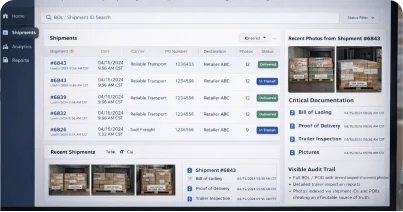
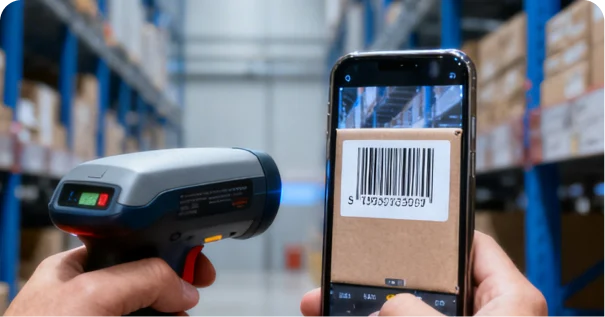
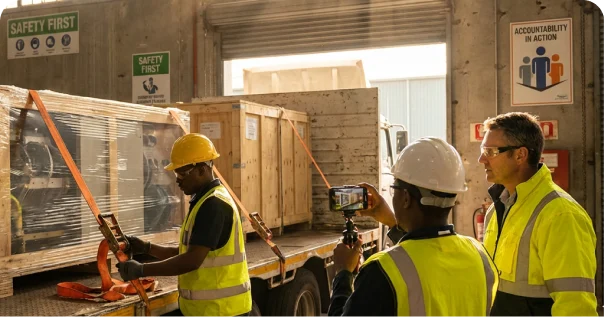
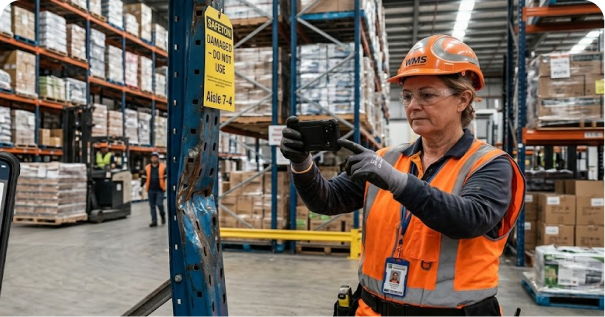
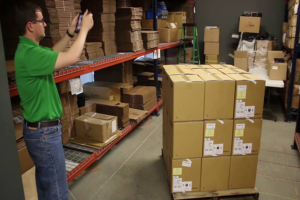
In a modern warehouse, “we thought it was labeled” is not a valid defense in court. Integrating digital documentation into your packing line is the only way to ensure 100% accountability. By capturing a high-quality photo of the labeled product before it is placed in the final shipping carton, you create a permanent, timestamped record of compliance.

This digital audit trail is your strongest protection in a liability dispute. It proves that when the item left your control, all packaging safety standards were met. It shifts the burden of proof away from your team and provides clear evidence that your facility followed every compliance measure perfectly.

Summary

A suffocation warning is a small detail with a massive responsibility. By prioritizing suffocation warning compliance and training your team to treat these labels as a non-negotiable part of their workflow, you are doing more than just moving boxes. You are protecting lives, maintaining your standing with major retailers, and securing the financial future of your business. In this industry, the smallest sticker is often the one that provides the greatest protection.

Share this Article
Dive Deeper