










OUR BLOG
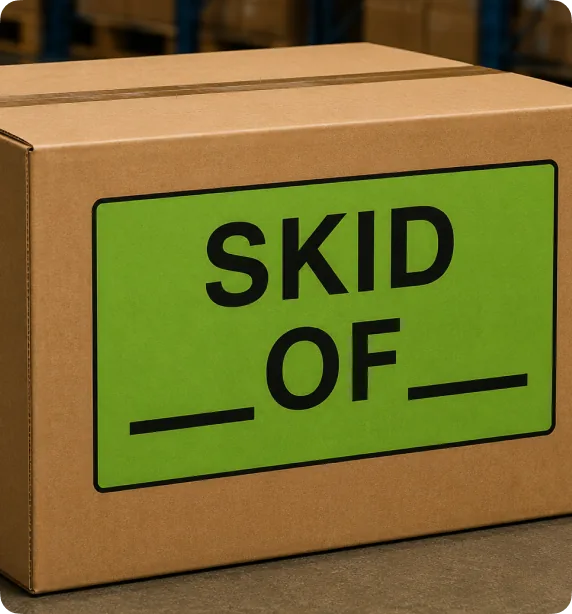
SKID ___OF ___

Pallet Identification & Sequencing: Reducing Shipping Shortages

There are few things more frustrating for a warehouse manager than finding a “Skid 3 of 4” in the racks and realizing Skid 4 never actually made it off the truck. This isn’t just a minor shipping error; it’s an inventory black hole that triggers hours of manual reconciliation, disputed claims, and stalled production lines.

In a high-velocity distribution environment, a standardized pallet identification label is the only thing standing between a synchronized flow and total dock-level chaos. The “SKID ___ OF ___” label, while simple in design, acts as a primary control point for shipment completeness verification. It transforms a random collection of shrink-wrapped freight into a traceable, sequential unit of a larger shipment.

The Functional Value of Sequential Notation

The primary purpose of the sequence label is to establish an immediate, visual relationship between an individual pallet and the total shipment volume. When a receiver sees “Skid 4 of 5,” they instantly know two things: exactly what they are holding and exactly how many more they need to find.

This level of clarity enables immediate validation of:

  • Total Pallet Count: No more guessing based on the Bill of Lading (BOL).
  • Shipment Integrity: Identifying misrouted or left-behind pallets before the driver leaves the premises.
  • Inbound Shipment Validation: Accelerating the intake process by removing the need for repetitive paperwork checks for every single movement.

High-throughput operations depend on this visibility to maintain freight handling accuracy. Without it, your team is essentially operating in the dark, relying on memory and manual tallies that fall apart during peak hours.

Operational Risks Without Standardized Identification

When a facility lacks a structured pallet identification label system, they aren’t just disorganized, they are bleeding revenue. Inconsistent execution at the dock level leads to several high-cost risks:

  • Silent Shortages: Accepting a shipment that is missing one pallet because the count wasn’t visually verified.
  • Dispute Bottlenecks: Higher frequency of “he-said, she-said” disputes between shippers and carriers regarding missing freight.
  • Increased Reconciliation Time: Warehouse staff wasting hours searching for a pallet that was never delivered in the first place.

Most of these issues can be eliminated during the inbound shipment validation phase by enforcing a strict “No Label, No Intake” policy.

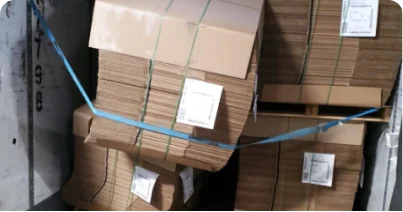
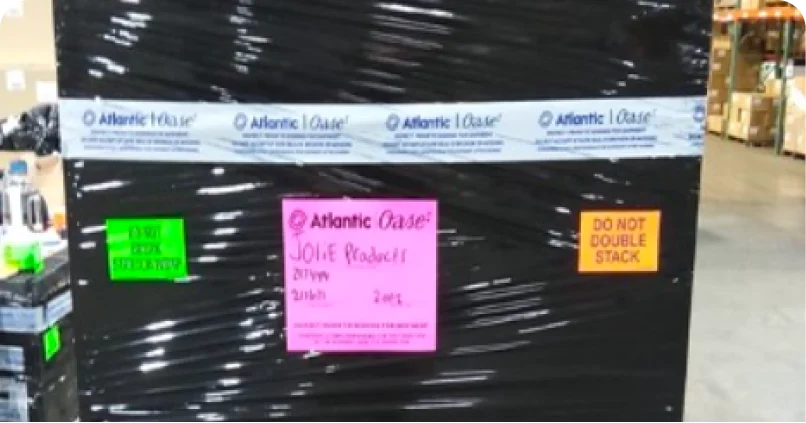
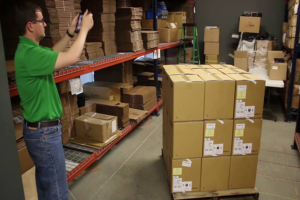
Carton with a green SKID ___ OF ___ pallet sequence label

Standardize Dock-Level Continuity Verification

Key Strategies for Implementation

1. Establish a Closed-Loop Numerical System and Visibility Standard

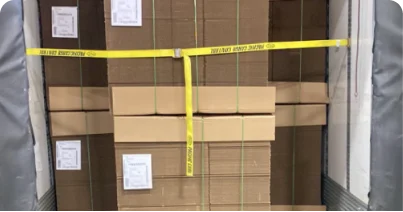
Each pallet must follow a consistent, bold numerical format,such as Skid 1 of 4, Skid 2 of 4, etc., to create a system where discrepancies are immediately visible. To ensure this pallet identification label is effective, it must be applied to at least two adjacent sides of the pallet.

This 360-degree visibility ensures clear identification regardless of the forklift’s approach angle and maintains high freight handling accuracy during staging in narrow or crowded aisles.

2. Synchronize Physical Labels with Inbound Validation Protocols

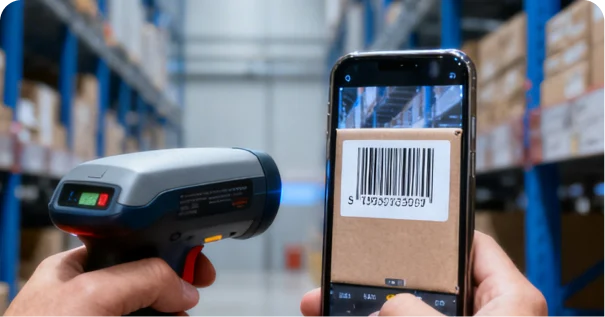
Every physical pallet identification label must be a mirror image of your digital data. This means the notation on the drum or box must perfectly synchronize with the Packing Lists, BOLs, and Advance Shipping Notices (ASN). If the digital system says 6 pallets but the physical labels only go up to 5, you have identified a discrepancy before it even enters your inventory system.

3. Mandatory Shipment Completeness Verification

Receiving teams should be trained to perform a “Sequence Check” before finalized intake. If a shipment arrives and you see Skids 1, 2, 4, and 5, the alarm should go off immediately for Skid 3. Catching these “ghost pallets” during inbound shipment validation is the only way to hold carriers accountable and prevent downstream fulfillment errors.

Business Impact

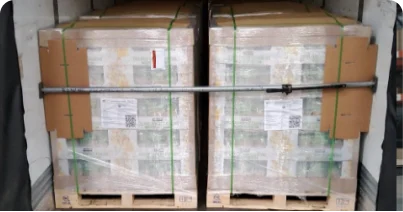
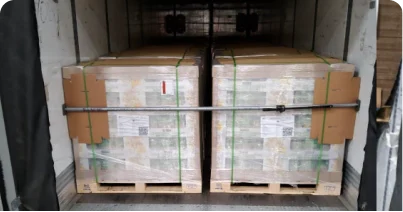
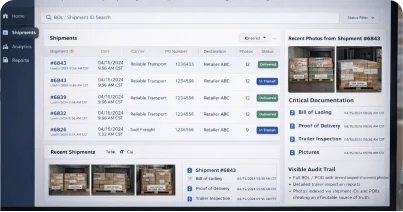
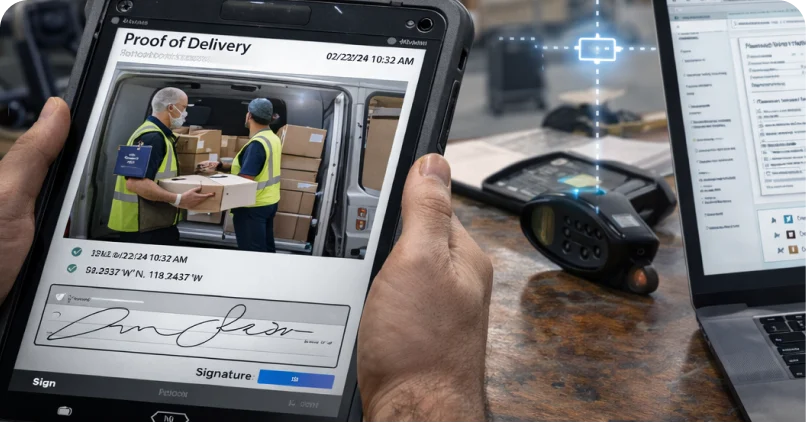
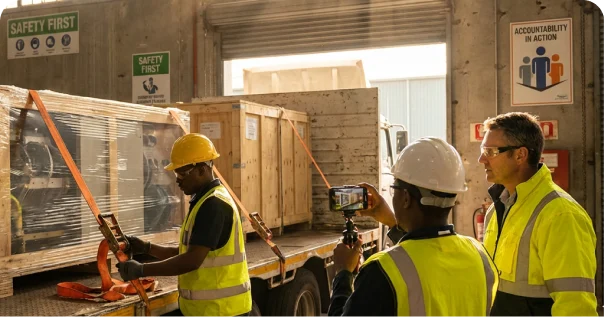
In modern logistics, “doing the work” isn’t enough, you need an audit trail. We recommend that teams take a high-resolution photo of the entire shipment staged on the dock, clearly showing the sequential labels in order.

This creates a verifiable “last-seen-complete” record. If a customer later claims they only received 4 out of 5 pallets, you have timestamped evidence that the shipment completeness verification was performed and the load was intact when it left your control. This digital evidence is the most effective tool for resolving OSD (Over, Short, and Damaged) claims in minutes rather than weeks.

Conclusion

The “SKID ___ OF ___” label is a small tool that solves a massive problem. It bridges the gap between what the computer says and what is actually sitting on your warehouse floor. By prioritizing standardized labeling and rigid inbound shipment validation, you protect your facility from shortages, reduce disputes, and ensure that your supply chain remains a reliable, transparent engine of growth.

Share this Article
Dive Deeper