




OUR BLOG
Recyclable Materials

How to Improve Industrial Recycling Efficiency with Simple Photo Proof

Most people look at a pile of warehouse scrap and just see trash, but an experienced manager sees a hidden cost. When materials are left in messy, mixed-up piles, the facility isn’t just untidy, it is losing money on rejected loads and creating safety hazards for everyone on the floor. Properly managing these materials is a core part of sustainable waste management and is the only way to run a professional, accountable workplace.
Recyclable Materials

What happens when materials get mixed

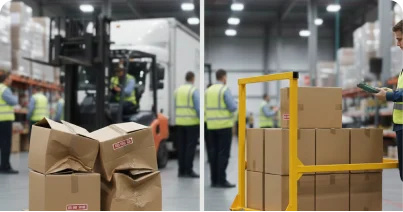
When rubber, plastic, and cardboard are tossed into the same bin, the material becomes worthless. Recyclers will often reject an entire load if they see even a little bit of the wrong material mixed in. This doesn’t just waste the scrap; it wastes the time your team spent loading the truck and creates a massive headache to fix.
Beyond the cost, messy piles make it hard for people to move around safely. If you don’t have a plan for your scrap, you are essentially waiting for an accident to happen. Improving your industrial recycling efficiency starts with realizing that scrap should be handled with the same care as your finished products.

Sorting at the source saves time

The fastest way to handle waste is to never let it get mixed in the first place. By practicing strict material segregation, you ensure that rubber stays with rubber and foam stays with foam. It is much faster to sort a small handful of scrap as it s created than to spend hours digging through a giant mountain of trash at the end of the week.
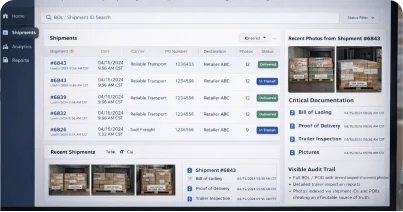
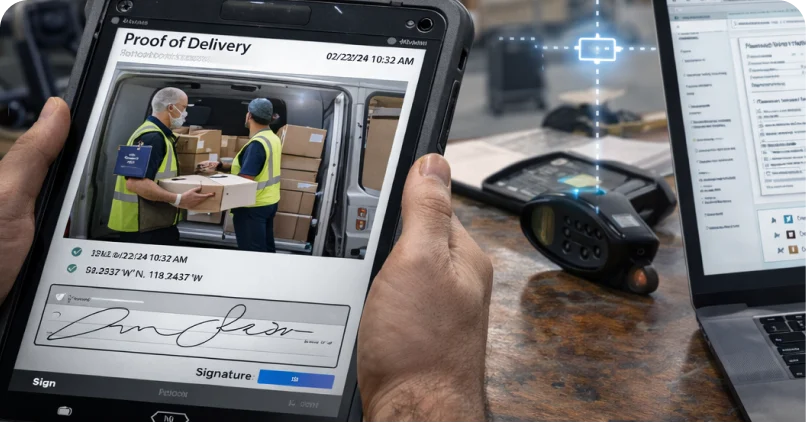
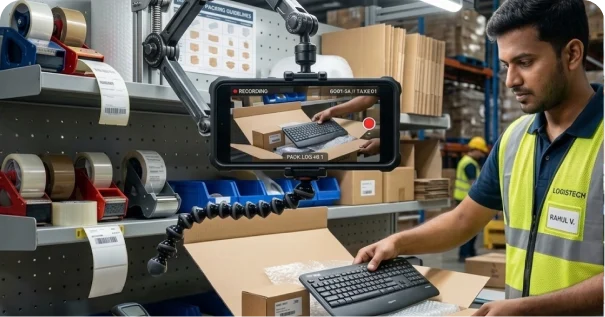
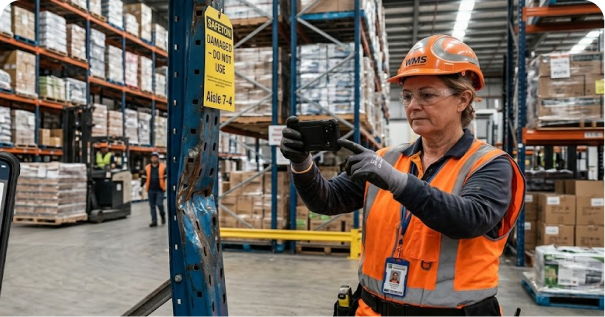
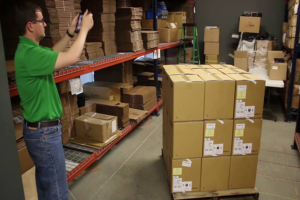
The real best practice here is to take a quick photo of the bin once it s full. This photo acts as a digital receipt. It proves that the material inside is clean and sorted correctly. If a vendor tries to claim the load was dirty to avoid paying you, you have the proof to shut down the argument immediately.
Recyclable Materials

Neat stacking prevents rejected loads

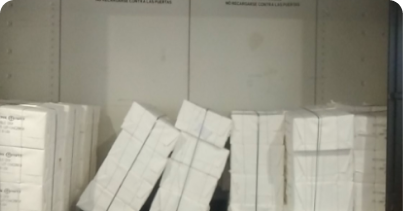
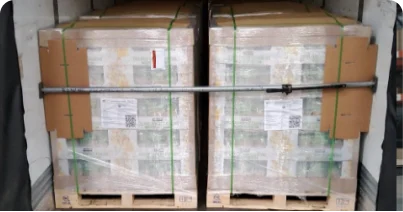
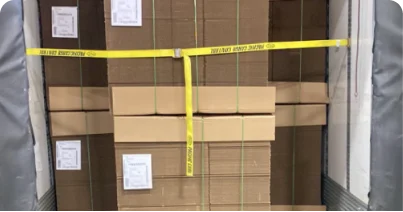
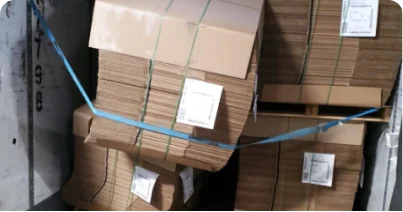
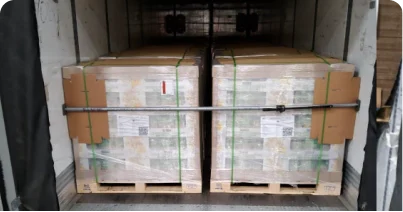
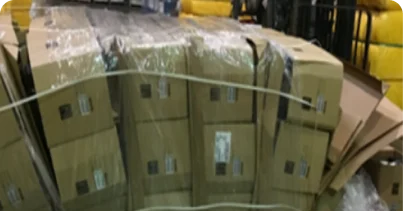
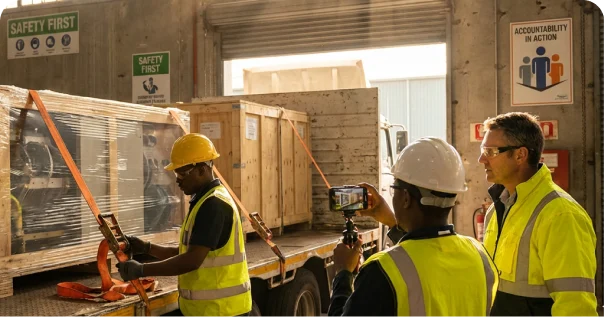
Even if your materials are sorted, they can still be rejected if they look like a disaster. If foam or rubber is hanging out of a bin or scattered all over a pallet, it s hard to move and even harder to stack in a truck. Neat stacking is about more than just looking good; it is a vital part of sustainable waste management. It allows you to fit more into every bin, which means fewer trips for the truck and more money saved. Taking a photo of a neatly stacked bin also serves as evidence of workplace compliance. It shows that your team is following safety rules and that the facility is being run properly.

Why a quick photo stops big arguments

A single photo takes three seconds to snap, but it can save hours of back-and-forth emails later. Without a record, it s impossible to hold anyone accountable. If a load is rejected, you won’t know if the mistake happened on your floor or during the haul.
Using photos as part of your industrial recycling efficiency plan does three things:
  1. It trains the team: You can show new workers exactly what a perfect bin looks like.
  2. It stops disputes: You have the before picture to prove the quality of your materials.
  3. It catches mistakes early: If a manager sees a photo of a messy bin, they can fix the problem before the truck even
    arrives.

Conclusion

At the end of the day, a better recycling system is really just a better way to work. When you separate your materials, stack them neatly, and take a quick photo, you are protecting your business from unnecessary costs and arguments.
Following these workplace compliance ensures that your facility stays safe and your recycling actually makes it to the right place. It turns a trash problem into a smooth, documented process that saves time and keeps the floor moving
Share this Article
Dive Deeper