


OUR BLOG
Quarantine Labels

How Do Warehouses Prevent Wrong Shipments? Quarantine Management Explained

How do warehouses stop the wrong material from getting back into circulation?

Moving goods quickly through a warehouse is expected. That is the basic job. But what separates a well-run warehouse from a risky one is how it handles exceptions, especially when something is not ready to be released.

That is where the quarantine management process comes in. A quarantine label is more than just a sticker. It tells everyone on the floor that this item needs attention because something about it is uncertain, maybe the quality, the condition, compliance, or safety. Until it is checked and cleared, it should stay out of the normal flow.

In a busy warehouse, that small label becomes an important decision point: move forward, or stop here.

Visual control and the risk of mistakes

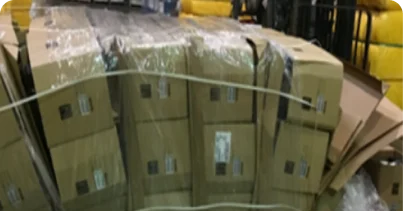
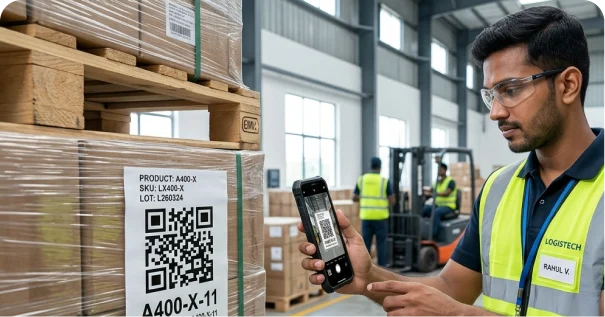
In a warehouse, most cartons and pallets start to look the same once they are staged. When things get hectic, during shift changes, peak order times, or dock congestion, it is easy for exceptions to blend in with regular inventory.

That is where the real risk begins. It is not always the damage itself that causes the biggest problem. More often, it is when a product that should have stayed on hold gets treated like approved stock and moves forward by mistake.

The quarantine label helps support better warehouse quality control. It tells everyone clearly:

  • Do not ship.
  • Do not mix with active inventory.
  • Do not release until reviewed.

But the label only works if it is used properly on the floor.

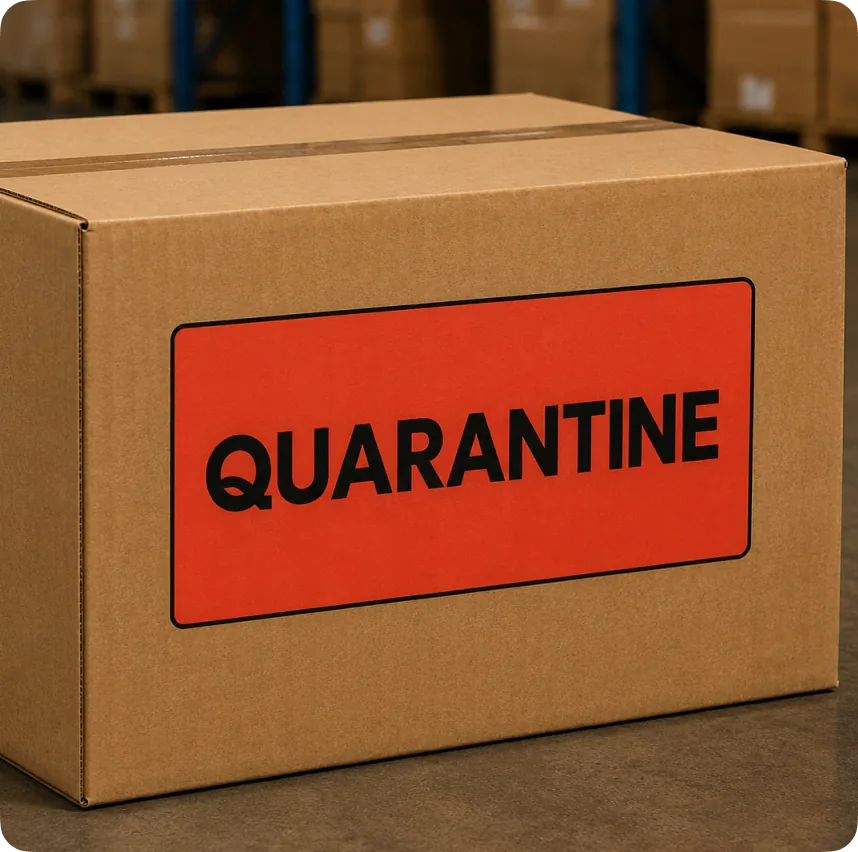
Carton with a large red QUARANTINE label

Where quarantine labels fail under pressure

Even well-run warehouses face challenges when operations get busy.

One common issue is missing context. A pallet may be marked quarantine, but the reason is not documented clearly. Later, supervisors must spend time investigating what happened before making a decision.

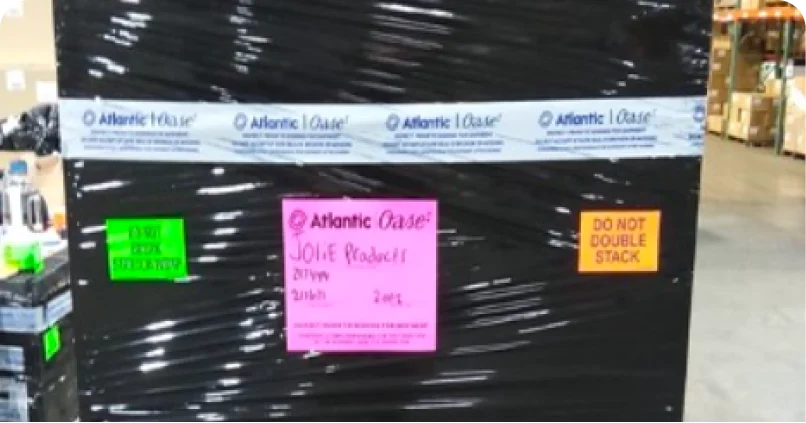
Another issue is poor visibility. If the label is placed on only one side of a pallet, it can be missed during movement or storage changes. In dense warehouse environments, this leads to confusion.

A third challenge is lack of shared understanding. Forklift operators, QA teams, and receiving staff may interpret the label differently depending on experience and timing.

For example, a damaged pallet may be set aside by the receiving team in the morning, but if the reason is not recorded and the label is not obvious, another shift may assume it is ready for use. That is how the wrong material can quietly re-enter the flow.

When these gaps appear, the result is usually the same: delays, repeated inspections, unnecessary handling, and sometimes the wrong material moving forward by mistake.

Best practices for quarantine control

The value of a quarantine label depends on how well it is supported by process discipline within the quarantine process in warehouse.

  • Make the label highly visible. It should be easy to spot from any angle so it is not missed during movement or stacking.
  • Always include the reason. Clear reasons like damage, packaging issues, or inspection hold help teams act faster and with less confusion.
  • Use a dedicated quarantine area. Quarantined goods should never be placed casually beside active inventory.
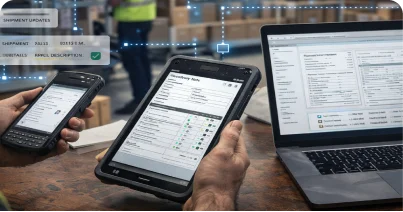
  • Align physical and system status. If the pallet is on hold physically, it should also be blocked digitally through the inventory hold process.
  • Communicate across shifts. Quarantine status must be clearly handed over so the item does not re-enter the flow by mistake.

When these steps are followed consistently, the quarantine process becomes easier to manage and far less dependent on memory or verbal updates.

Why photo proof makes quarantine stronger

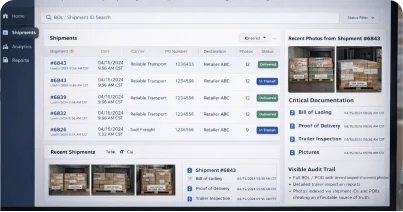
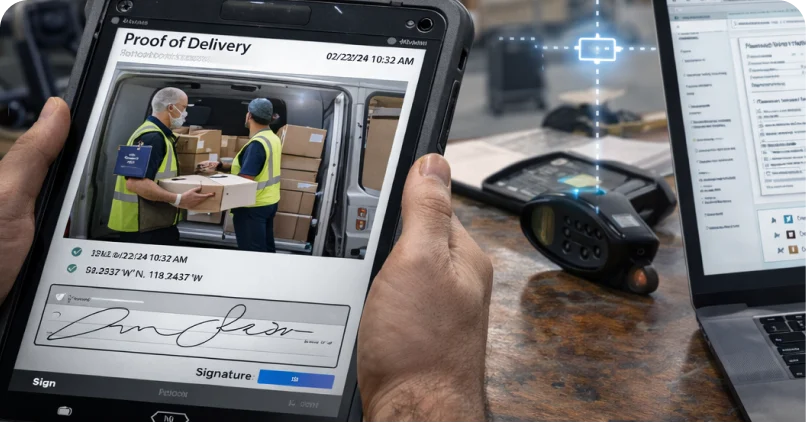
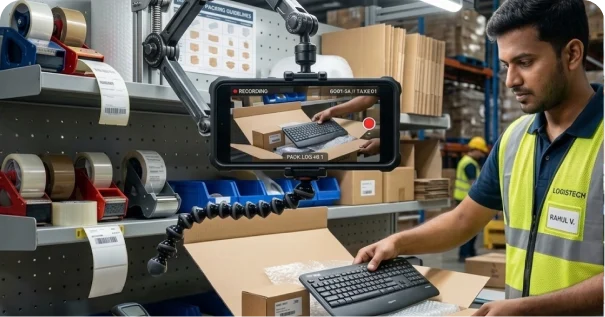
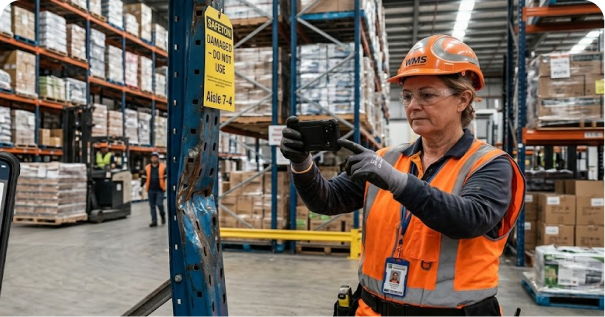
Photo documentation turns quarantine from just a verbal instruction into visible proof. A photo shows the real condition of the pallet, where the label was placed, and what was happening around it when the hold was applied.

It also makes handovers between shifts much easier. The next team does not have to depend on memory or handwritten notes. They can look at the photo and understand why the material was quarantined.

That matters because warehouse decisions often get questioned later. A photo helps answer basic questions quickly:

  • What was wrong with the item?
  • Was the label visible?
  • Where was the pallet staged?
  • Was the hold applied properly?

In simple terms, the label says “stop,” and the photo shows “why.”

Final thought

A quarantine label may be small, but it plays an important role in maintaining control on the warehouse floor. It gives the team a necessary pause to prioritize accuracy over speed.

When supported by clear reasons, physical separation, system records, and photo documentation, it strengthens overall warehouse quality control and reduces costly mistakes. In the end, speed only matters when the right material is moving forward. Effective quarantine management helps keep operations smooth, controlled, and reliable.

Share this Article
Dive Deeper