












OUR BLOG
QC Approval Label

Quality Control Label in Warehouse: Process & Best Practices

Every warehouse depends on clear checkpoints to keep products moving safely and accurately. The QC APPROVAL label plays a key role in the quality approval process by marking items that have been inspected, approved, and released for putaway, packing, shipping, or handoff to another department.

It may look like a simple sticker, but in daily warehouse operations, it acts as a practical control point. It helps teams quickly understand what has been checked, what is cleared, and what should move forward.

What the quality control label represents

At its core, a quality control label is a release marker. It shows that the item has passed a formal quality check and meets the required standard for its current stage in the workflow.

Different warehouses may use wording such as QC Passed, QC Approved, or Quality Checked, but the meaning remains the same: the product has been reviewed, found acceptable, and cleared to move.

A well-used quality control label should answer three quick questions:

  • Was it checked?
  • Is it acceptable?
  • Is it ready for the next step?

That clarity is essential in fast-moving environments where multiple teams handle the same product.

Sealed carton with a round green QC APPROVAL label

Where the label is used in warehouse operations

QC APPROVAL labels are most effective at key checkpoints where errors are most likely to occur. In many operations, this warehouse inspection label acts as a simple but reliable control.

Common use cases include:

  • Inbound receiving, after verifying shipments against the purchase order.
  • In-process inspection, during kitting or manufacturing.
  • Pre-shipment staging, before loading and dispatch.

These checkpoints sit at team handoffs. A clear label ensures that only verified products move forward in the quality approval process while supporting better visual quality control on the floor.

Why it matters in daily operations

Consistent use of a quality control label supports three key outcomes:

  • Preventing errors. It stops defective or incorrect items from being shipped, reducing returns and rework.
  • Maintaining inventory accuracy. It ensures approved stock is clearly identified, while uninspected items remain separated.
  • Improving traceability. When labels include details like date, lot number, or inspector initials, they create a record of what was checked and when.

For teams managing daily flow, a warehouse inspection label provides a simple way to maintain control and avoid confusion.

Best practices for a strong quality approval process

A QC label works best when the quality approval process is simple and consistent.

A practical workflow:

  1. Inspect the product using a clear checklist.
  2. Confirm it meets required standards.
  3. Apply the QC APPROVAL label only after approval.
  4. Place the label in a consistent, visible location.
  5. Record key details if required.
  6. Move only labeled items to the next stage.

This process helps ensure that only verified products move forward. If a label is missing or unclear, the item should be treated as not yet approved until verified.

Why Taking Photos Strengthens Visual Quality Control

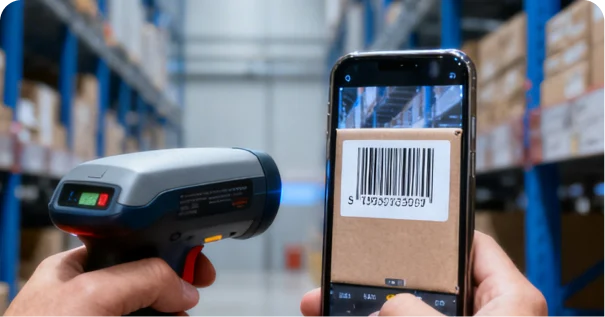
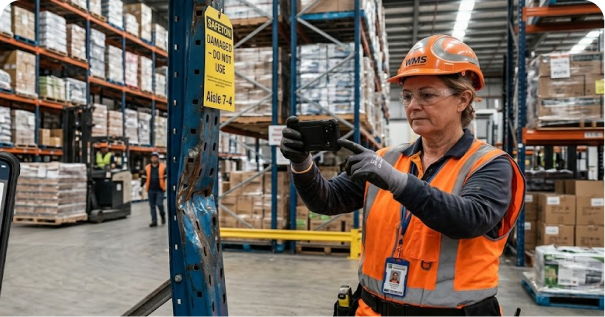
Taking a photo of the quality control label adds a strong layer to your visual quality control process.

It helps with:

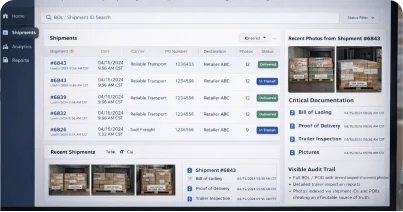
  • Proof of compliance – confirms inspection was completed
  • Dispute resolution – shows condition at the time of shipment
  • Audit support – provides a time-stamped record

A photo does not replace the label, it strengthens the quality approval process by adding proof and traceability.

Conclusion

The QC APPROVAL label is more than a sticker. It is a simple quality gate that supports better accuracy, cleaner workflows, and stronger accountability across warehouse operations. When paired with a photo, it becomes an even more reliable safeguard by adding proof, traceability, and visibility that every warehouse can use.

Share this Article
Dive Deeper