










OUR BLOG
Personal Protective Equipment Required Beyond This Point

PPE Maintenance & Fit: Strategic Safety Standards

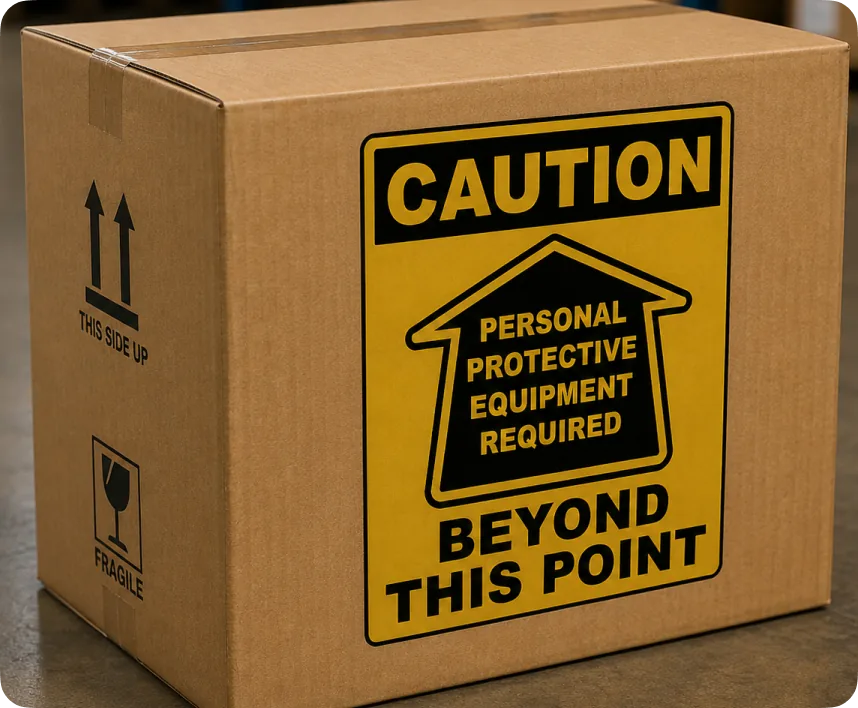
Safety culture is rarely defined by the thick manuals sitting in an office; it is defined at the physical threshold where the yellow sign meets the warehouse floor. A bright yellow sign reading “Caution: Personal Protective Equipment Required Beyond This Point” is a universal signal that a visitor or employee is moving from a low-risk office environment into an active industrial zone.

This boundary is a critical control point. In a busy facility, this sign acts as a mental reset for the workforce, ensuring that PPE safety requirements are met before a single foot enters a high-traffic area. When handled correctly, this threshold prevents injuries, reduces liability, and reinforces a shared culture of responsibility.

Enhancing Workplace Risk Visibility

The primary function of a warning sign is to increase workplace risk visibility. In environments like fulfillment centers or manufacturing plants, many hazards, such as noise levels, air quality, or overhead risks, are invisible. A clear, well-placed “PPE Required” sign serves as the eyes for those entering the space.

For visitors and contractors, this visual cue is the first line of defense. In fast-paced sectors, workers can easily fall into “safety complacency,” where they become so used to their surroundings that they forget the risks. A high-contrast sign at eye level interrupts this habit, acting as a mandatory pause button. It reminds everyone that personal protection is not an option; it is a prerequisite for entry.

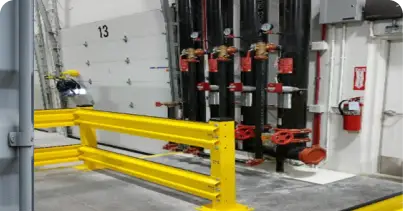
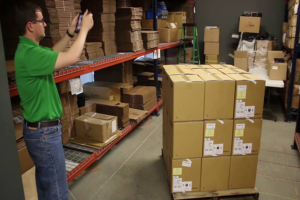
Carton with a yellow CAUTION sign reading Personal Protective Equipment Required Beyond This Point

Compliance with Protective Gear Regulations

Meeting protective gear regulations is about more than just having a box of earplugs or a stack of vests near the door. It requires a disciplined approach to the quality and fit of the equipment provided. A common failure in many facilities is the “one-size-fits-all” approach, which often leads to workers bypassing equipment because it is uncomfortable or hinders their movement.

To truly comply with correct regulations, management must ensure that:

  • Fit is Priority: Gear that doesn’t fit correctly doesn’t protect correctly. Oversized vests can get caught in machinery, and loose goggles don’t protect against splashes.
  • Condition is Monitored: Every item of PPE has a shelf life. Hard hats that have taken an impact or vests with faded reflective strips must be decommissioned immediately.
  • Accessibility is Constant: If the PPE isn’t at the door, people won’t wear it. The storage for gear should be as prominent as the sign itself.

The Role of a Safety Audit with Photo Evidence

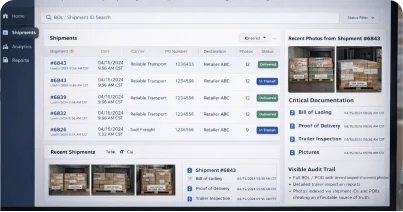
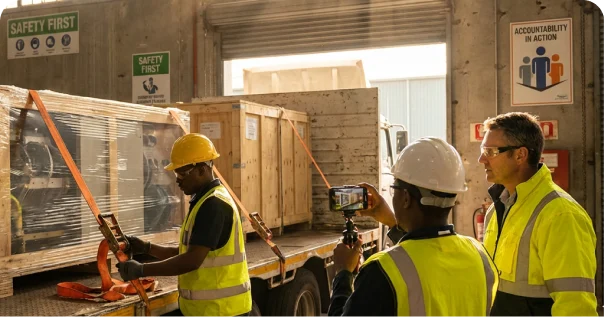
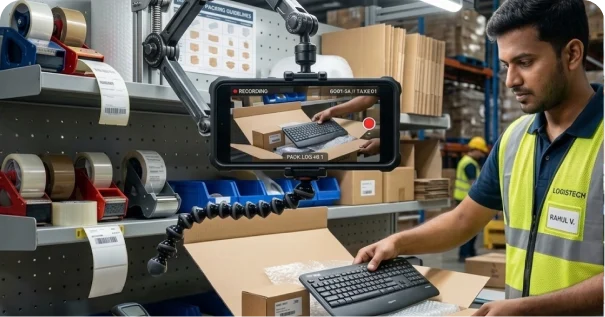
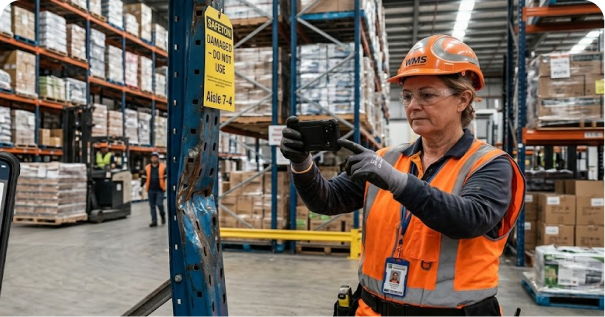
One of the most significant shifts in modern logistics is moving from “manual checklists” to “visual verification.” Traditional safety logs are easily faked or forgotten. However, conducting a safety audit with photo evidence transforms compliance from a chore into a transparent, data-driven process.

By capturing timestamped images at entry points, managers can prove that PPE safety requirements were met in real time. This “Visual Proof” model offers several advantages:

  1. Instant Accountability: Workers are much more likely to follow protocols when they know a visual record is being created.
  2. Simplified Audits: When a regulatory inspector asks for proof of your safety culture, a folder of dated photos showing compliant entry is far more powerful than a signed piece of paper.
  3. Training Material: Photos of perfect compliance can be used in orientation meetings to show new hires exactly what is expected of them before they cross the yellow line.

Maintenance and Placement Best Practices

To maintain the highest logistics safety standards, the upkeep of your signage and gear must be part of your daily routine. Signs that are dirty, faded, or falling off the wall send a message that safety is a secondary concern.

  • Strategic Placement: The “PPE Required” sign must be placed at chest-to-eye level exactly where the floor color changes or the door opens.
  • Replacement Cycles: Schedule a “gear refresh” every quarter. Even if equipment looks okay, materials like plastic and foam degrade over time.
  • Visibility Audits: Walk through your facility once a month specifically to check workplace risk visibility. If you can’t see the warning sign from 20 feet away, it needs to be moved or brightened.

Conclusion: Making Safety a Visible Action

At the warehouse entry point, a yellow sign speaks of discipline and awareness. When backed by clear protective gear regulations and verified through a safety audit with photo evidence, it becomes an unbreakable pillar of your operation.

Safety should never be left to memory or assumption. By enforcing strict PPE safety requirements at the door and recording that compliance visually, you build a safer, more reliable supply chain. Before crossing that point, the expectation is simple: pause, gear up, and make safety visible.

Share this Article
Dive Deeper