























OUR BLOG
Lithium Battery

Lithium Battery Shipping: Labeling & Safety Best Practices for Compliance

A lithium battery is not just an electronic component; in the world of logistics, it is a high-energy density fuel source. Today, the demand for lithium-ion power is at an all-time high, but so is the risk to the global supply chain. Because these power sources are highly volatile under pressure, adhering to strict dangerous goods labeling requirements is the only way to ensure cargo reaches its destination without a catastrophic safety incident.

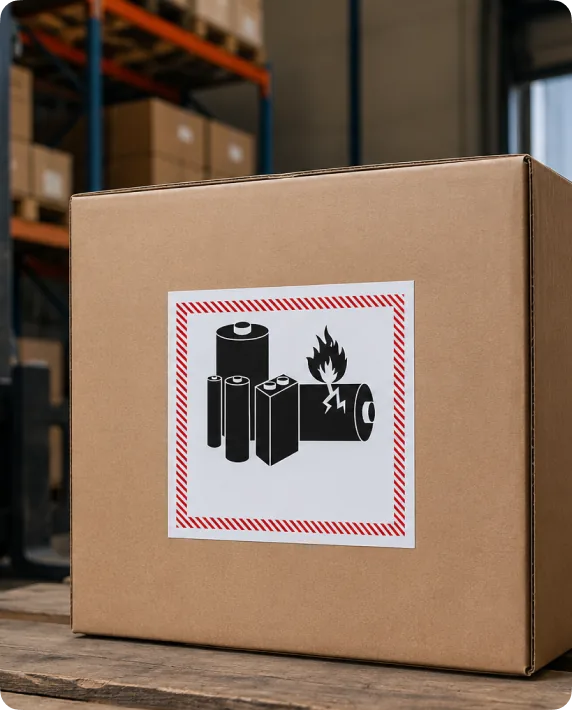
A single damaged or short-circuited battery can trigger a “thermal runaway” event, a self-sustaining chemical fire that is notoriously difficult to extinguish. Preventing thermal runaway in transit is now the top priority for facility managers and airline safety officers alike. The Lithium Battery Handling Mark, with its distinctive red-hatched border, is your first line of defense. It isn’t just a sticker; it is a vital communication tool that tells every handler in the network: “This package contains energy that requires special attention.”

Here is your guide to best practices for shipping lithium batteries and compliant labeling.

1. Inner Packaging Standards for Risk Mitigation

Safety starts inside the box before the first label is even applied. Even a perfectly marked package is a hazard if the internal contents are poorly stabilized. When shipping lithium batteries, the goal is to eliminate the two primary triggers of fire: short circuits and physical impact.

  • The 30% Rule (State of Charge): For air transport, standalone batteries must not exceed a 30% State of Charge (SoC). This is a cornerstone of fire safety in air cargo, as a lower charge significantly reduces the intensity of a fire if a thermal event occurs.
  • Terminal Insulation: Exposed terminals are the primary cause of in-transit fires. Use non-conductive tape, individual plastic sleeves, or protective caps to ensure terminals cannot touch other batteries or metal surfaces.
  • Immobilization: Batteries should be snug within the outer packaging. Use dividers or high-density cushioning to prevent shifting during turbulence or rough handling, which can lead to internal cell damage.
Carton with a lithium battery handling mark inside a red hatched border

2. The Rules of Visibility: Dangerous Goods Labeling Best Practices

In a fast-moving distribution center, a label that isn’t instantly visible is a label that doesn’t exist. To ensure a shipment is handled with the necessary caution, your labeling protocol must be flawless.

  • The Flat-Surface Rule: Never wrap a lithium battery mark around a corner or over a box seam. This distorts the graphics and makes the emergency contact information unreadable for both human eyes and automated scanners.
  • Zero Obstructions: Ensure no packing tape, shipping pouches, or plastic strapping covers any part of the red-hatched border. For a label to be legally compliant, the entire border must be visible and unobstructed.
  • Adhesion and Environment: Warehouse floors are often dusty or humid. Apply labels only to clean, dry surfaces. A label that peels off in a humid cargo hold leaves a shipment unidentified, “frustrated,” and potentially dangerous to the flight crew.

3. Accountability Through Visual Documentation

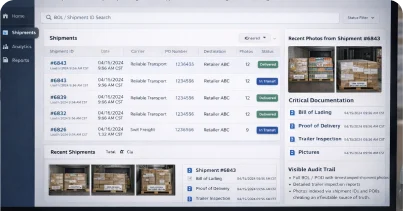
The greatest weakness in most logistics operations is a lack of proof. If a shipment arrives damaged or is rejected by an airline, the facility is often left with no way to prove they followed the rules. To strengthen your fire safety in air cargo protocols, you must implement a “Visual Verification” system.

By capturing a high-resolution, time-stamped photo of the package before it is sealed, you create an irrefutable digital record. The photo should clearly show the internal insulation and the final placement of the dangerous goods labeling. This digital audit trail is your best defense against liability disputes and the massive fines associated with non-compliant battery shipments.

The Strategic Business Impact of Compliance

Following best practices for shipping lithium batteries protects more than just the aircraft; it protects your bottom line. Missing or incorrect labels create a “blind spot” in the logistics chain that leads to several high-cost failures:

  • Financial Protection: Regulatory penalties for mislabeled lithium batteries are severe, often reaching tens of thousands of dollars per violation. Proper labeling, backed by photo evidence, is a simple way to avoid these “hidden costs.”
  • Operational Flow: “Frustrated cargo”, shipments held by customs or rejected by airlines, stalls your facility’s movement. Proper prep ensures your shipments stay fluid and your customers remain satisfied.
  • Worker Safety: Disciplined labeling ensures that handlers know to keep these packages away from heat sources and handle them with the specific caution required for Class 9 materials.

Conclusion

The Lithium Battery Handling Mark may appear simple, but its role is massive. It bridges the gap between what is inside a package and how it is treated throughout its journey across the globe. When you combine proper charge control, terminal protection, and high-visibility labeling, you create a powerful safeguard against preventing thermal runaway in transit.

In a supply chain where speed often takes priority, this label serves as a critical reminder: some shipments demand attention, not just acceleration. By treating every battery shipment with professional discipline, you protect your team, your brand, and the integrity of the global air network.

Share this Article
Dive Deeper