













OUR BLOG
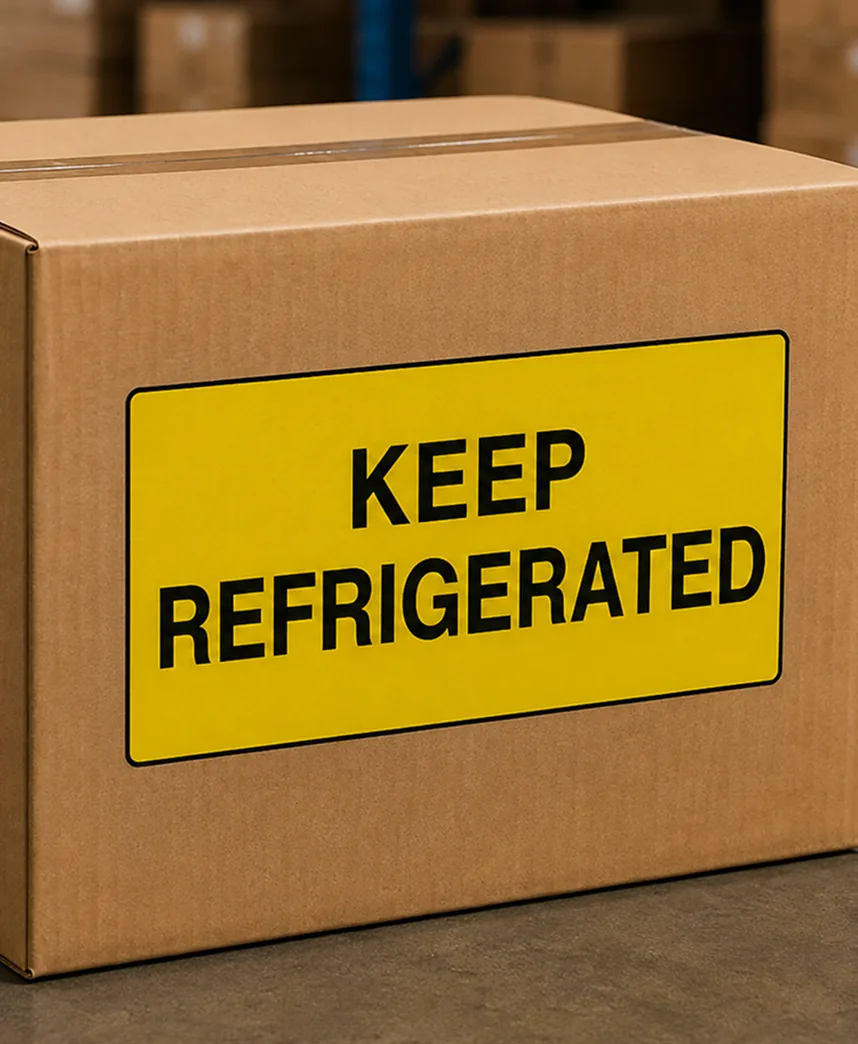
Keep Refrigerated label

Simple Guide to Refrigerated Shipping & Cold Chain Integrity

When you see a bright yellow “Keep Refrigerated” label on a shipping dock, you aren’t just looking at a sticker, you are looking at a countdown. In the world of logistics, getting a package from one place to another is only half the battle. The real challenge is making sure the product inside stays at the right temperature every second of the way. If a chilled shipment sits out on a warm loading dock for too long, the quality can drop instantly. This is why maintaining cold chain integrity is a team effort that requires everyone to pay attention to the details.

Whether you are shipping life-saving medicine, fresh food, or sensitive chemicals, the rules for temperature-controlled logistics stay the same. You need a plan that is simple, fast, and easy for every warehouse worker to follow.

The Danger of the "Loading Dock Gap"

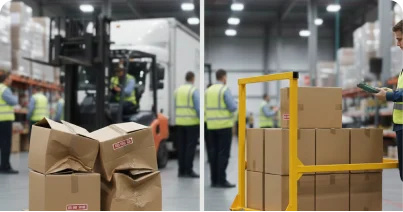
The biggest threat to any refrigerated shipment is what experts call the “staging gap.” This is the short window of time when a pallet is pulled out of a cold warehouse and sits waiting to be loaded onto a truck. Even in a modern building, the air near the large loading dock doors is much warmer than the rest of the warehouse. On a hot summer day, the temperature on a dock can rise 10 or 20 degrees in minutes.

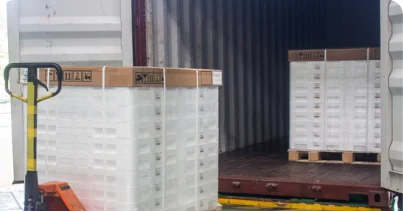
To protect your cargo, you must follow the best refrigerated shipping standards. The most effective method is the “Last-In” rule. This means your team should never pull refrigerated items out of the cooler until the truck is backed up, the doors are open, and the driver is ready. By making chilled goods the very last thing loaded onto the trailer, you minimize the time they spend in the “danger zone” of the warm dock air. This small change in timing is the easiest way to ensure perishable goods handling stays safe and professional.

Making Labels Work for the Team

A label is a set of instructions, but it only works if people can see it clearly while they are working fast. In a busy warehouse with forklifts moving and pallets stacking up, a single sticker on the top of a box is easily missed. To make your refrigerated shipping standards more effective, use these three simple labeling steps:

  • The Two-Side Rule: Always place the “Keep Refrigerated” label on at least two opposite sides of the pallet or box. This ensures that no matter how a forklift driver approaches the load, they can see the yellow warning immediately.
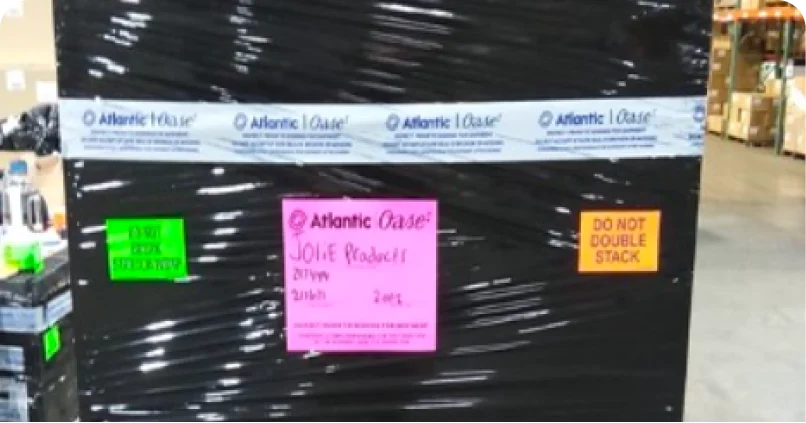
  • The Wrap Trap: A common mistake is placing labels under thick plastic stretch wrap. The glare of warehouse lights on the plastic can make it impossible to read the text. Always apply the label as the final step, placing it on the very outside of the wrap so it stays visible and bright.
  • High Contrast: Use labels with bold, black text on a bright yellow background. This color is the universal signal for “caution” and “refrigeration.” If a label is covered by clear packing tape or other shipping marks, its message is weakened. Keep the area around the label clean and clear.
Carton with a large yellow KEEP REFRIGERATED label

Proving the Job Was Done Right

In temperature-controlled logistics, it is very common for different companies to blame each other if a shipment arrives ruined. The warehouse blames the truck driver, and the truck driver blames the warehouse. The best way to stop this “blame game” is to have visual proof.

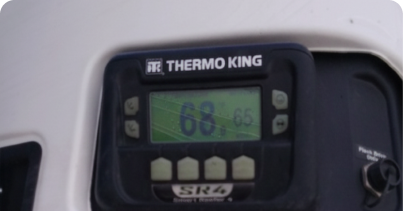
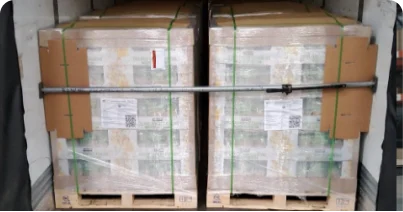
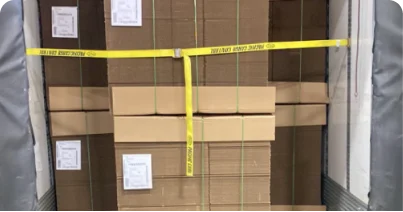
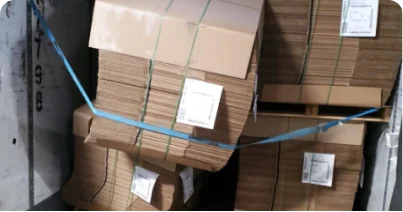
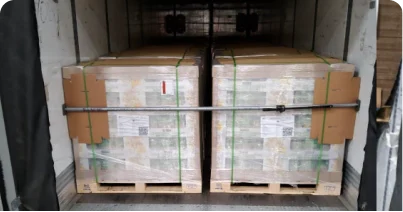
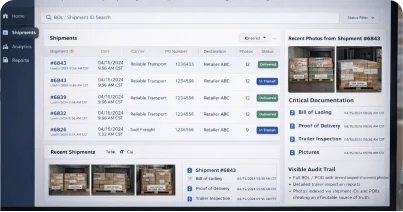
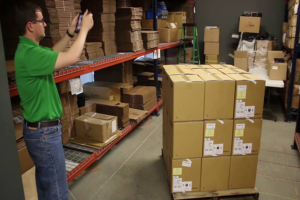
Before the truck pulls away, have a team member take a quick photo of the shipment inside the trailer. This photo should show the “Keep Refrigerated” label right next to the truck’s temperature display. This creates a “digital receipt” that proves your team maintained cold chain integrity up until the moment the doors were closed. This documentation is a vital part of modern perishable goods handling because it protects your business from being blamed for mistakes made on the road.

Training for a Culture of Safety

At the end of the day, a label is only as good as the person handling the box. Success comes down to training your team to respect the “Yellow Signal.” When every worker knows that a yellow label means “move this now,” your efficiency goes up and your waste goes down.

Standardizing your refrigerated shipping standards doesn’t have to be complicated. It starts with simple habits: keep the product in the cooler as long as possible, make the warnings impossible to miss, and take a photo to prove the work was done correctly. By focusing on these basics, you ensure that every shipment arrives exactly as the customer expects, fresh, safe, and at the perfect temperature.

Share this Article
Dive Deeper