





OUR BLOG
Inspect for Damage Before Accepting

Warehouse Receiving Best Practices: Freight Inspection and Proof of Delivery Photos

In warehouse and logistics operations, some of the most expensive mistakes happen in the first few seconds of receiving. A shipment arrives, the dock is busy, and the team moves freight quickly without stopping to complete a proper receiving dock inspection. Later, the damage report comes in, and what started as a small issue has become a claim problem, a customer problem, and a proof problem.

That is the real flaw in many receiving protocols. We rely on passive reminders in a fast-moving dock environment. A printed label can say “Inspect for Damage Before Accepting,” but a label alone does not create action. If the process is chaotic, warnings are easy to miss and easy to ignore. To reduce receiving damage risk, the process needs to be both physical and digital.

Why the Receiving Dock Is a Control Point

The receiving dock is one of the most vulnerable points in the supply chain. It is where responsibility changes hands, and where damage can either be caught early or missed entirely. Once freight is signed for without inspection, the burden of proof becomes much harder to carry.

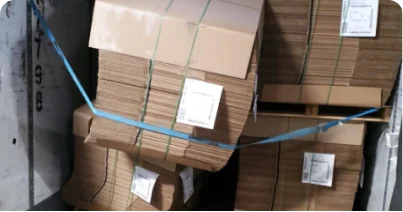
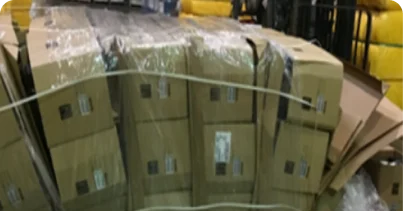
A torn carton may not seem serious in the moment. A broken seal may look minor. But those signs often point to a bigger issue inside the load. When teams move too quickly, they do not just risk damage. They risk losing the ability to prove when and how that damage happened. That is why a disciplined freight inspection process matters so much.

Physical Defense That Gets Noticed

A strong receiving process starts with a warning that cannot be overlooked. Instead of relying on a small sticker or a verbal reminder, the instruction should be highly visible and impossible to miss. This is one of the most practical warehouse receiving best practices for busy operations.

Best Practice 1: Use Prominent Warning Labels

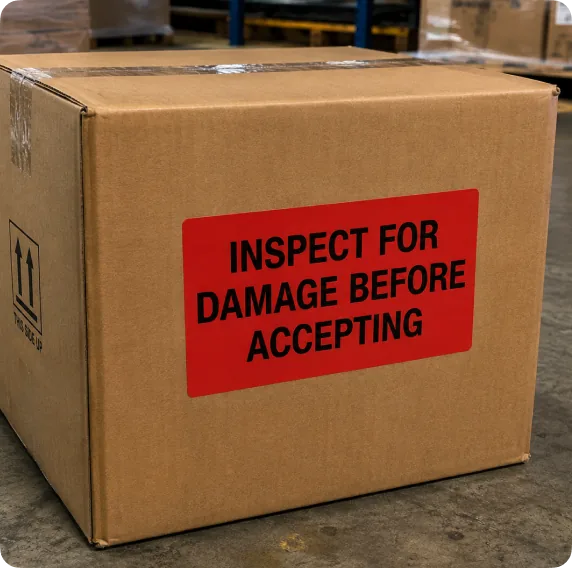
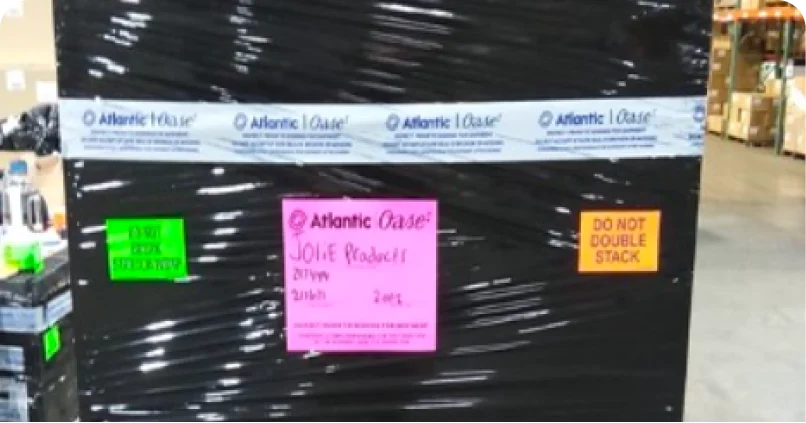
Place a large, high-contrast label such as “Inspect for Damage Before Accepting” directly on the shipment where the receiver will see it immediately.

This creates an immediate visual cue at the moment of decision and slows the receiving process just enough to trigger inspection. A clear label supports a better receiving dock inspection process because it forces attention at the right moment.

Carton with a red INSPECT FOR DAMAGE BEFORE ACCEPTING label

Best Practice 2: Reinforce the Warning Through Handling Discipline

A label is most effective when the team treats it as part of the receiving standard, not as decoration. It creates consistency across shifts and sites and helps dock staff recognize that this freight needs special attention.

When the process is built well, inspection becomes automatic. The receiver knows to stop, look closely, and verify before signing.

Documentation Is What Gives The Story Weight

Even strong physical warnings are not enough by themselves. That is why the receiving process should also include immediate photo capture whenever damage is visible or suspected.

Best Practice 3: Take a Quick Photo Before Acceptance

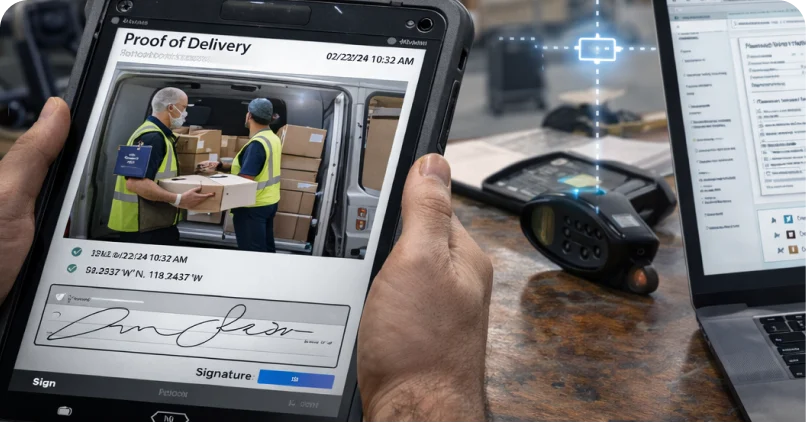
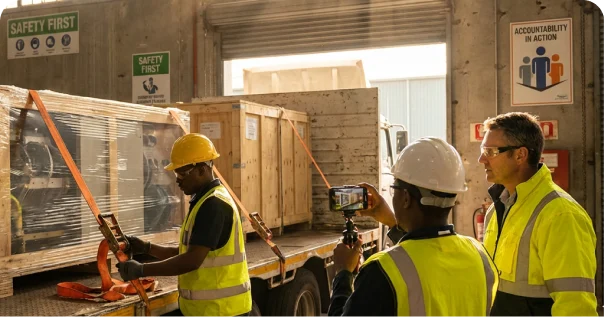
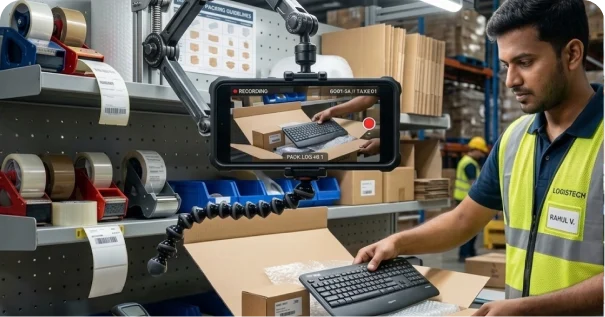
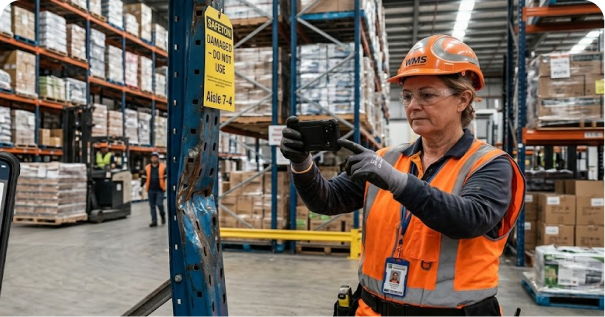
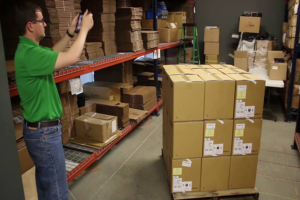
If damage is visible, the receiver should take a quick photo before the shipment is moved or the driver leaves. This creates clear evidence of the freight’s condition at the dock and supports the claim process with time-sensitive proof.

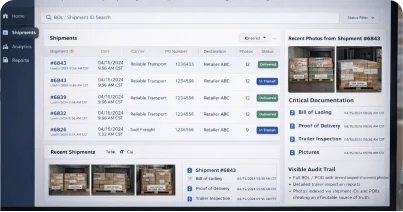
A close-up photo of the damage, paired with a wider shot showing the pallet, shipment ID, and label, gives the claims team a stronger record. These images work as proof of delivery photos and can make a major difference in resolving disputes later

Best Practice 4: Record the Exception Before Signing

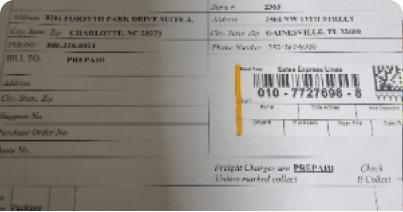
If damage is found, it should be noted clearly on the receipt or delivery paperwork before the freight is accepted. Specific language matters. Instead of writing “damaged,” write what was actually observed — torn wrap, crushed corner, wet carton, broken seal, or exposed product.

Clear notes strengthen the record and reduce disputes later. They protect the receiver’s rights and create a formal record for follow-up.

Better Receiving Starts Here

The best receiving systems do not depend on memory or hope. They depend on repeatable habits that create proof. When teams combine a clear warning label with immediate inspection and photo capture, they reduce the chance of missed damage and strengthen their position if a claim arises.

That is what turns a simple label into an operational control point. It is no longer just a message on a shipment. It becomes part of the way the dock works.

Effective damage prevention at receiving is not about moving faster. It is about acting smarter at the exact moment responsibility changes hands. By combining visible warnings, a consistent freight inspection routine, and immediate proof of delivery photos, warehouse teams can reduce disputes, improve claim recovery, and prevent small damage issues from becoming major supply chain losses.

In a busy dock environment, that small pause before acceptance can save a great deal later.

Share this Article
Dive Deeper