













OUR BLOG
HOT label

Improve Package Handling Safety with Clear “HOT” Shipping Labels

What happens to your shipment after it leaves the dock is no longer in your control, but how clearly you communicate its handling requirements still is.

In high-speed logistics environments, most packages are treated the same unless something forces them to stand out. For shipments that are temperature-sensitive, freshly produced, or chemically reactive, that lack of distinction creates real risk. A standard box, without clear shipping warning labels, is simply processed like any other unit moving through the system.

That’s where a “HOT” label becomes critical. It acts as a clear visual signal that the shipment requires immediate attention and careful handling, supporting better package handling safety at every touchpoint.

Because when a sensitive shipment isn’t clearly identified, the consequences don’t show up immediately, they show up later as damage, delays, or loss.

The Core Challenge: When Speed Replaces Context

Even when products are carefully manufactured, quality-checked, and securely packed, the risk profile changes once the shipment enters a shared logistics network.

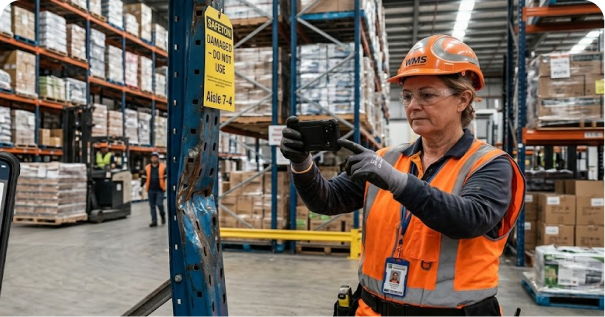
In this environment, decisions are made quickly, often without full context. Without clear condition-sensitive markings, even shipments that require special handling are processed as standard freight.

This becomes especially important for:

  • Recently manufactured or heat-retaining goods
  • Heat-generating components or equipment
  • Chemically reactive or safety-sensitive materials
  • Temperature-sensitive products (including certain food and industrial items)
Steel coil on a wooden pallet marked with a large red HOT label

Without immediate visual identification, these shipments lose priority. Clear shipping warning labels remove guesswork and help ensure they are handled appropriately at every stage.

Industry Insights: data suggests that nearly 30% of transit damage occurs during the “last mile” or during rapid cross-docking operation where handlers have less than three seconds to identify a package’s requirements. Logistics experts note that as automation increases, the “human in the loop” becomes even more reliant on high-contrast visual cues like fluorescent “HOT” labels to override standard automated sorting logic.

Best Practices for Applying “HOT” Labels

Effective labeling is not just about sticking a sticker on a box, it is about placement and consistency to improve package handling safety.

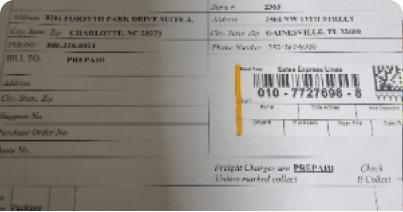
  • Placement for Immediate Visibility: Labels should be positioned where they are immediately seen, ideally near shipping IDs or handling instructions.
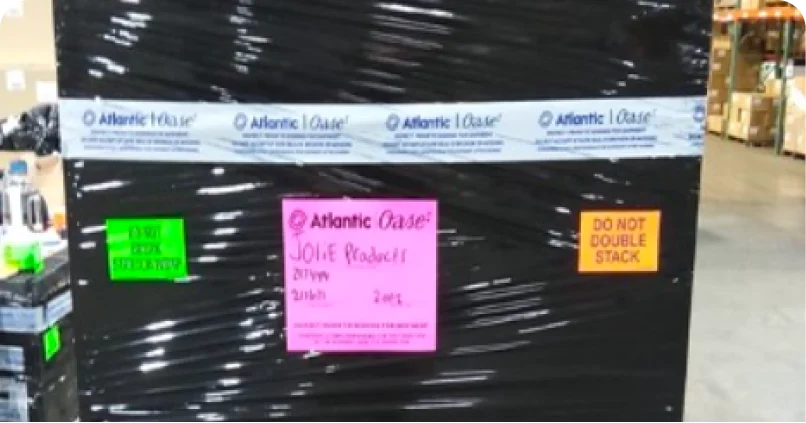
  • Multi-Side Application: For larger cartons or pallets, visibility must be maintained from different angles. Applying shipping warning labels on at least two opposing sides ensures the warning remains visible regardless of how it is stacked.
  • Surface Preparation: Labels stick best to clean, dry, and smooth surfaces. Dust or moisture can make labels fall off, which ruins your condition sensitive cargo marking strategy.
  • Do Not Rely on One Signal: Labeling should be reinforced with digital records or paperwork. This ensures handling sensitive shipments remains a priority at every stage of the journey.

What Happens When Warning Signals Are Missed

When communication breaks down, the impact extends beyond a single shipment:

  • Product loss: Exposure or mishandling damages goods
  • Operational delays: Investigations and reshipments disrupt workflows
  • Safety risks: Improper handling of reactive materials increases hazards
  • Customer impact: Damaged deliveries reduce trust and increase costs

Clear shipping warning labels are one of the simplest ways to reduce these risks before they escalate.

Final Consideration: Visibility as Control

Prevention is always much better than trying to fix a mistake. A clearly visible “HOT” label is a critical tool that reduces confusion. When you use a clear condition sensitive cargo marking, you support package handling safety, reduce damage claims, and build stronger customer confidence.

Risks that are not visible are not managed. High visibility is the key to keeping your shipments safe and your operations predictable.

Share this Article
Dive Deeper