











OUR BLOG
Glass With Care Label

Fragile Cargo Handling: Using Photos to Prove Compliance

We often think of our work in terms of pallets and SKUs, but for the customer, that box represents a long-awaited purchase. Imagine the disappointment of opening a delivery to find broken shards. To them, sortation speed doesn’t matter; only the condition of the product does.
As professionals, our job is to bridge the gap between a busy warehouse and a satisfied doorstep by “protecting promises.” While we focus on high-level logistics operations, success is built on the loading dock. Usually, fragile items fail due to process inconsistencies, not the product itself.

That “Glass With Care” Sticker Isn’t Just a Label

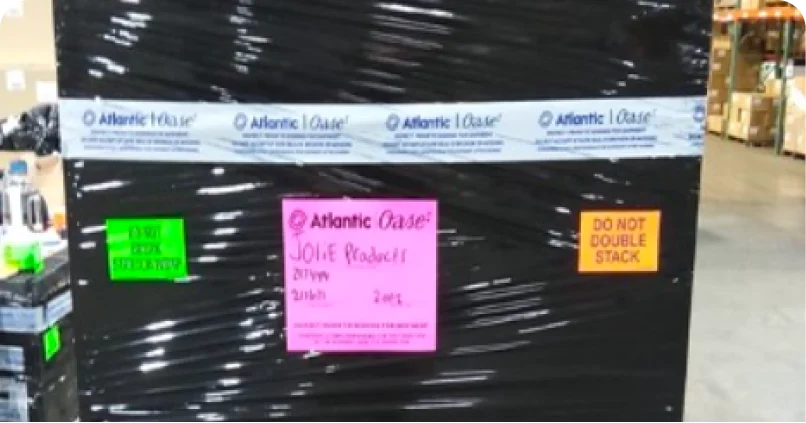
On the floor, everyone knows the bright “Glass With Care” sticker. It’s easy to treat it as just another label, but it is actually a primary communication tool. It tells every person in the chain—packer, loader, and driver—that this item needs extra attention. However, a sticker alone won’t prevent damage. If the packaging is weak or the handling is rushed, no label can save the shipment.
Glass With Care Label

Packaging: The First Line of Defense

Most damage originates at the packing table long before the truck arrives. Effective warehouse management is defined by this attention to detail:
  • Individual Wrapping: Wrap each item separately in multiple layers of protective material to ensure shock absorption and prevent direct surface contact between items.
  • The Double-Box Method: This technique provides a vital secondary defense. Place the wrapped item in a snug inner box, then nestle that inside a larger outer box. Fill the gap completely with cushioning to eliminate internal movement.
  • The “Shake Test”: A simple rule for fragile cargo handling: if a packed box allows any movement when gently shaken, it isn’t ready for the truck. Even minimal shifting during transit leads to breakage.

Loading Dock Execution: Where Precision Matters

Packaging alone doesn’t guarantee safety; handling at the loading dock is equally vital. Fragile shipments must be treated as “controlled loads” from the moment they leave the packing bench.
Wherever possible, items should stay upright to ensure even weight distribution and reduce stress on vulnerable points. Pallet stability is non-negotiable; cartons must function as a single, secure unit. Any imbalance increases the likelihood of shifting during transit vibrations or sudden braking. Operational failures usually stem from these minor inconsistencies during high-volume shifts.

Photo Documentation: Strengthening Visibility

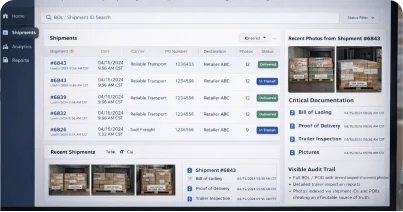
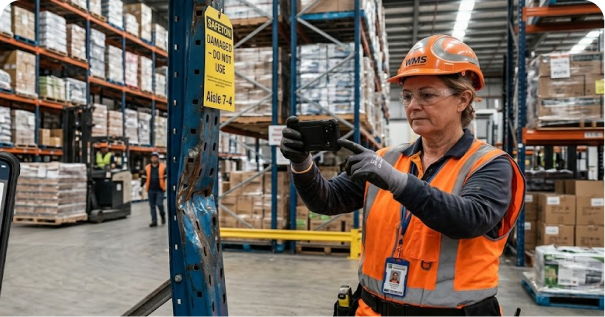
The real game-changer for modern logistics operations is simple: start taking pictures. The moment a shipment leaves your dock, you lose physical control. When a customer reports breakage, the “blame game” begins.
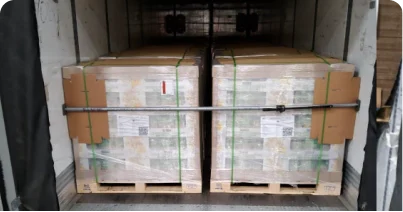
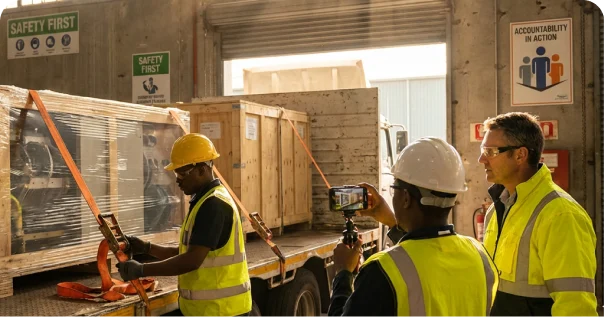
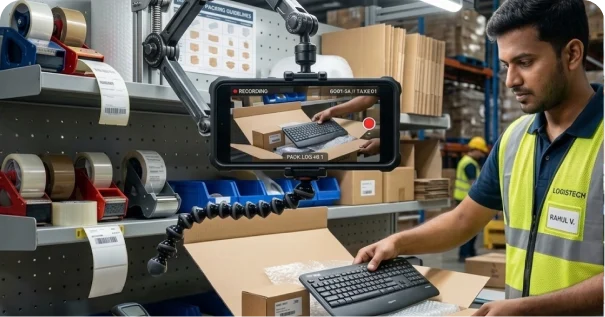
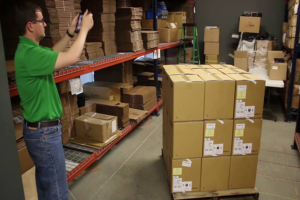
By implementing a quick photo documentation step at the outbound station, you create an indisputable record. Capture:
  1. Internal Packing: Proving the cushioning was sufficient.
  2. The Sealed Exterior: Verifying that “Glass With Care” labels and tape were applied correctly.
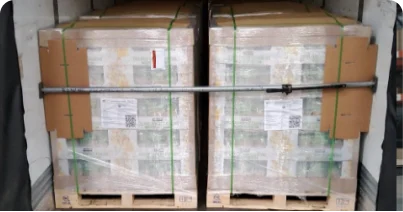
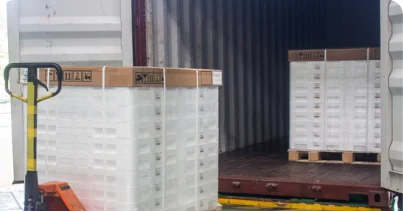
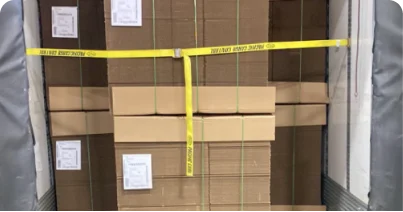
  3. The Loaded Pallet: Documenting how the load was secured before the trailer door closed.
This builds a culture of accountability. When the team knows the “final state” of the package is recorded, they naturally take more pride in the pack job, ensuring that fragile cargo handling standards are met every single time.

Conclusion

At the end of the day, logistics is a team sport. Every label and layer of wrap serves as a direct set of instructions for the next person in the chain. When we take those extra ten seconds to wrap a bottle correctly or snap a quick photo, we aren’t just protecting “stuff”, we’re protecting our workflow and our reputation. By making photo documentation our standard, we move from guessing to knowing. Let’s look out for each other, stay safe out there, and keep it moving carefully.
Share this Article
Dive Deeper