


OUR BLOG
Freeze upon Arrival

How to Prevent Cold Chain Failures at the Dock

If you are in the business of shipping food, pharmaceuticals, or high-value chemicals, you already know that the loading dock is a danger zone. You can spend thousands of dollars on the best insulated packaging and high-end gel packs, but once that pallet leaves your facility, you are essentially flying blind. In the complex world of cold chain management, the hand-off is where everything usually falls apart.

The moment your product hits the receiver’s dock, the clock starts ticking. If that box isn’t identified and moved to a cooler immediately, the ambient temperature begins to win. This is why the “Refrigerate Upon Arrival” or “Freeze Upon Arrival” label is the most critical element. It’s not just a suggestion; it is a loud, clear command intended to interrupt a busy warehouse worker’s routine and force them to prioritize your freight.

The High Cost of a Labeling Failure

When labels fail, the damage to your business isn’t just a lost box, it’s a ripple effect that hits your reputation and your revenue. If a worker doesn’t see the warning because it’s buried under layers of shrink wrap or placed on the bottom of a pallet, they will treat it like dry goods. They might leave it in a 90°F staging area for three or four hours.

By the time someone notices the error, the product has spiked in temperature, the shelf life is gone, and you’ve lost the shipment. But the pain doesn’t stop there. Without clear proof that the shipment was labeled correctly, the receiver will blame you, and the carrier will deny any claim. You end up eating the cost of the product, the shipping fees, and the labor to redo the order. This is why logistics liability protection is so important; you need a system that proves you did your part correctly before the spoilage happened.

Wooden crate on a pallet with a large yellow REFRIGERATE UPON ARRIVAL label

Why Labels Alone Aren't Enough

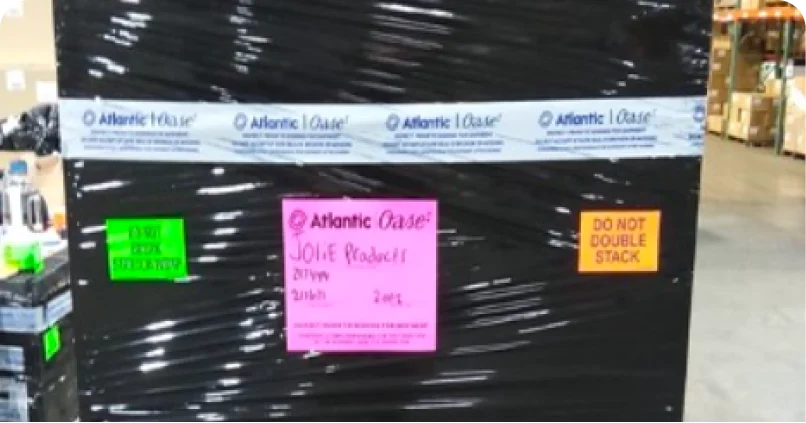
In a fast-paced warehouse, labels can easily become “background noise.” Workers see hundreds of stickers a day. To make temperature-sensitive shipping successful, you have to make the label impossible to miss. Standard best practice is to place the “Refrigerate” or “Freeze” sticker on at least three sides of the unit, always outside the stretch wrap.

However, even perfect labeling can be ignored. This is where many businesses fail at perishable goods handling. They assume that because they put a sticker on a box, the receiver will follow the instructions. In reality, you need a way to hold the carrier and the receiver accountable. You need a “digital receipt” of the shipment as it looked when it left your dock.

Building a "Digital Paper Trail"

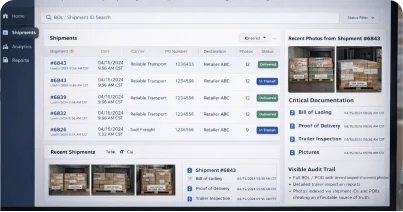
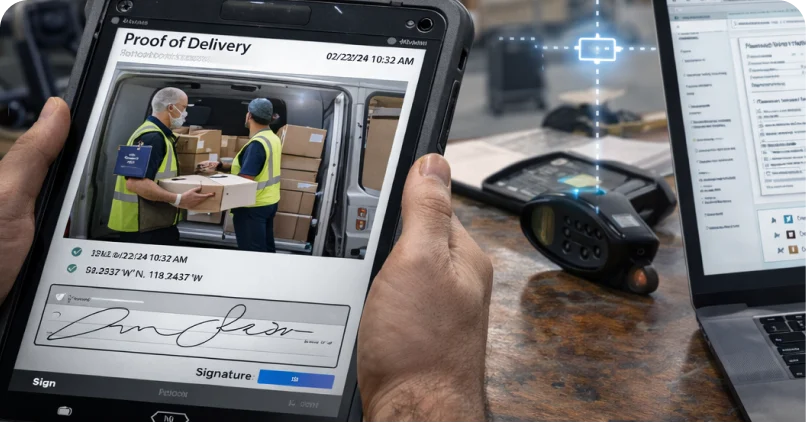
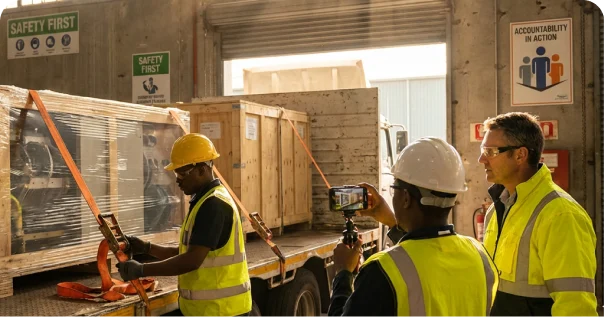
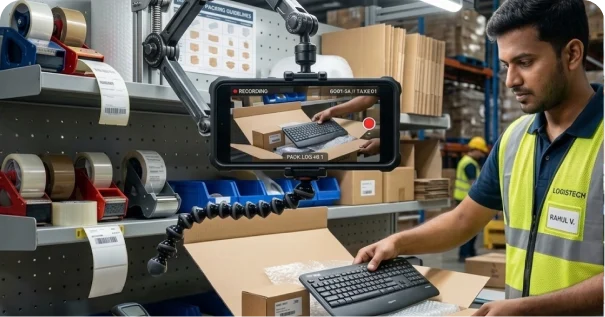
The only real way to secure your logistics liability protection is through photo documentation. Before the trailer door closes, your team should be snapping high-quality photos of the pallet. These photos serve as timestamped evidence that the correct labels were visible, the packaging was intact, and the instructions were clear.

If a customer calls three days later to complain about spoiled goods, you don’t have to guess what happened. You pull up the photo. If the photo shows the “Freeze Upon Arrival” label was clearly visible on the side of the box, the fault lies with the receiver’s handling process, not your shipping department. This documentation turns a long argument into an open-and-shut case.

The Bottom Line: Protect Your Profits

Effective cold chain management is about more than just keeping things cold; it’s about managing the risk of human error. Every time you ship a temperature-sensitive item, you are taking a gamble on the person at the other end.

By using bold, clear labels and backing them up with photo proof, you are creating a fail-safe for your temperature-sensitive shipping operation. You are ensuring that if a mistake happens, your business isn’t the one left holding the bill. A label tells them what to do, but a photo proves you told them. In this industry, that proof is the difference between a profitable month and a massive loss. So, use the labels, take the photos, and build a wall of documentation that protects your team and your bottom line.

Strapped wooden crate marked with a yellow FREEZE UPON ARRIVAL label
Share this Article
Dive Deeper