



OUR BLOG
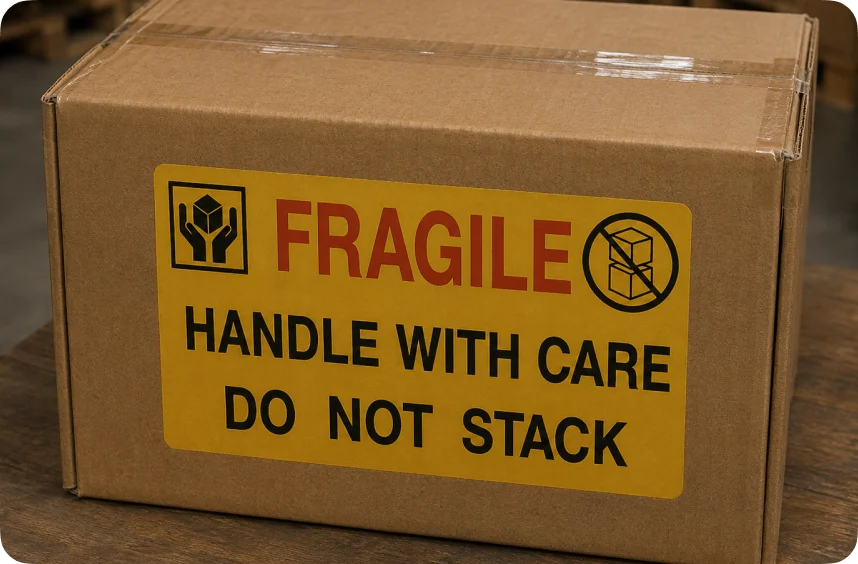
Fragile, Handle with Care, Do Not Stack Label

5 Best Practices for Safe Transit of Fragile Products

When a box is marked “Fragile,” it means the item inside is easy to break. If a worker drops it or stacks something heavy on top, the product is ruined. Keeping these items safe is about more than just a sticker. It is about using the right fragile shipping solutions to make sure the customer gets what they paid for.
Shipping delicate items is a big part of safe transit for sensitive goods. If a machine or a glass part arrives broken, it costs the company money and makes the customer angry. Following a few simple steps helps everyone do their job better.

The “Do Not Stack” Rule

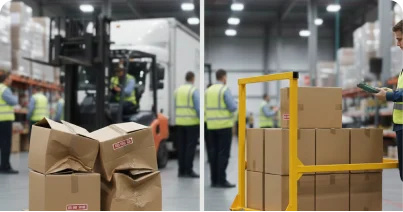
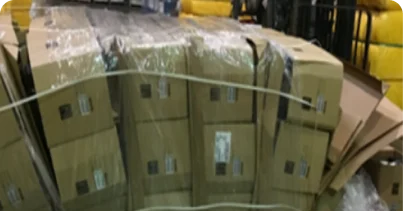
The biggest cause of broken items is putting too much weight on top of a box. Even a strong box can crush if three heavy boxes are piled on it. This is why damage prevention in logistics is so important.
  1. Compression Stress: Studies show that stacked boxes even with fragile labels can experience up to 150% more force than single layer loads.
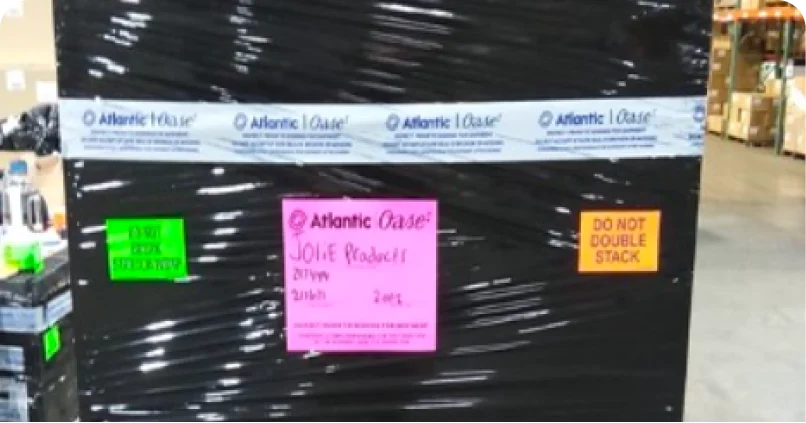
  2. Pallet Management: Always request “top load only” or “no stacking.” Top loading keeps items free from vertical pressure and ensures safe transit for sensitive goods by preventing accidental crushing during transit.
Fragile, Handle with Care, Do Not Stack Label

Use better padding inside the box

The box is only as good as the padding inside. To keep things safe, use protective packaging techniques that stop the item from moving.
  1. There should be at least two inches (5 cm) of space between the item and the walls of the box. 
  2. Do not use crumpled newspaper because it gets flat too easily. Instead, use bubble wrap or foam. 
  3. Give the box a gentle shake after packing; if the item rattles or moves inside, it needs more padding to stay safe.

The “Box in Box” Trick

For highly sensitive or expensive items such as electronics or medical instruments, over boxing is a standard part of fragile shipping.
  1. Securely pack the item in a small, well padded box.
  2. Place the smaller box inside a larger shipping box.
  3. Fill the gap with at least two inches of shock absorbing materials.
This gives the item two layers of protection. It is much harder for a bump or a drop to break something when it is double-boxed.

Strategic Labeling and Visibility

Labels are only effective if handlers notice them. Integrating visibility into your protective packaging techniques is key to reducing human error.
  1. Place “Fragile” and “This Side Up” labels on all sides of the package.
  2. Use high contrast colors, such as bright yellow or red, to catch attention in dimly lit warehouses.
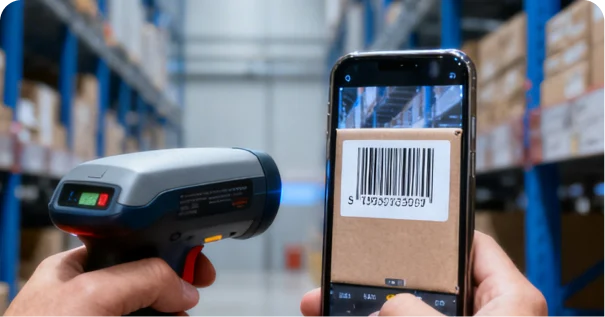
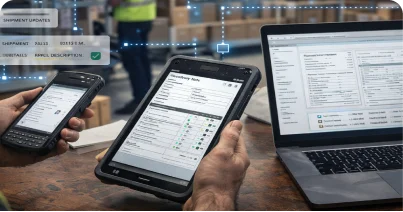
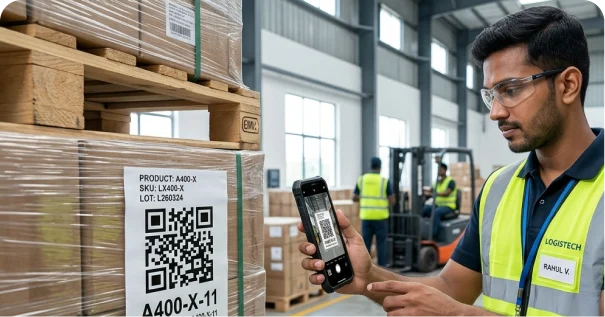
  3. For high volume operations, consider barcode linked instructions so scanning confirms handling requirements automatically.

Photo Documentation: Protecting Revenue

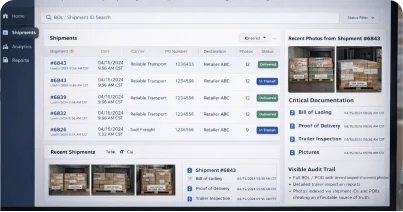
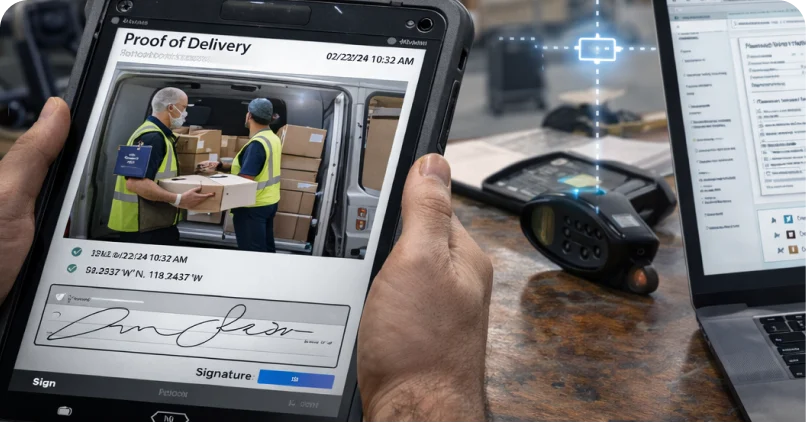
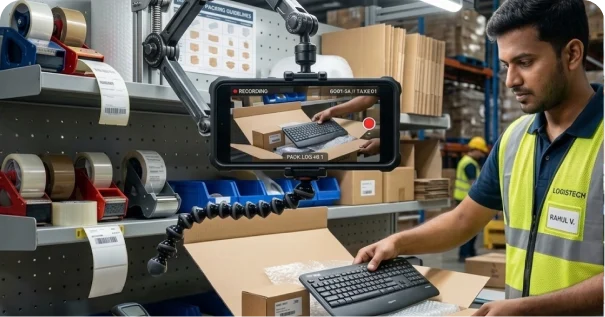
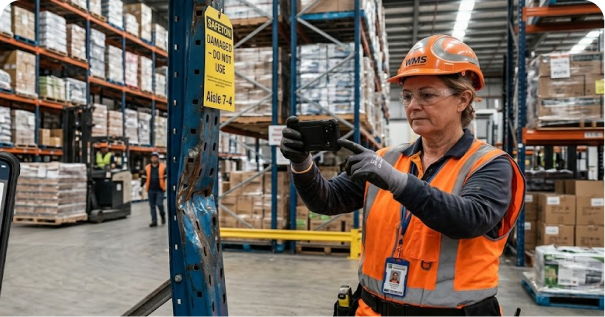
Even the best fragile shipping solutions cannot prevent every accident. This is where photo documentation becomes a vital component of damage prevention in logistics.
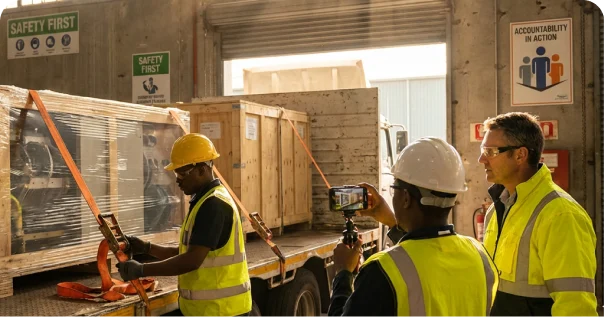
  1. Proof of Condition: Capture high quality photos before packing, after packing, and before dispatch.
  2. Dispute Prevention: If an item arrives broken, having photos with a clear timestamp helps resolve claims quickly by proving the product was packed in perfect condition.
  3. Operational Insights: Reviewing photos of damaged items helps find patterns where the packaging failed, making it easier to fix the process and stop the same mistake from happening again.

Closing Thoughts

Effective fragile shipping is not just about preventing immediate damage,it’s about creating a system that anticipates risks at every stage of the delivery. Proper internal cushioning, over-boxing high-value items, and following “Do Not Stack” guidelines all protect the product physically.
Strategic labeling and high-visibility instructions reduce human error during handling, while consistent photo documentation provides proof of condition and helps quickly resolve disputes. Together, these practices build a culture of accountability, minimise revenue loss, and strengthen customer trust, turning a well-executed fragile shipment solution into a competitive advantage for your business.
Share this Article
Dive Deeper