






OUR BLOG
Fragile Do not double stack

Fragile Freight Handling: Prevent Damage with Photo Proof

Some shipments need a little extra care, and fragile packages are at the top of that list.

These are the kinds of goods that can crack, break, or get damaged easily in transit, which means they require the right packaging and handling from the start. Think glassware, ceramics, electronics, musical instruments, and fine art—all of them depend on careful preparation to arrive safely.

When it comes to fragile freight handling, the goal is simple: get it there in one piece.

The shortcomings in typical verification

Traditionally, many warehouses, a fragile label or handling flag is still the main line of defense. On paper, that seems enough. In real warehouse operations, though, labels can get covered, missed, or ignored when trailers are being loaded quickly.

The bigger issue is that once the pallet leaves the dock, the shipper loses control of the narrative. If the freight arrives damaged, the shipping team is often assumed to be at fault. Without clear proof, it becomes difficult to defend your process and reduce supply chain risk.

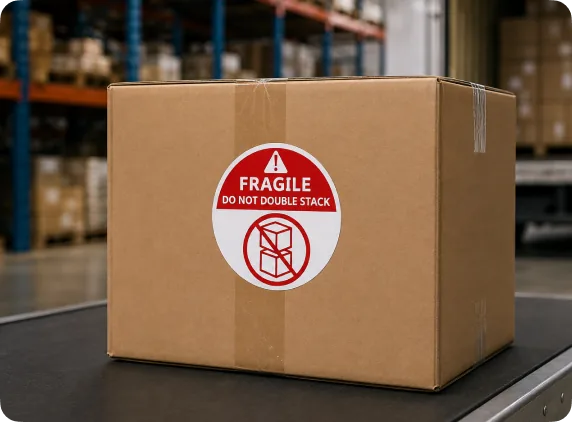
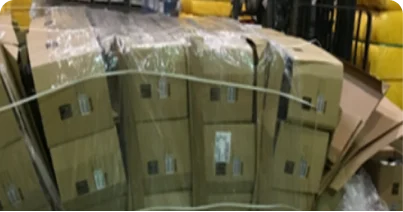
Carton with a round red FRAGILE DO NOT DOUBLE STACK label

The Solution: “Label and Snap” Technique

A stronger approach is to combine clear labeling with quick photo documentation. This creates a simple process that gives both a visual warning and a record of how the load left the facility.

Step 1: Strategically position the warning

“Fragile” is a request. “Do Not Double Stack” is an instruction.

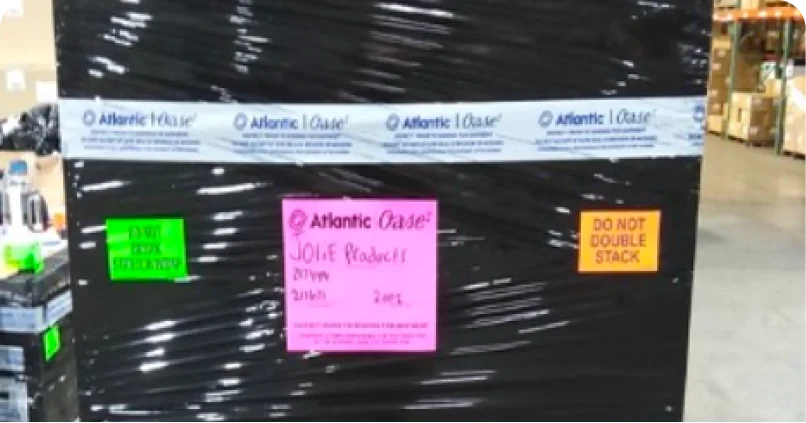
That instruction should be impossible to miss. One of the most effective methods is the corner-wrap placement, where the label is applied across the vertical edge of the pallet. This keeps it visible from both the front and side, which helps ensure dock staff and forklift operators see it right away.

Step 2: Document the Visual Evidence

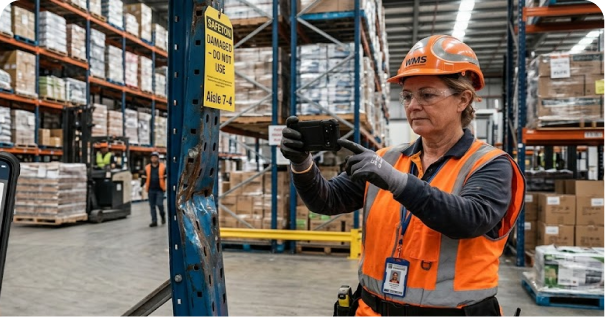
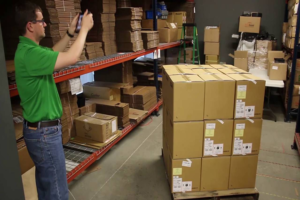
A label communicates intent, but a photo provides proof. To strengthen your defense against damage claims, capture these three elements in one frame:

  • The Warning Visibility: A clear shot of the “Fragile Do Not Double Stack” label on the pallet.
  • The Pallet Condition: Proving the load was professionally wrapped, secure, and ready for transit.
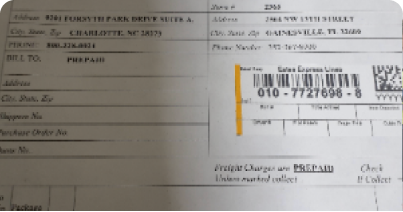
  • The Order ID: Including the shipping label in the shot to tie the evidence to the specific shipment.

That image becomes your visual record if a damage claim comes in later. In practice, pallet photo proof gives your team something concrete to point to instead of relying on memory or assumptions.

Why this makes your job easier

This kind of process is not about adding work. It is about removing guesswork and mitigating supply chain risk by eliminating “he-said, she-said” disputes.

  • Protect Your Reputation: When a damage claim arrives, the office doesn’t have to grill the floor team. They simply pull up the photo and show the customer that the shipment left your facility with the proper warnings and structural integrity.
  • Shift the Conversation: You move the discussion from “We think it was handled well” to “Here is the visual proof it was dispatched correctly.”
  • Identify Carrier Patterns: Consistent photo documentation allows you to see which carriers or routes are consistently ignoring your “Fragile Do Not Double Stack” instructions, giving you the data needed to make better logistics decisions.

Practical Steps You Can Take Today

A few simple habits can make a big difference in Fragile freight handling:

  1. Standardize Your Placement: Make sure your “Do Not Double Stack” labels are applied in the exact same spot on every pallet, every time. Consistency breeds awareness.
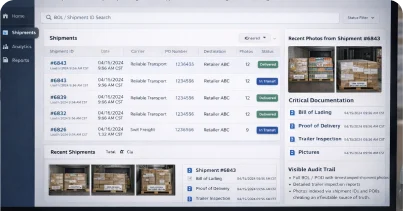
  2. Make Photos Mandatory: Don’t let a pallet hit the truck without a photo. Use a simple, standardized capture process so that every image is easily linked to the specific shipment or order number.
  3. Use Physical Barriers: For your most sensitive or top-heavy loads, labels might not be enough. You can significantly improve protection by applying to the top of the pallet. These serve as a physical deterrent that makes it impossible to stack another load without crushing the cone, providing immediate visual proof of carrier mishandling.

Final thought

Fragile freight will always need more attention than standard freight. But with the right process, that risk does not have to turn into damage or disputes.

When you combine clear labeling with Pallet photo proof, you give your warehouse a stronger outbound control process and a better defense against claims. Small steps like these can save a lot of time later and in logistics, that kind of discipline is what separates a decent process from a truly reliable one.

Share this Article
Dive Deeper