








OUR BLOG
Flammable Gas

Flammable Gas Labeling: Standards for Safety and Operational Risk

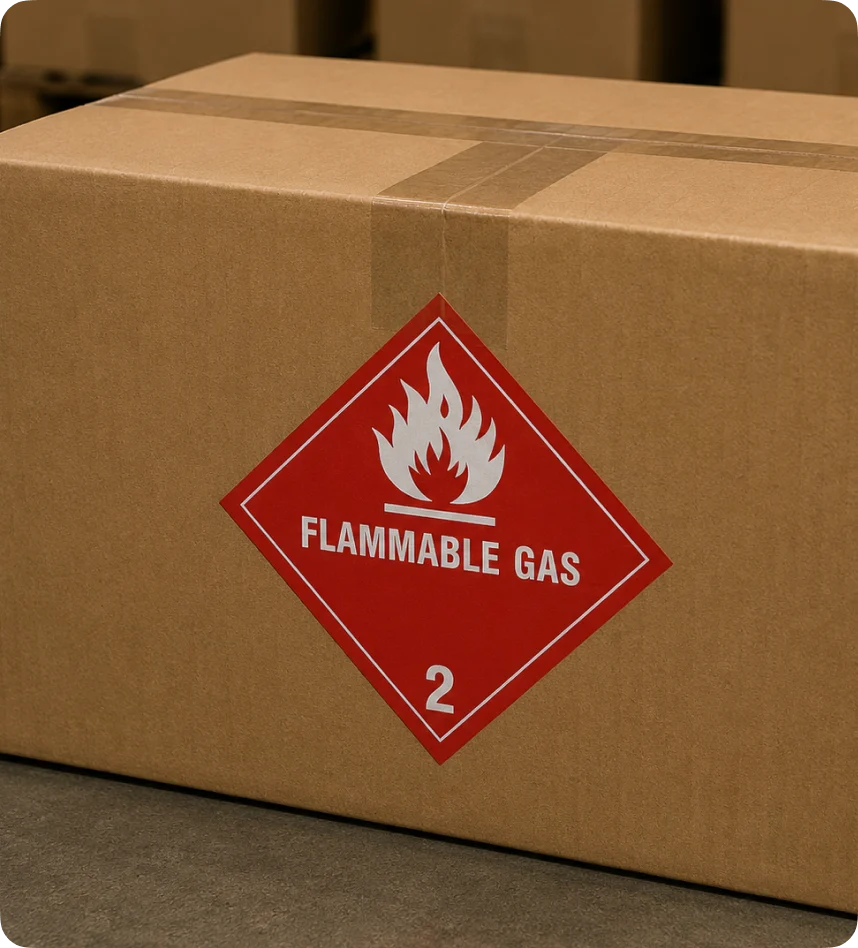
A “Flammable Gas” label is the most immediate way to communicate risk on a loading dock, but the sticker itself is not a safety strategy. In any professional logistics operation, the presence of the red Class 2 diamond must be treated as a mandatory trigger for specific handling protocols.
If the label is visible but the team hasn’t been trained to adjust their behavior, such as maintaining proper segregation or ignition zones, then the label has failed its primary purpose. To achieve true flammable gas safety, the warning must be backed by a system that ensures every hazard is identified, placed correctly, and documented before it moves.
Flammable Gas

The Risks of Overlooking the Label

When labels are treated as “optional” or “just for show,” the consequences reach far beyond basic safety risks. Ignoring these indicators can lead to:
  • Regulatory Penalties: Failing to meet GHS or DOT standards often results in heavy fines and rejected shipments.
  • Operational Delays: If a driver or receiver spots a poorly labeled or improperly placed shipment, the entire supply chain stops for an inspection.
  • Accountability Gaps: If an incident occurs, a lack of documented handling makes it impossible to determine who is at fault or where the system failed.
When dealing with Class 2 gases, safety label placement guidelines are just as vital as the label’s design. Because gas cylinders and containers come in various shapes, there are specific “best practice” zones to ensure the labels stay attached and visible throughout the journey.

Best Practices for Handling Flammable Gas Labels

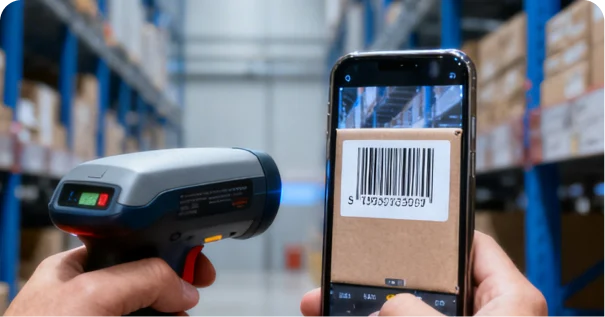
To maintain high standards in hazardous materials handling, follow these specific steps for label application and visibility:
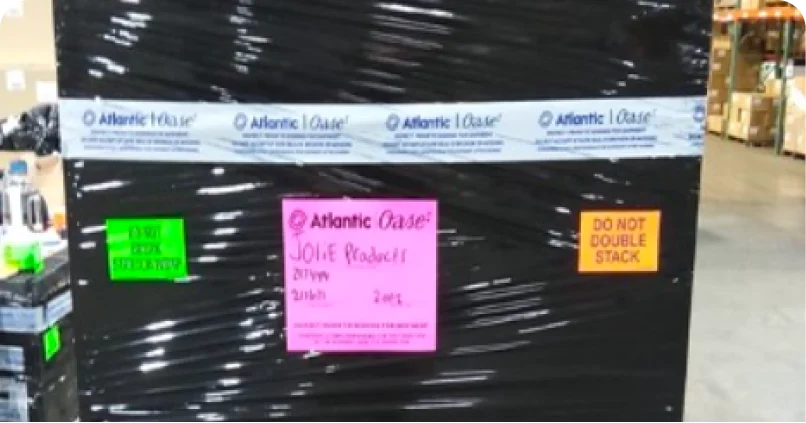
  • Visibility is Non-Negotiable: Ensure labels are visible from at least two sides of a package or pallet. Never allow shrink wrap, strapping, or other shipping labels to hide the flame symbol or the “2” classification.
  • The “Shoulder” Rule for Cylinders: Always apply the label to the shoulder (the curved top section). This ensures visibility even when cylinders are packed tightly in racks. Never place labels on the removable cap or the bottom.
  • The “Opposite Side” Rule for Boxes: For square packages, apply labels to at least two opposite sides. This ensures the flammable material is recognizable regardless of how the box is turned on a conveyor.
  • The “Eye-Level” Rule for Bulk Tanks: For large tanks, place placards on all four sides at eye level so they are visible to forklift operators and emergency responders from a distance.
  • Surface Preparation: Apply stickers to a flat, clean, and dry surface. Avoid sticking labels over ridges or seams, as air gaps will cause the material to crack and peel.

Environmental Durability and Action Protocols

In industrial environments, labels face moisture, UV rays, and constant friction. You must use weather-resistant vinyl or polyester, as a faded label is both a regulatory violation and a safety failure.
Furthermore, the moment a staff member sees that red Class 2 label, it should trigger a “Trigger for Action” protocol.
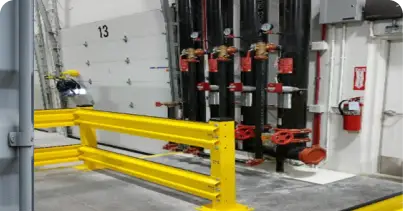
This includes maintaining a Zero Ignition Zone (no smoking or welding within 25 feet) and strict segregation rules. Flammable gases must be separated from oxidizers by at least 20 feet or a fire-resistant wall. Proper hazardous materials handling also dictates “soft-touch” movement, always using specialized carts for cylinders rather than rolling them on their bases.

Strengthening Accountability with Technology

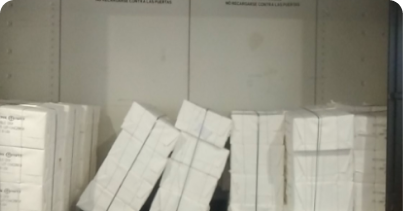
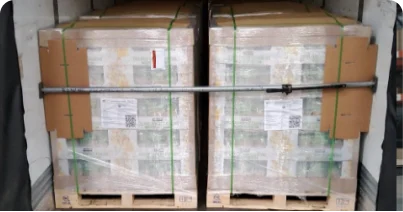
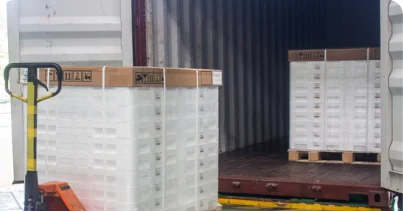
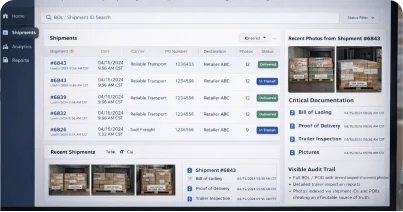
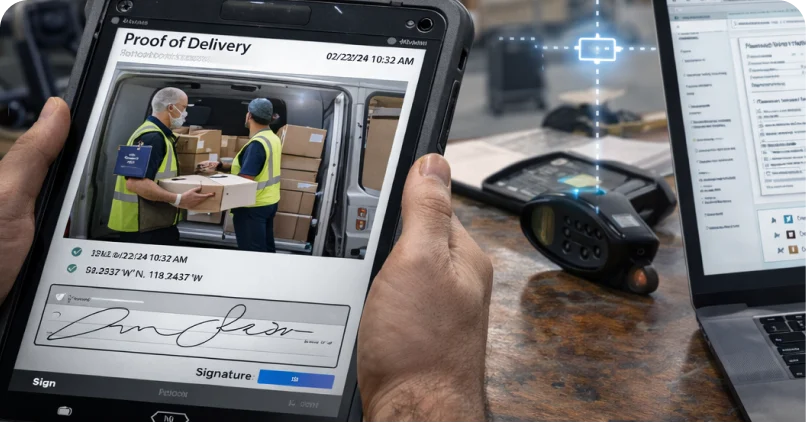
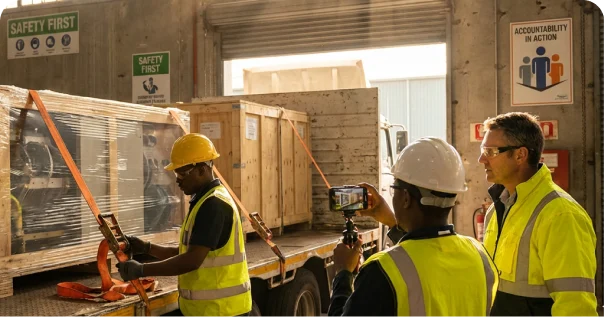
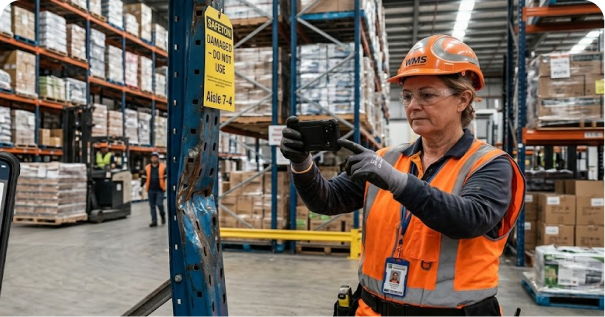
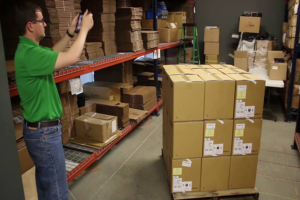
Moving to a digital-first approach adds a layer of proof that manual checks simply cannot match. By using a digital proof of delivery system, you can capture photos of the shipment at every stage. Dispatchers can verify that the label was correctly placed on the shoulder before the truck leaves the dock.
These digital records serve as an audit trail. Periodically photographing storage areas proves that gases are correctly segregated from incompatible materials. Capturing the positioning of the load within a vehicle provides proof of delivery data that confirms the cargo was secured away from heat sources.

Final Thoughts

The “Flammable Gas” label is a powerful tool, but it is not a shield. It is a call to action. By following strict safety label placement guidelines and maintaining a culture of flammable gas safety, you protect your personnel and your bottom line.
When you pair high-quality labeling with disciplined hazardous materials handling and digital documentation, you transform a simple warning sign into a comprehensive, professional safety system. Consistent flammable gas labels are the only way to ensure every shipment arrives without incident.
Share this Article
Dive Deeper