










OUR BLOG
Explosive 1.3C label

Explosive 1.3C1 Labeling and Dangerous Goods Compliance

In dangerous goods logistics, the Explosive 1.3C1 label is more than a marking on a package.

It is a critical part of hazardous materials labeling that tells warehouse staff, carriers, and receiving teams how the shipment should be handled. Because this label identifies explosives with a fire hazard and a minor blast or projection hazard, it plays an important role in safe movement from dock to delivery.

That is why it matters so much in real operations. In busy environments, teams are focused on speed, accuracy, and turnaround time. But when the freight involves dangerous goods, speed without clarity can create unnecessary risk. A clear label supports warehouse safety by helping everyone slow down just enough to protect people, property, and the shipment itself.

What the label tells handlers

The Explosive 1.3C1 label signals one thing clearly: this is not regular freight. It tells handlers that special care is required due to fire risk and limited blast potential. This visual warning helps warehouse and transport teams decide how to stage, move, and store the shipment.

In practice, the label becomes part of the handling decision. It can affect where the shipment is placed, how it is separated from other freight, and how quickly it is accepted at receiving. When the label is correct and visible, it supports better dangerous goods compliance at every handoff.

Tip: Do not rely on paperwork alone to communicate the risk.

Why visibility matters

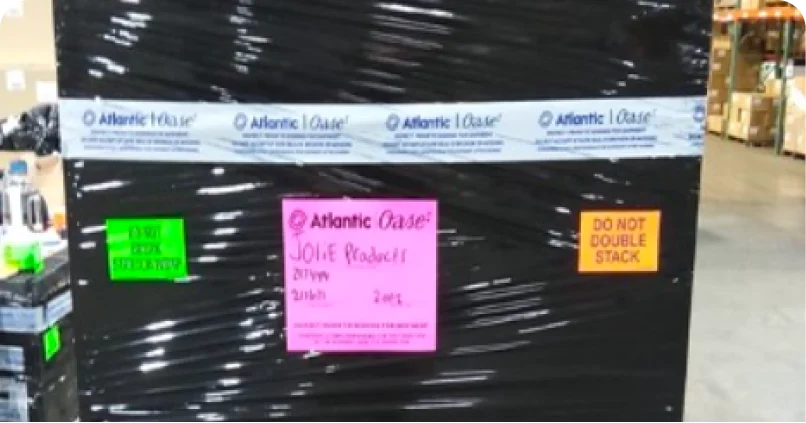
Even the correct label can fail if it is not visible. In real operations, shipments are stacked, wrapped, palletized, and moved through crowded docks where labels can be hidden in seconds. A label covered by stretch wrap, damaged during handling, or placed on a side that is hard to see can create confusion.

That is a serious issue for Explosive 1.3C1 freight. If the warning is not immediately visible, the shipment may be handled too casually or placed in the wrong location. In mixed-freight environments, that can lead to delays, improper storage decisions, or a breakdown in safety procedures.

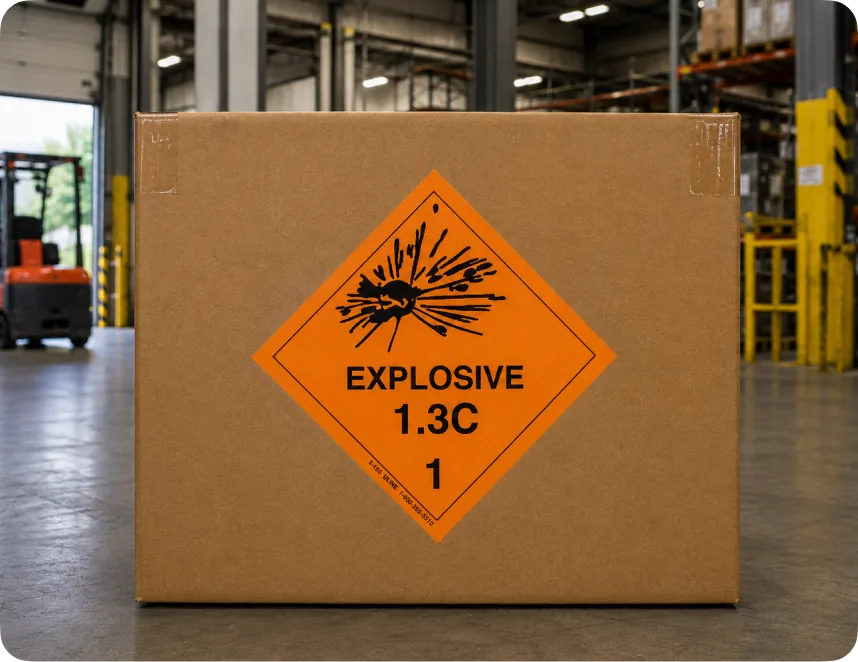
Carton with an orange EXPLOSIVE 1.3C Class 1 dangerous goods diamond label

Best practices for placement and verification

The success of any dangerous goods process depends on two things: clear labeling and strong shipment visibility. When handling Explosive 1.3C1 freight, teams need a process that is simple, consistent, and easy to verify.

  1. Confirm the classification before shipping. Before the shipment leaves the warehouse, make sure it is correctly classified as 1.3C1. The label must match the contents and the shipping documents exactly.
  2. Keep the label visible at all times. A hazard label only works if people can see it quickly. The Explosive 1.3C1 label should never be hidden by wrap, tape, or another pallet layer.
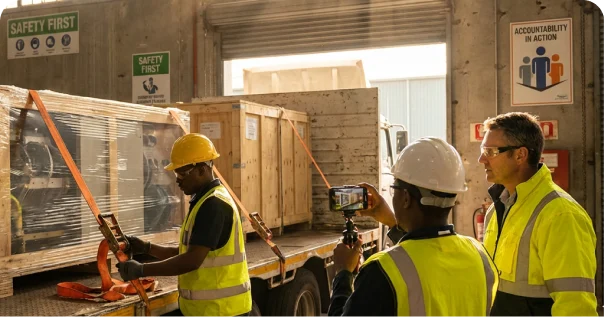
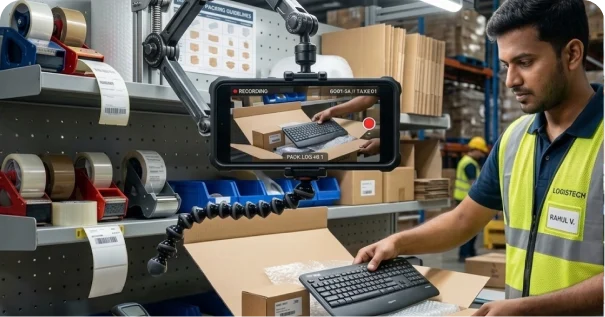
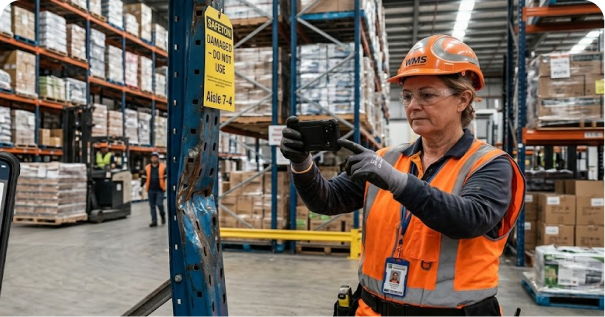
  3. Capture photo documentation before dispatch. Take clear photos of the labeled shipment before it leaves the warehouse. This creates visual proof of how the freight was prepared and supports chain-of-custody documentation, audits, claims, and internal reviews.

Common mistakes to avoid

One of the most common problems in hazardous materials labeling is assuming the label will stay readable throughout the journey. In reality, labels can fade, tear, peel, or get covered during handling and transit. Another mistake is using the wrong label or applying it to the wrong package, which can create serious confusion for everyone downstream.

Placement errors are just as dangerous. If the label is tucked under packaging, placed where it is hard to spot, or hidden by another pallet layer, it may not serve its purpose when the shipment is moved. And perhaps the biggest mistake is assuming documentation alone is enough. The label must be visible on the freight itself to support warehouse safety and compliance.

Here’s the reality: A damaged or obscured label can weaken the entire safety process.

Safety culture in practice

Effective labeling is about more than just checking a box for a regulator; it is a core part of a healthy safety culture. It proves that an operation is thinking about the next person in the chain, the driver, the cross-dock worker, and the final receiver.

In elite logistics operations, the Explosive 1.3C1 label is treated as a vital part of the workflow. Integrating photo proof into this process strengthens chain-of-custody documentation by making every handoff verifiable. When every person in the chain can identify risk at a glance, the entire operation becomes more resilient.

In the end, the 1.3C1 label might be small, but its impact is massive. It tells the operation how to behave and how seriously to treat the cargo. When teams respect that signal and document it properly, they protect their people and keep the supply chain moving with confidence.

Share this Article
Dive Deeper