



OUR BLOG
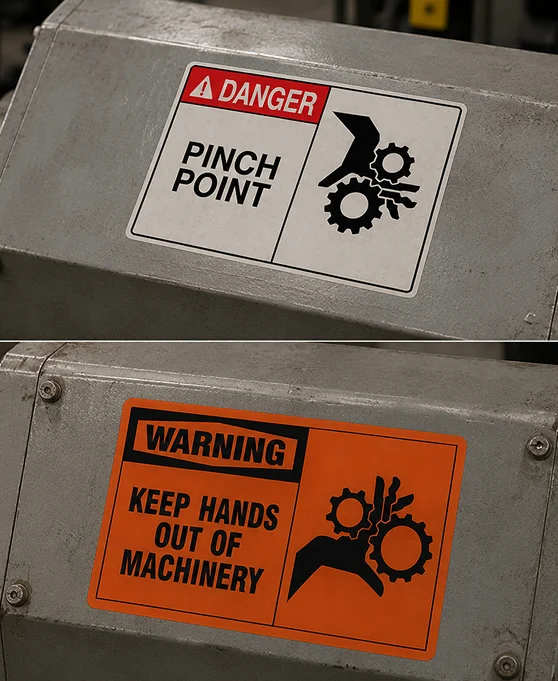
“Danger: Pinch Point” and “Warning: Keep Hands Out of Machinery”

Why Your Warehouse Hazard Identification Is Failing

If safety signs worked perfectly, high-volume fulfilment centres would not still deal with the same preventable hand and finger injuries. Walk into any busy logistics hub and you will see bright red danger signs placed right next to rollers, dock levellers, and automated packing tools. Over time, workers see these signs so often that they stop noticing them, which makes routine warehouse hazard identification much harder to maintain during a busy shift. To fix this, managers must use bright, high contrast markers as active tools to wake up employees right before they touch a dangerous gear or moving part.

Why Workers Fall Into Situational Autopilot

In fast-moving warehouses, where meeting daily shipping goals takes up everyone s attention, looking at safety signs becomes a low priority. Most machinery injuries happen to workers who know the dangers perfectly well but simply fell into a state of autopilot while doing a repetitive task. To stop these accidents, pinch point warning labels must be placed exactly where the hands meet the machinery, forcing a worker to snap out of their daze before reaching into a mechanism.
1. Rules for Accurate Sign Placement
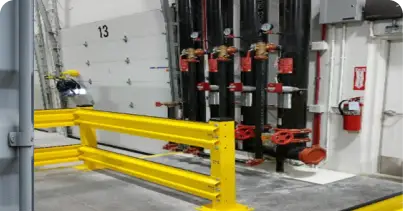
A safety sign only helps if an operator sees it right before they enter a danger zone. Your labels must sit directly on the equipment next to the trap hazard, rather than on nearby walls or structural beams. Stickers must also be placed right at eye level where a person naturally looks while operating the tool, such as near drive pulleys or wrapping jaws. If a machine can be reached from multiple sides, every single entry point needs its own clear visual warning so no one approaches a hazard blindly.
2. Upgrading Safety with Smart Machine Practices
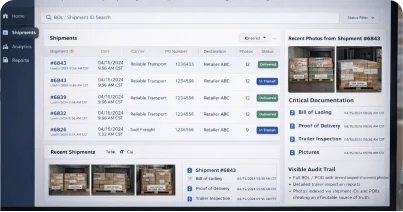
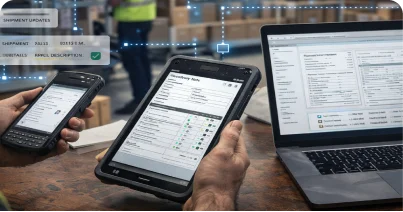
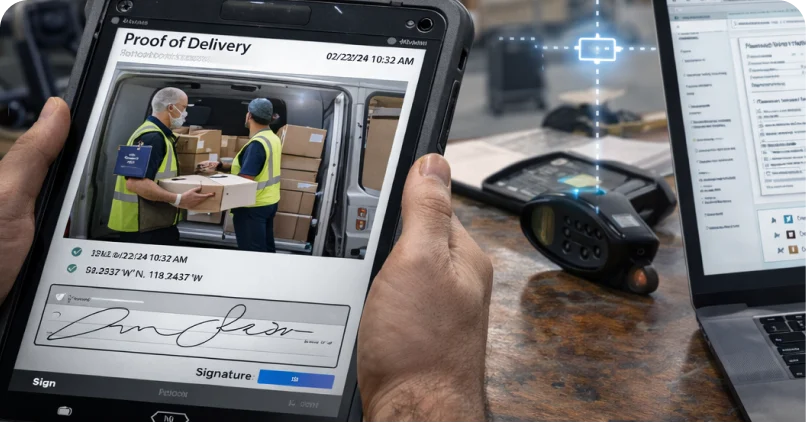
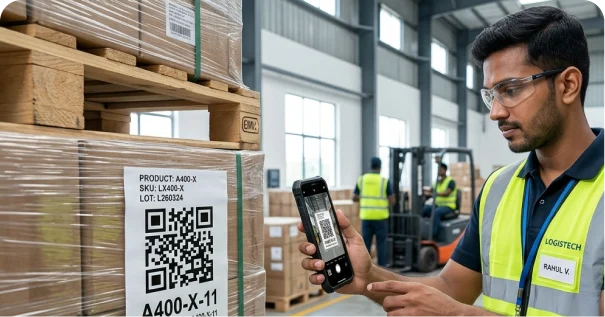
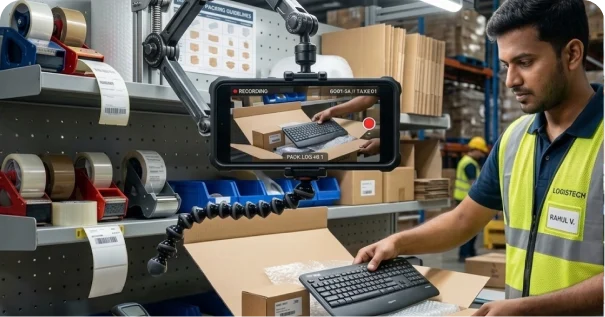
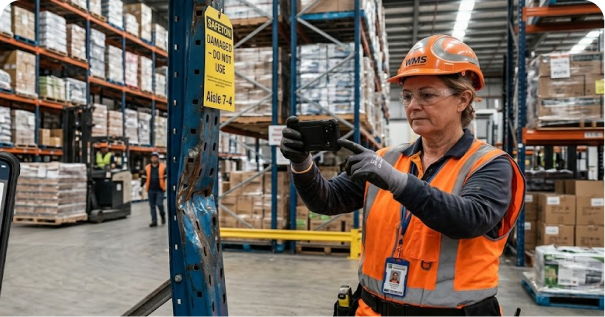
Top logistics companies are now moving toward detailed hazard mapping on the floor. Instead of just putting a single warning on the outside frame of a machine, safety teams place smaller, secondary labels directly behind access doors, which connects standard signage with robust industrial machine guarding policies. This catches the worker the exa ct millisecond they remove a physical screen or open a guard panel to clear a trapped box. To keep these areas safe, supervisors can snap quick smartphone pictures during daily walks, utilising digital documentation to instantly log dirty or peeling stickers that need a fast replacement before the next shift starts.
3. Stopping “Invisible” Sticker Failure
Even the best signs become useless when they get covered in forklift exhaust, heavy grease, or warehouse dust over time. If a sticker is scratched up or covered in grime, it fades into the background and workers stop seeing it entirely. True workplace safety requires managers to check the condition of every sign regularly, rather than just checking a yes or no box on a clipboard. Adding clear pictures of clean, uncovered signs to your digital logs proves that your industrial machine guarding assets are being maintained properly and stay completely visible to your crew.
Danger: Pinch Point" and "Warning: Keep Hands Out of Machinery

What Your Facility Gains From Better Labeling

Taking the time to check and update your safety labels does a lot more than just keep you out of trouble with government inspectors.
  • Immediate Behaviour Disruptions: The bold colours and simple pictures of gears catching a hand act as a mental stop sign, breaking workers out of dangerous habits right at the point of operation.
  • Easier Seasonal Onboarding: High-volume warehouses rely heavily on temporary staff during peak seasons. Simple, graphic heavy labels allow these new hires to handle warehouse hazard identification instantly without needing weeks of specialized practice.
  • Fewer Operational Violations:Keeping your signs clean, bright, and placed according to official guidelines proves to insurance adjusters and state auditors that your business runs a proactive safety culture.
By upgrading your daily walkthroughs to include digital documentation, you turn standard safety chores into a clear, visual record of a protected workplace. This habit makes it simple to ensure that your pinch point warning labels stay clean, readable, and ready to protect your team from sudden injuries.

Conclusion

Keeping your warehouse safe is all about breaking through worker autopilot at the exact second of risk. When you make sure every visual warning stays clean, well-placed, and completely unavoidable, you protect your team and keep your operations moving smoothly. No operator should ever have to clear a jam or service a tool without a clear, immediate reminder of where the danger lies, ensuring that everyone goes home safe at the end of the day
Share this Article
Dive Deeper