











OUR BLOG
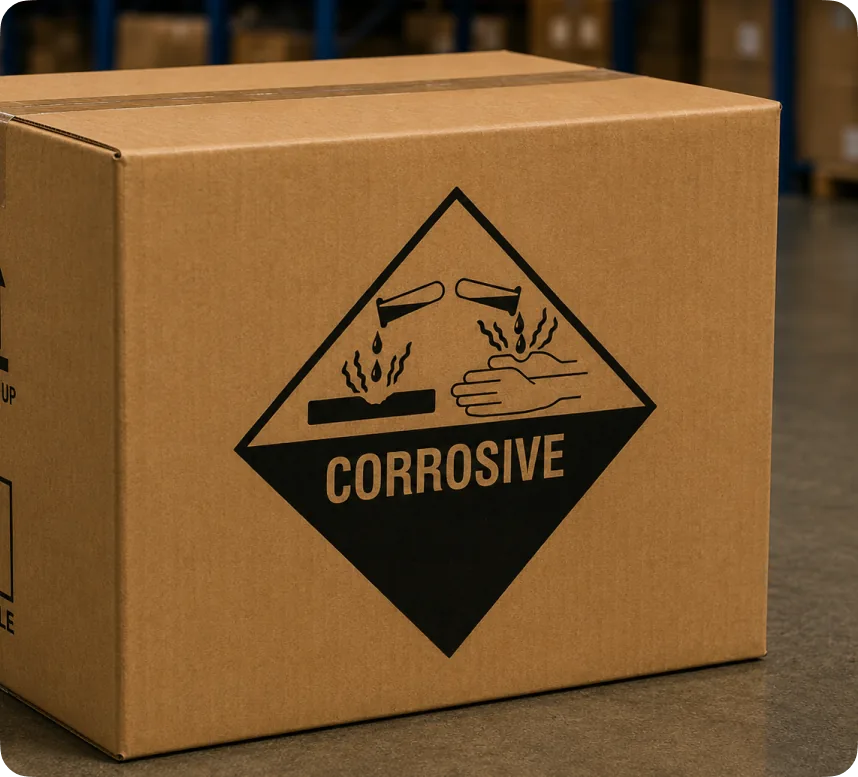
Corrosive label

Class 8 Dangerous Goods: Corrosive Labeling Best Practices

A single placard can be the difference between controlled handling and a costly operational failure in the modern logistics. The corrosive hazard label, the Class 8 diamond, is a definitive instruction to the entire logistics network. It signals that the material inside has the active chemical power to dissolve living tissue, degrade metal racking, and compromise vehicle integrity. This is the primary marker used to identify Class 8 dangerous goods during transit.

When this label is used correctly, it triggers a chain of safety protocols. When it is ignored or applied poorly, it creates communication gaps that lead to chemical burns, infrastructure damage, and rejected loads at the receiving dock. For a high-performance facility, hazardous material labeling is not a clerical task; it is the first line of defense in risk management.

The Hidden Cost of Label Failure

Corrosive materials do not fail silently. Unlike other hazards that might stay contained, corrosives can actively eat through their primary packaging if handled incorrectly. Most safety incidents don’t start with a chemical leak rather they start with a labeling failure.

A missing, obscured, or damaged corrosive hazard label removes the vital “Stop and Think” moment for your team. Without that visual signal, personnel are forced to rely on assumptions, which leads to:

  • Storage Mismatches: Placing acids near bases or flammables, creating a risk of violent reactions.
  • Structural Deterioration: Storing Class 8 drums on metal shelves or wooden pallets without knowing they require specialized poly-containment.
  • Compliance Penalties: Regulatory inspectors view an unlabeled drum as an “unknown hazard,” which carries some of the highest fines in industrial logistics.

Best Practices for Class 8 Labeling Standards

To maintain hazardous material labeling that actually protects your bottom line, your facility should follow these three “Hard-Site” rules:

  1. The 270-Degree Rule: Never apply just one label. Put the corrosive diamond on at least two adjacent sides of every pallet or drum. This ensures that no matter how a forklift driver approaches the load or how it is stacked in a trailer, the hazard is immediately visible.
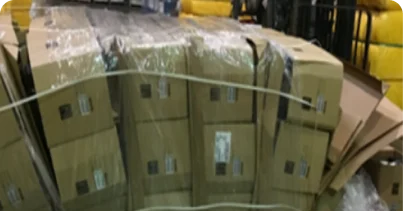
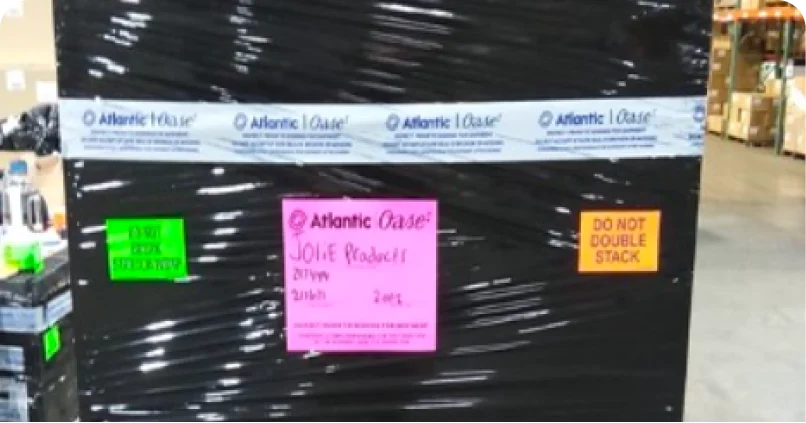
  2. Outside-the-Wrap Application: One of the most common mistakes is placing a label underneath layers of stretch wrap. The glare of warehouse lighting on the plastic makes the label unreadable. Always apply the placard as the final step, ensuring it is on the very outside of the finished pallet.
  3. Environmental Durability: In a dock environment, labels face moisture, heat, and friction. A paper sticker that peels off is a safety breach. Ensure your labels are industrial-grade and UV-resistant to stay legible from the point of origin to the final destination.
Carton with a black and white CORROSIVE Class 8 hazard diamond label

Verification: Moving from Compliance to Proof

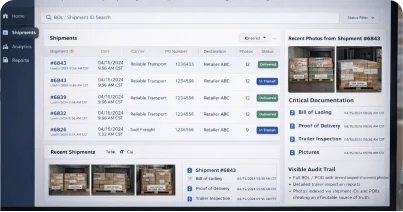
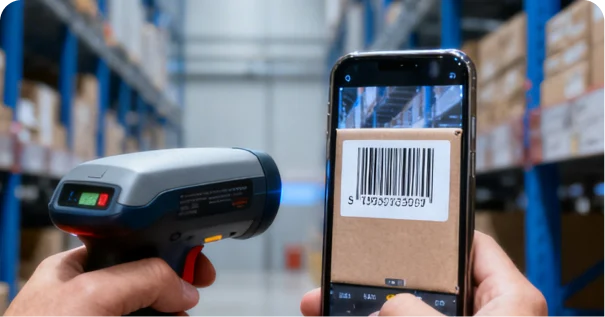
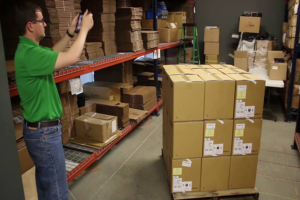
While labeling provides the instruction, visual documentation provides the proof. So, professional logistics teams are moving beyond manual checklists and toward a “Photo-First” protocol.

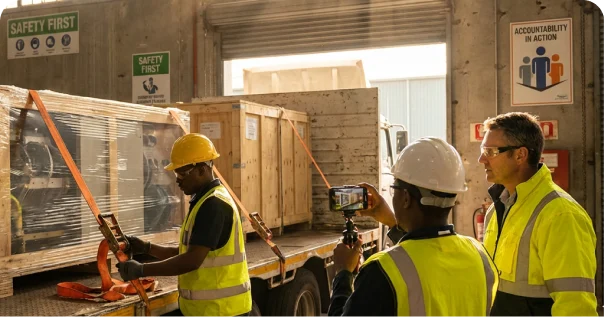
Capturing time-stamped, high-resolution images of labeled shipments at handoff points, such as loading and receiving, creates a permanent audit trail. This documentation proves three critical things:

  • The corrosive hazard label was present and accurate at the time of transfer.
  • The shipment was oriented correctly (e.g., “This Side Up”) to prevent internal leaks.
  • The secondary containment measures were in place before the truck doors were sealed.

This approach prevents the blame game during claims. If a shipment arrives damaged, your records serve as definitive proof that the standards for Class 8 dangerous goods were met before the truck doors were sealed.

Conclusion: Clarity is Not Optional

The Class 8 label is more than a regulatory requirement; it is a tool for operational control. By combining rigid labeling standards with digital verification, your facility moves from simply “following rules” to actively managing risk. In an environment where a single drop of liquid can cause permanent damage, the clarity of your communication is your greatest asset.

Share this Article
Dive Deeper