









OUR BLOG
Choking Hazard – Small Parts Labels

Safety Labeling in Packaging and Fulfillment: How to Protect Product Safety Standards

Behind every well-packed shipment is a series of small decisions that protect the customer. One of those decisions is preserving the choking hazard label so the final package carries the correct safety warning all the way to the end user.

In packaging and fulfillment, this may seem like a minor detail. In reality, it is a control point that affects packing, relabeling, shipping, and the customer’s experience after delivery. When managed well, it helps prevent avoidable errors, supports product safety standards, and strengthens supply chain compliance from the packing line to the customer’s hands.

A Small Label with a Big Responsibility

A choking hazard warning is used on products with small parts that could pose a risk to young children, especially toys, kits, and consumer goods with detachable pieces. The label belongs on the consumer-facing package or retail carton, which means it must stay visible and readable throughout the packaging process.

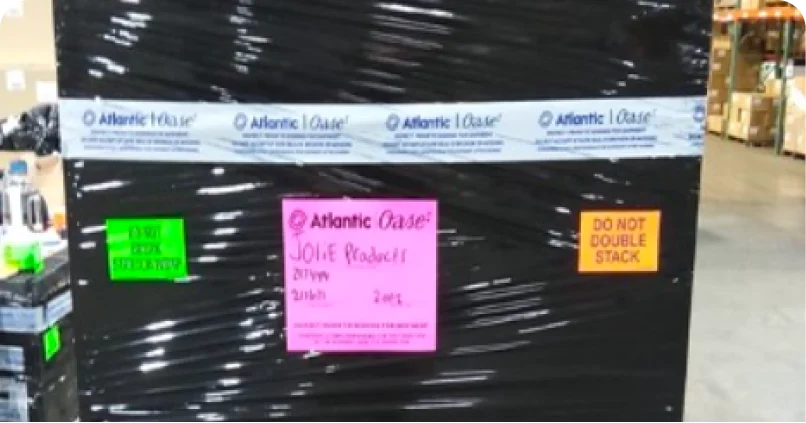
That is why teams should treat it as part of safety labeling, not as a decorative sticker. If the warning is hidden under stretch wrap, covered by a shipping label, or damaged during relabeling, the final pack may no longer communicate the required message.

The Role of Packaging and Fulfillment

Teams working in packaging and fulfillment need a simple control process that fits naturally into daily work.

  • Check the label when goods are prepared for packing.
  • Confirm it remains visible after repacking or relabeling.
  • Make sure no shipping label, tape, or wrap covers it.
  • Inspect the final pack before release.
  • Escalate any mismatch between the product and the required warning.

These steps are easy to train, easy to audit, and easy to repeat across shifts. More importantly, they reduce rework and help prevent last-minute quality holds caused by missing or obscured safety information.

The best teams do more than seal cartons efficiently. They manage the condition of the carton as part of the process. That mindset turns label handling from a paperwork issue into a practical supply chain control.

Pro Tip: If the Warning Cannot Be Seen, It Cannot Do Its Job

A label only works when it can be seen. If the warning is partially covered, damaged, or placed in a low-visibility area, its message weakens even if the sticker is technically present.

In many fulfillment environments, the real challenge is not whether the label exists. It is whether it remains readable after the product has been packed, handled, or relabeled. This becomes especially important when cartons are opened, reboxed, or prepared for different sales channels.

A strong operating rule is simple: if the warning is not clearly visible on the final customer-facing pack, the package is not ready to ship.

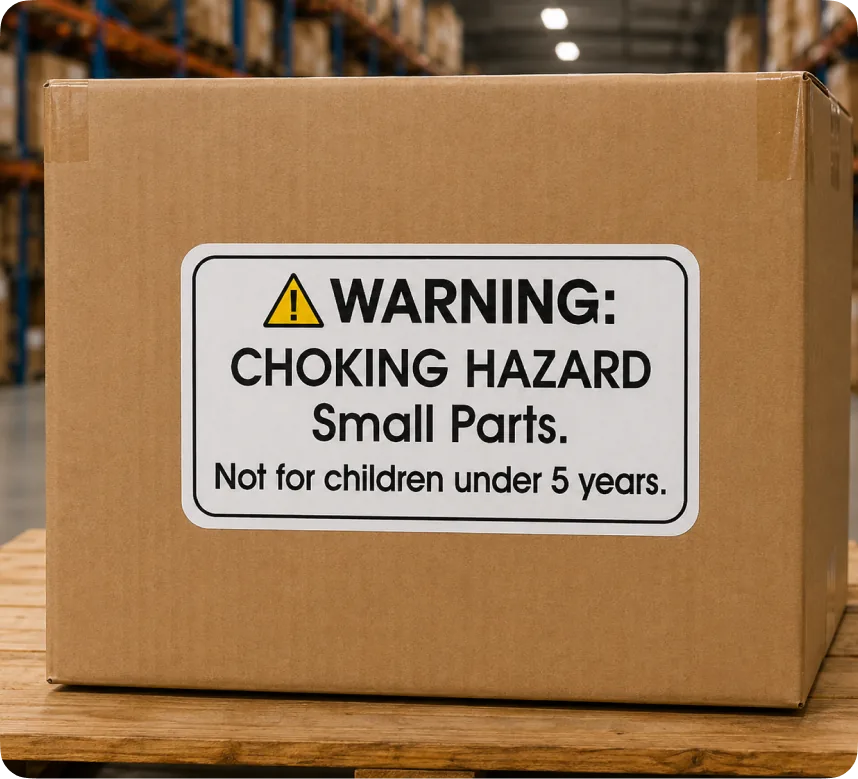
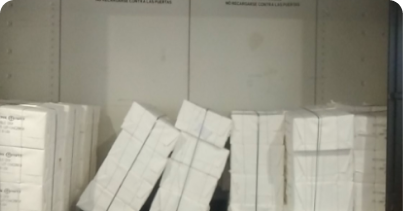
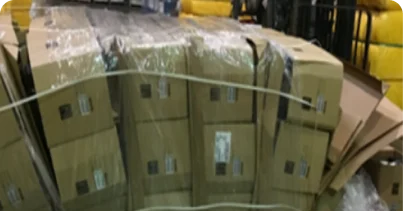
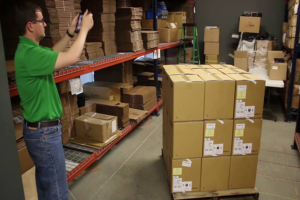
Carton with a WARNING CHOKING HAZARD Small Parts label, not for children under 5 years

Why Disciplined Handling Protects the Final Customer

A choking hazard label exists to protect the end user from avoidable risk. That makes it more than a packaging detail. It is part of the business’s responsibility to communicate product safety clearly and consistently.

When packaging and fulfillment teams handle the label correctly, they support that responsibility. They help ensure the customer receives a product that is properly identified, correctly packaged, and ready for safe use. They also reduce downstream problems such as returns, complaints, relabeling requests, and compliance disputes.

This is where disciplined handling becomes more than an operational habit. It strengthens supply chain compliance and builds trust. Customers may never notice a label that was preserved correctly, but they will quickly notice when a warning is missing or obscured.

Photo Documentation as the Proof Layer

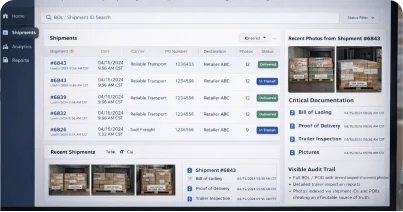
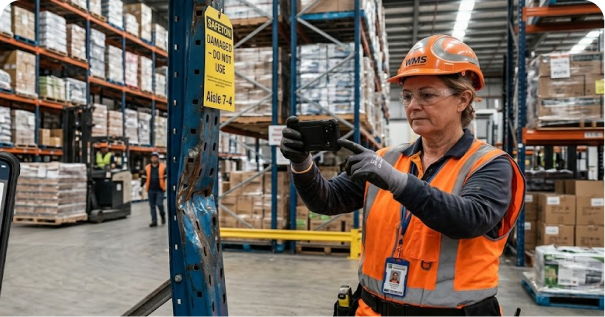
Photo documentation gives the operation a visual record of the label at each key checkpoint. That matters because it shows whether the warning was present, legible, and correctly placed before release.

In real fulfillment conditions, disputes happen. A label can be damaged after inspection, a carton can be repacked differently, or a customer can say the warning was missing on arrival. A clear photo trail helps prove what was on the pack at the time of handling and supports faster resolution of claims or compliance questions.

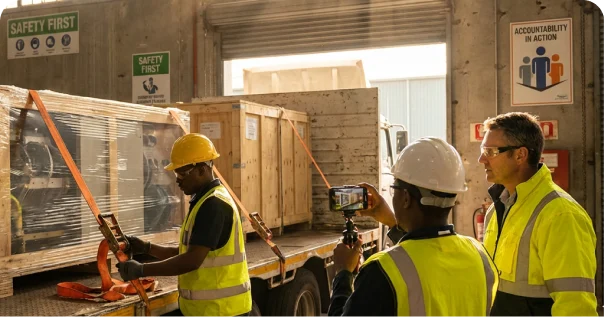
It also strengthens accountability. A written checklist says the label was checked; a photo shows what was actually there. That is why photo documentation is becoming a practical best practice in modern packaging and fulfillment quality control.

Conclusion

A choking hazard label may be small, but the discipline behind it is a sign of operational maturity. When teams preserve the right label in the right place and back it with photo documentation, they are not just following a process, they are supporting safety labeling, protecting product safety standards, and building a safer, more reliable supply chain.

Share this Article
Dive Deeper