








OUR BLOG
Chemical Logistics

Hazardous Material Documentation: Strengthening Chemical Logistics Safety

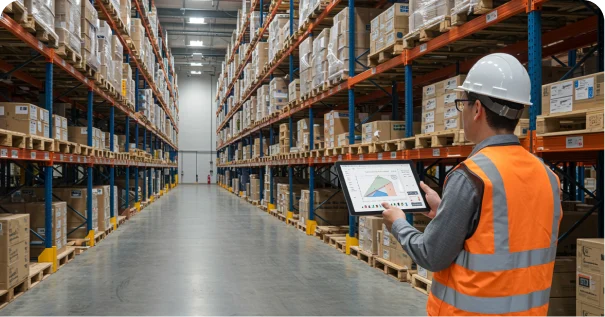
What Separates a Standard Warehouse from a World-Class Logistics Hub?
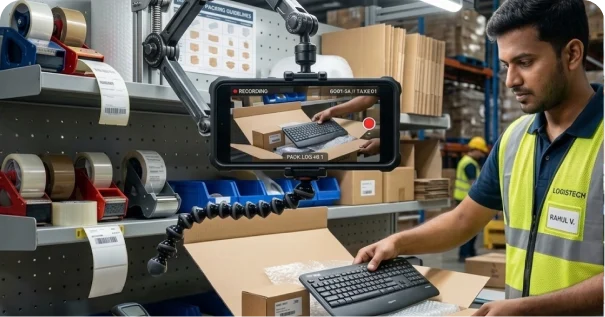
More often than not, it s visual integrity. The line between a high-performing operation and one waiting for an OSHA audit comes down to how well you document what s actually happening on the floor—and that starts with photo documentation.
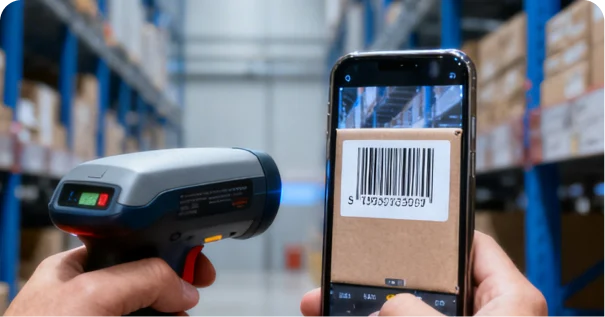
In high stakes logistics environments, what is seen often matters more than what is scanned. A barcode confirms existence in inventory, but it cannot confirm condition, GHS compliance, or safety. The distinction between a standard warehouse and a high-performing hub frequently comes down to one principle: visual integrity supported by disciplined hazardous material documentation.

The "Invisible" Risk in Chemical Logistics Safety

Handling hazardous materials introduces risks that extend far beyond obvious spills. In chemical supply chains specifically those involving industrial products the true exposure lies in the information gap.”
A standard scan verifies receipt, but it fails to reveal critical safety details that impact warehouse risk mitigation:
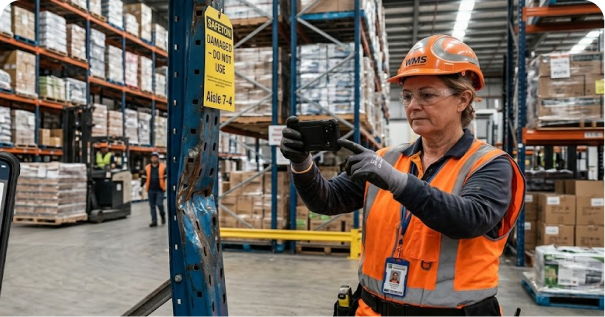
  • Subtle dents caused by forklift contact.
  • Compromised or tampered drum seals.
  • Missing or damaged GHS (Globally Harmonized System) pictograms.
  • Illegible UN identification markings.
If a drum later develops a slow leak or is rejected downstream due to a damaged seal, establishing accountability is nearly impossible without a visual record. In the absence of proof, responsibility defaults to the last handler in the chain of custody. The risk, therefore, is as much informational as it is chemical.
Chemical Logistics

Actionable Best Practice: The Three Shot Protocol

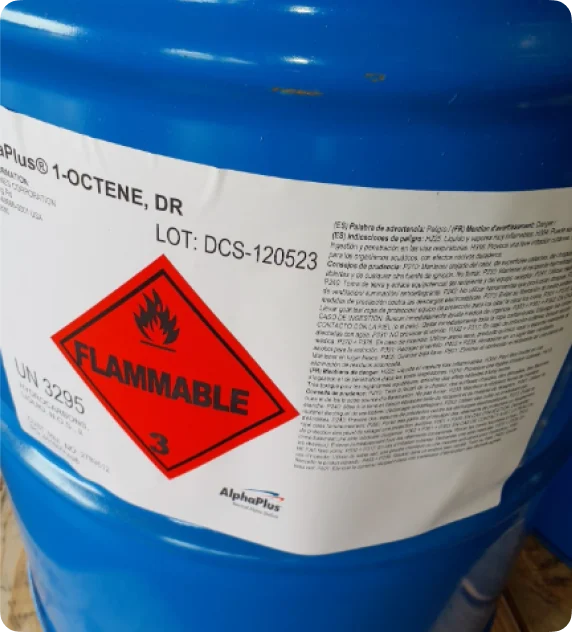
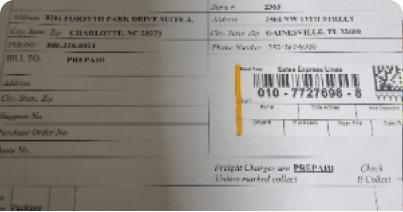
1. The Compliance Close-Up

Every hazardous material container carries its “birth certificate on its side: LOT numbers, UN identifiers, and GHS pictograms.
  • The Action: Capture a clear image of the primary label and
    regulatory markings at the point of receipt or dispatch.
  • The Value: This provides documented proof that hazard
    communication elements were present and legible upon
    transfer, protecting the facility if labels deteriorate or are
    damaged later in the journey.
Chemical Logistics

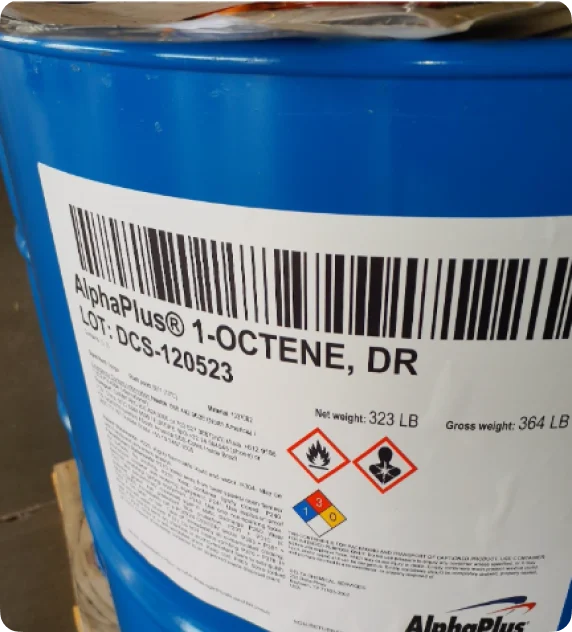
2. The Integrity Angle (Drum Top & Seals)

The top of a drum reveals early warning signs that are often invisible from ground level.
  • The Action: Take a high angle image focusing on bungs,
    seals, and the overall surface condition.
  • The Value: This identifies “bloating (indicating internal
    pressure) or residue suggesting a slow leak. Documenting a
    dry, flat, and intact drum top is the strongest defense against
    concealed damage claims.
Chemical Logistics

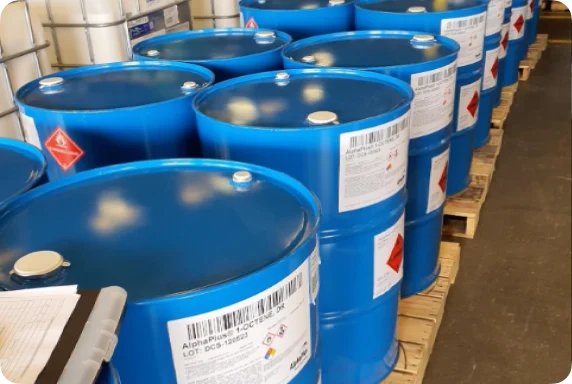
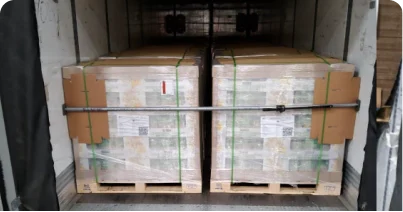
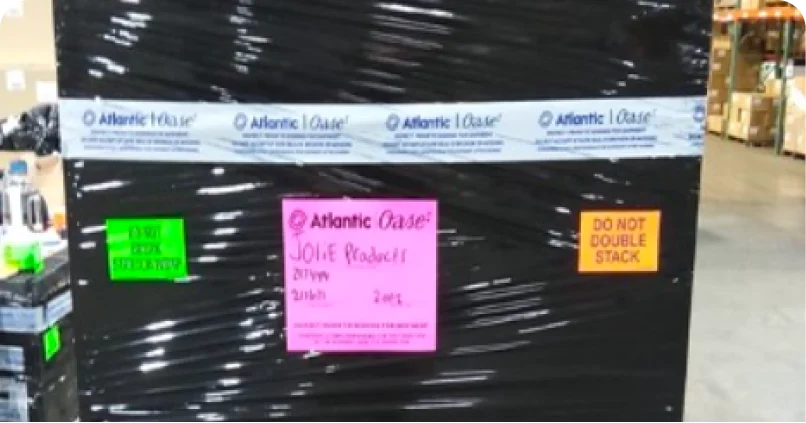
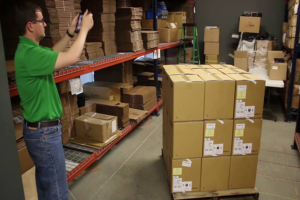
3. The Staging & Stability View

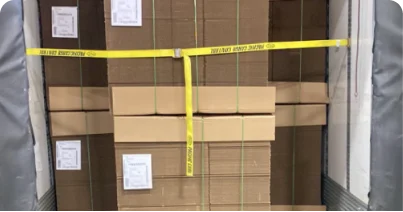
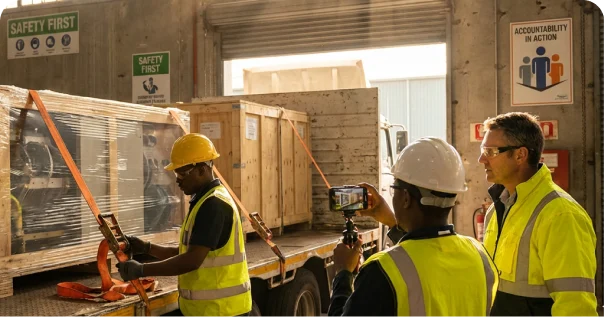
The condition of the container is only one part of the chemical logistics safety equation; how that container is secured for transit is equally vital.
  • The Action: Capture a wide angle image of the fully staged
    pallet prior to outbound loading.
  • The Value: This confirms the shipment was properly
    segregated and secured. In the event of a transit accident,
    this photo proves the team did their job correctly before the
    trailer doors were closed.

Operational Excellence Begins with Reliability

Chemical shipments remind us that supply chains rarely fail because of one catastrophic event. Instead, they fail because of small, compounding uncertainties—unclear labels, unstable packaging, or undocumented handoffs.
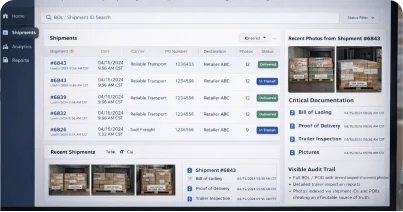
Photo documentation addresses these uncertainties directly. It provides proof, reinforces GHS compliance, and builds shared confidence across your entire team. Whether you ship industrial chemicals, heavy equipment, or consumer goods, the lesson is the same: when the condition of a shipment is visible, the entire process becomes more reliable. And in the world of logistics, reliability is the true engine of success.
Share this Article
Dive Deeper