







OUR BLOG
California Proposition 65 labeling

Supply Chain Risk Management and Warehouse Operations: Prop 65 Compliance Guide

In supply chain work, the smallest detail can create the biggest disruption. That is especially true when California Proposition 65 labeling is involved, because one missing sticker, one outdated warning, or one packaging mismatch can lead to rework, shipment delays, and customer complaints. For teams focused on supply chain risk management and warehouse operations, this is not just a labeling issue. It is an operational control point that must be managed from sourcing to final shipment.

Proposition 65 is California’s law requiring clear and reasonable warnings when a product may expose people to listed chemicals above certain levels. The law reaches far beyond one product category. It can apply to electronics, jewelry, apparel, furniture, food and beverages, cosmetics, toys, and building materials. That is why logistics compliance often becomes part of the conversation long after the product has already entered the supply chain.

Why California Proposition 65 labeling matters

A Prop 65 warning is more than a printed sticker. It is proof that the right information reached the right product in the right format. The warning must be visible, readable, and properly placed, and recent updates have made short-form warnings more specific by requiring at least one chemical name in many cases. If the warning is wrong or missing, the issue can move quickly from a labeling problem to a broader logistics compliance issue.

In warehouse operations, that means label control has to be part of everyday execution. A shipment can be fully packed and still fail if the outer carton, inner pack, or retail label does not match the compliance file. This is why experienced operations teams treat Prop 65 as part of quality control, not as an afterthought.

How photo documentation supports compliance

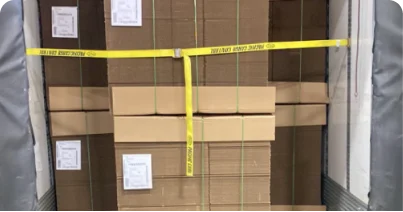
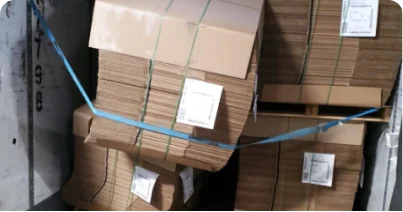
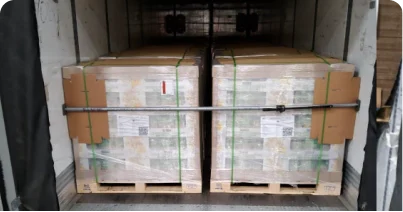
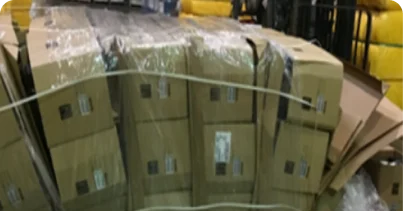
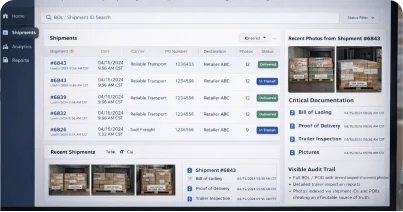
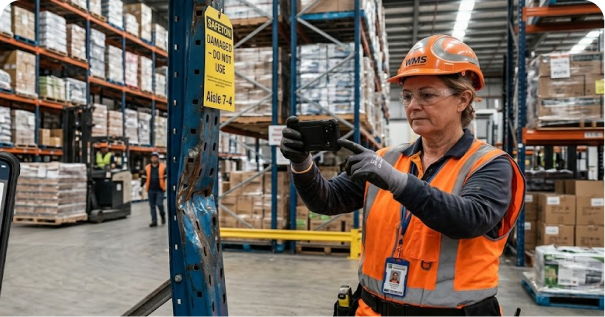
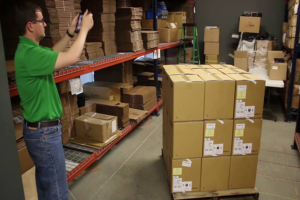
This is where photo documentation becomes a major advantage. Clear photos of the product, the label placement, the carton, and the finished pallet create a visual record that supports supply chain risk management and helps resolve disputes later. If a customer questions whether the warning was applied correctly, a photo trail is often faster and more persuasive than a written explanation alone.

Photo evidence also helps internal teams catch errors before they leave the building. A simple image review can confirm whether the warning is on the correct panel, whether the text is legible, and whether the packaging version matches the approved artwork. In busy warehouse operations, that kind of visual proof reduces guesswork and protects the team from avoidable rework.

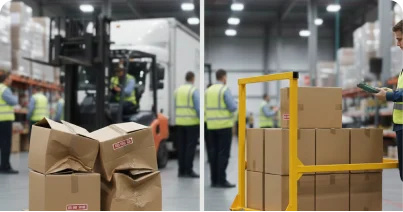
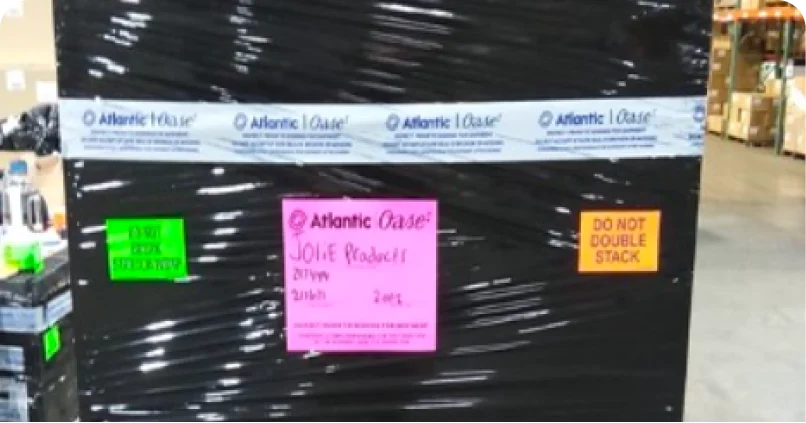
Carton with a California Proposition 65 chemical warning label

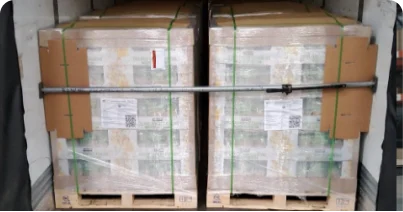
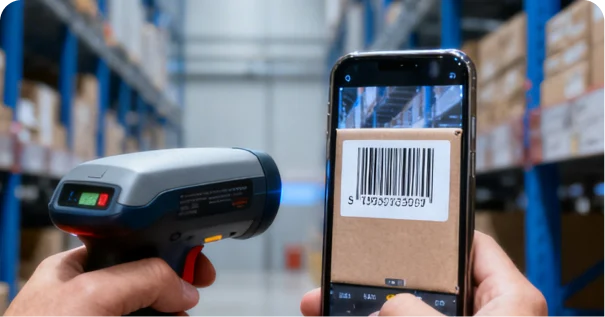
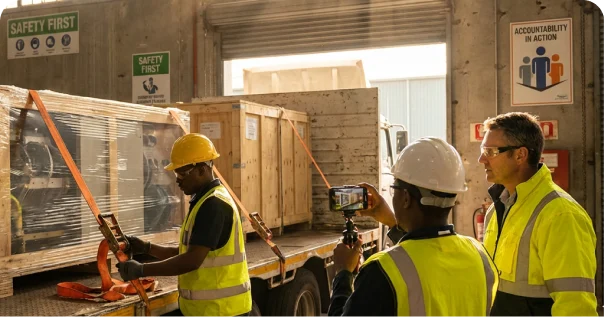
A strong photo workflow usually includes four moments: receiving, pack-out, final QA, and pallet closure. At each step, the image should show enough detail to verify the label, packaging version, and product identity. This simple habit creates accountability and makes audits, customer reviews, and exception handling much easier.

Practical warehouse controls

Start by identifying which SKUs need review. California guidance makes clear that responsibility can sit with manufacturers, producers, packagers, importers, suppliers, or distributors, depending on the situation. That means your item master, supplier declarations, and packaging records should all show the current warning status. When a formula, material, supplier, or packaging component changes, the compliance review should happen again.

Next, standardize the process. Use a checklist that confirms three things: the label is required, the warning text is current, and the placement matches the approved packaging spec. Then add photo capture at the same point every time, ideally during packing or final QA. Consistency matters because the real risk is not just a missing label, but a label that was applied differently from one shipment to the next.

What experienced teams do

The best teams do not wait for a problem to appear in the market. They build Prop 65 into receiving, quality inspection, pack-out, and outbound verification. They keep version control tight, train operators to recognize warning labels, and save photos as part of the shipment record. That habit helps when a retailer asks for proof, when a customer disputes a shipment, or when a regulator wants to know what was sent.

They also make the process easy to follow on the floor. If the label changes, the update should be obvious to the receiving team, visible to the pack team, and documented in the shipment file. When the process is that clear, compliance stops being a one-time task and becomes part of normal warehouse operations.

Final takeaway

California Proposition 65 labeling matters because it sits at the intersection of compliance, packaging, and execution. If your team manages the label early, checks it consistently, and documents it with photos, you reduce surprises and keep the operation moving. In warehouse operations, that kind of discipline is often the difference between a smooth shipment and a costly exception.

For organizations focused on supply chain risk management, this is a practical reminder that compliance is strongest when it is visible, documented, and built into daily workflows. When logistics compliance becomes part of the routine, the entire supply chain becomes more reliable.

Share this Article
Dive Deeper