


OUR BLOG
Document condition of parcels, Individual boxes that are expensive along with tracking number

How to Protect High-Value Shipments with Proper Documentation

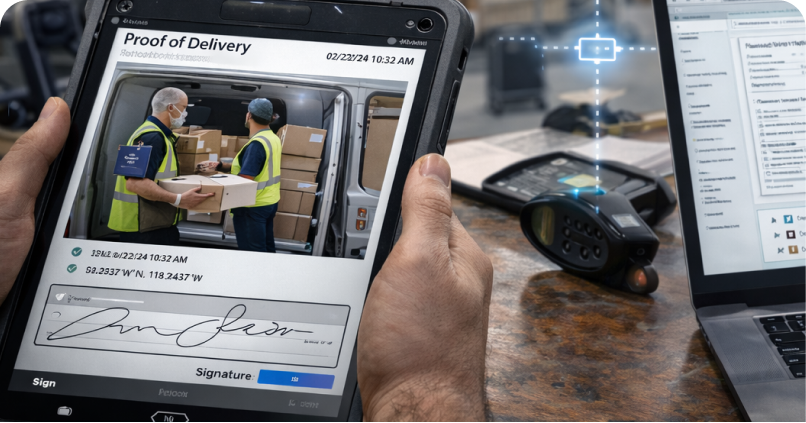
Every time a high-value package leaves your facility, you’re taking a gamble if you can’t prove exactly what it looked like the moment it hit the truck.
The handoff from your loading dock to the carrier is the most vulnerable part of the journey. If a premium product leaves your doors in perfect shape but shows up at the customer’s door looking like it went through a blender, guess who usually gets stuck with the bill? You do. Without a clear shipping condition record, you’re left with no leg to stand on, losing both money and the customer’s trust.

The real cost of Missing Proof

When you don’t have solid outbound parcel documentation, you’re creating a blame vacuum. Third-party carriers are quick to point the finger back at your warehouse team if there’s no evidence to the contrary.
If you want to win a logistics dispute resolution, you need more than just a tracking number, you need a timestamped visual record. Without it, you’ll face:
  • Lost Revenue: You end up eating the cost of damages that weren’t even your fault.
  • Wasted Time: Your team spends hours on the phone arguing with insurance adjusters instead of shipping more orders.
  • Unfair Reputation: Customers think your quality control is lazy, even if the damage happened miles away from your warehouse.

How to actually protect your high value shipments

To make sure your high value shipment protection actually works, you need to make the documentation process a habit, not a “when we have time” task.
1. Set a high-value trigger
Establish a clear threshold for high value shipment protection. Any shipment exceeding this specific value should trigger a mandatory inspection protocol and the creation of shipping condition records before the bill of lading is finalized. This step ensures that the most expensive assets receive the highest level of scrutiny.
2. Systematic Visual Captures
To satisfy an insurance adjuster, a blurry photo of a box from five feet away won’t cut it. You need three specific shots:
  • The Inside: A quick shot showing the bubble wrap or packing foam. This proves you followed the carrier’s packaging standards.
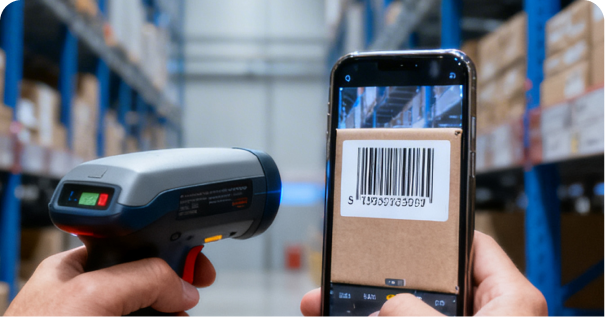
  • The Label: A clear, readable photo of the tracking number. This connects the condition photos to that specific shipment.
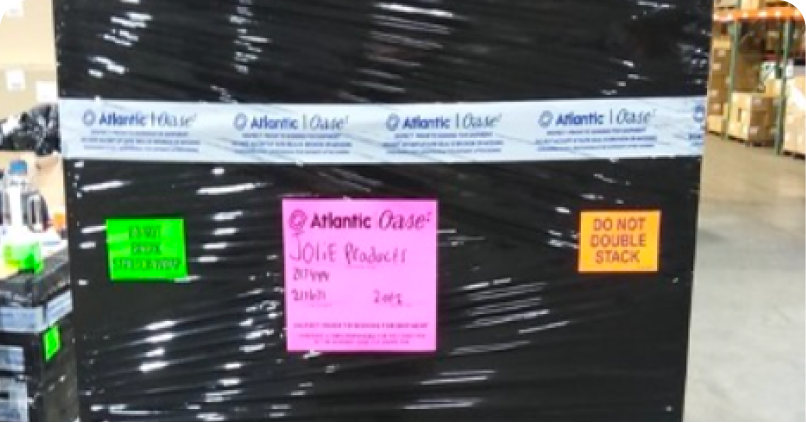
  • The “Six Sides”: Photos of the corners, seams, and tape. This proves the box wasn’t crushed or tampered with when it left.
3. Data Integration and Storage
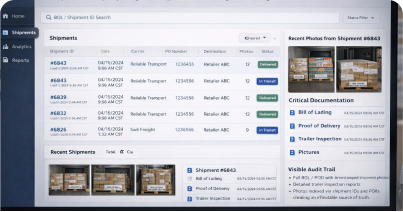
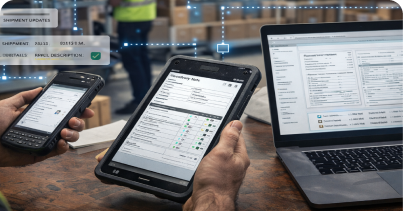
If your photos are buried in a manager’s personal phone or a random desktop folder, they’re useless. Link your photos directly to the Work Order or Tracking Number in your system. When a claim pops up, you should be able to find the proof in seconds, not hours.

Pro-Tip: Make it a Routine

If you’re shipping expensive items daily, consider setting up a dedicated “photo station” with good lighting. It removes the guesswork for your warehouse team and ensures every photo looks professional. When you send a carrier a high-quality, well-lit photo of a perfectly packed box, they realize very quickly that they can’t just brush off your claim.

Conclusion

You can’t control what happens on the road, but you can control the proof you have before the journey starts. By making outbound parcel documentation a standard part of your day, you’re turning a potential loss into a closed case.
Protecting your cargo starts with protecting your data. When every photo is clear and every record is easy to find, you’re not just shipping boxes, you’re protecting your company’s bank account.
Share this Article
Dive Deeper