


OUR BLOG
Photos when 25%, 50%, 75%, 100% full with BOL, Temp & Trailer#

Reefer Load Photo Documentation for Cold Chain Protection

Every rejected refrigerated shipment follows the same pattern. The freight arrives, a temperature concern is raised, and the discussion quickly shifts from operations to liability. Weeks later, the central question is no longer what happened, it is who can prove what happened.
In cold chain shipping, proof determines outcome. Without structured, time-stamped records created at the loading dock, even properly handled shipments can turn into costly disputes.
The issue is rarely the product itself. The issue is incomplete documentation.

Where traditional reefer documentation falls short

Many operations rely on a final trailer photo and a signed Bill of Lading as their primary evidence. While this may seem adequate, it does not capture the full loading process.
A single image does not confirm that airflow channels were maintained at the nose of the trailer. It does not demonstrate proper pallet spacing. It cannot prove balanced weight distribution. And without a clear image of the reefer unit display at departure, defending temperature-related claims becomes extremely difficult.
These documentation gaps increase exposure in temperature controlled logistics operations. They drive up claim frequency, delay resolutions, and weaken overall cargo claims prevention strategies.
Stronger evidence requires a stronger process.

A New Standard: Progressive Photo Data Set for Reefer Loads

A disciplined approach to reefer shipping documentation begins during loading, not after the doors are closed.
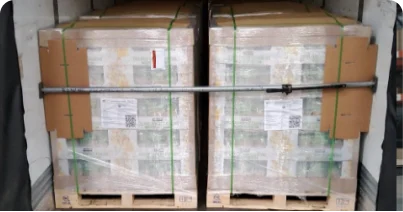
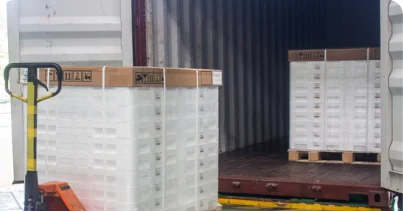
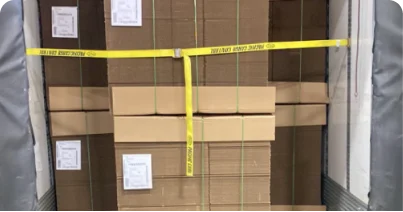
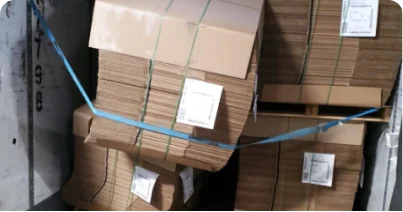
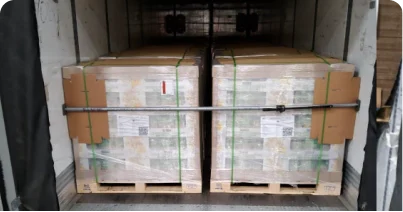
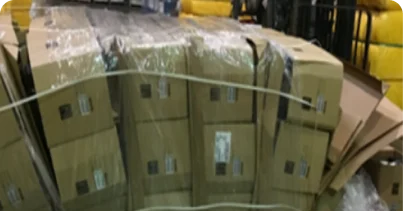
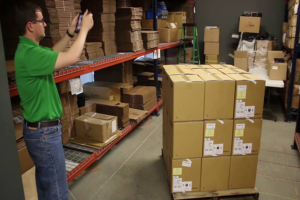
This best practice establishes a clear operational standard: capture photos when the trailer is 25%, 50%, 75%, and 100% full. Each stage must clearly show cargo placement, trailer number, reefer temperature display, and the Bill of Lading tied to the shipment.
This structured method transforms documentation from a single snapshot into a visual timeline.

Key operational advantages include

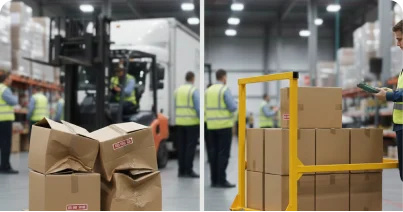
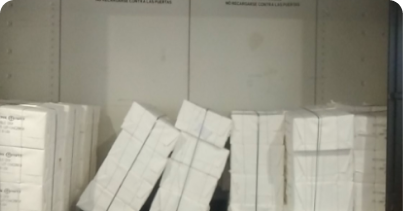
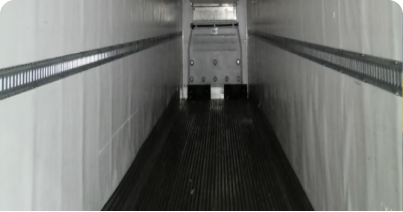
1. Pre Load Condition Verification: To satisfy an insurance adjuster, a blurry photo of a box from five feet away won’t cut it. You need three specific shots:
2. Weight Distribution Validation: At 50% and 75%, mid-load photos demonstrate consistent pallet placement, maintained airflow, and controlled weight distribution. These stages are critical in cold chain shipping, where airflow restriction often leads to temperature variance during transit.
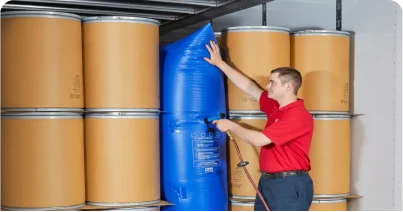
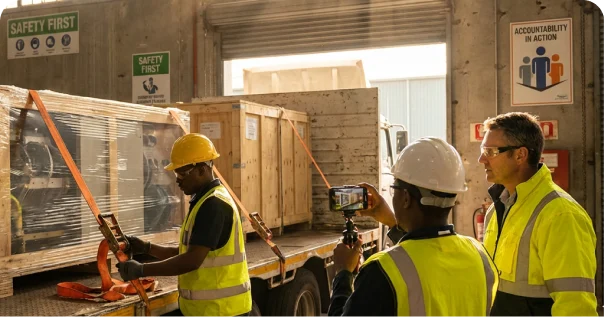
3. Securement Compliance Evidence: At 100% capacity, final images confirm securement, overall load integrity, and readiness for departure. When paired with seal verification, they complete the documentation cycle.

Documenting the Environment is as critical as documenting the freight

Effective cargo claims prevention requires more than images of product.
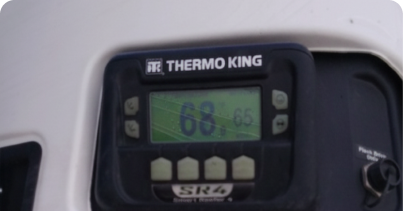
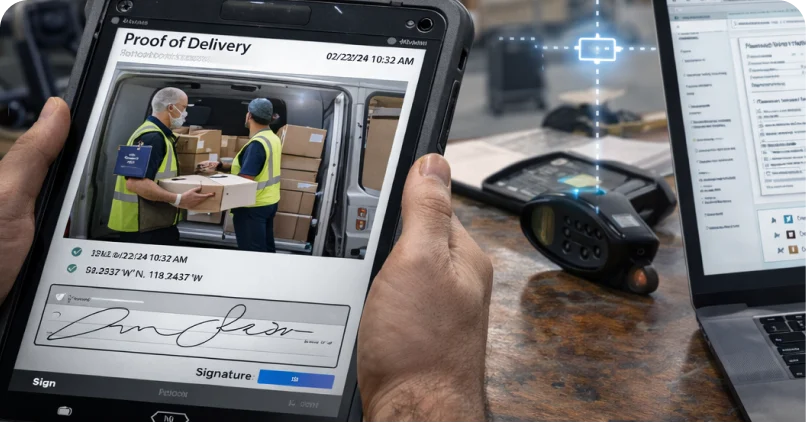
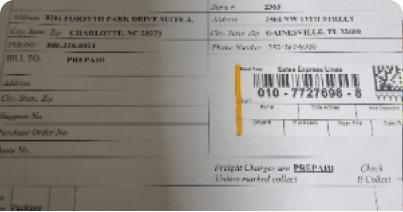
Clear photos of the trailer number, ideally both exterior and interior, remove equipment identification disputes. A time-stamped image of the reefer unit display showing the set temperature and actual air reading provides essential protection in temperature controlled logistics. Photographing the signed Bill of Lading alongside the loaded freight connects all visual evidence directly to the shipment.
When combined, these elements create defensible reefer shipping documentation that withstands scrutiny from insurers, carriers, and receivers.

Final Thoughts

Implementing a progressive photo data set adds only a few minutes to the loading process. The protection it provides can save weeks of investigation and thousands of dollars in product loss.
Organizations that formalize this documentation standard within their temperature controlled logistics operations often report fewer disputes and faster claim resolutions. More importantly, they replace reactive defense with proactive risk control.
When documentation is systematic, disputes lose leverage. Hence, proof captured correctly, becomes your strongest operational safeguard.
Share this Article
Dive Deeper