









OUR BLOG
Data Sets – Photo Data Set for Staging and then Loading

Closing the Warehouse Liability Gap: A 4-Point Standard

A Structured Visual Data Set Approach to Shipment Accountability
There is a fundamental question in supply chain operations: At what exact moment does freight truly leave the control of the warehouse?
Operational dashboards point to picking or packing completion, but the true shift in control happens during loading. Between the staging lane and the trailer door lies the warehouse liability gap, a high-risk window where freight is accounted for on paper but exposed in practice.
Within this gap, small breakdowns can trigger major financial consequences. Labels detach, pallets shift, and orders intermingle under pressure. By the time an issue surfaces at the destination, the trailer is gone, and traditional paperwork often fails to provide the evidence needed for logistics dispute resolution.

Moving Beyond Paperwork

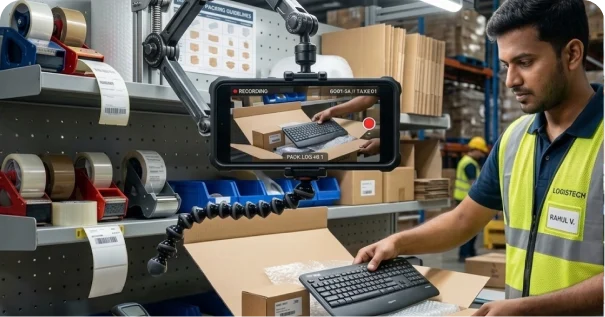
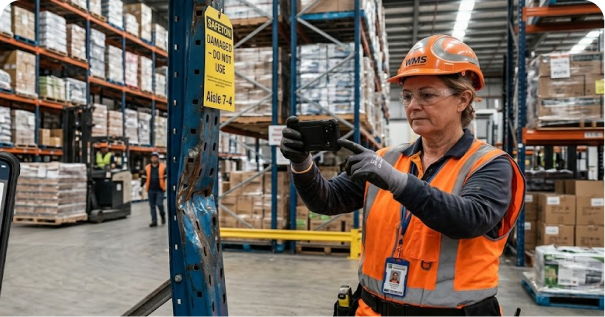
Closing this gap requires more than a signature; it requires a structured visual data set. By capturing the condition, identity, and transfer of freight in real-time, operations can establish an unassailable visual chain of custody.
Modern operations are addressing this through a 4-Point Verification Standard. This framework creates shipment accountability from the moment an item is staged until the trailer departs.

The 4-Point Verification Standard

1. The Staging Verification
The visibility gap typically exists between final wrap and the loading dock. Once a pallet is staged, it is susceptible to dock congestion or improper lane placement.
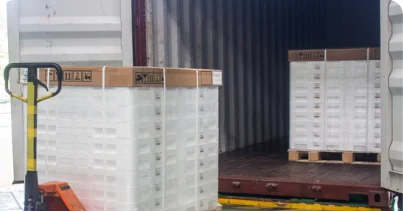
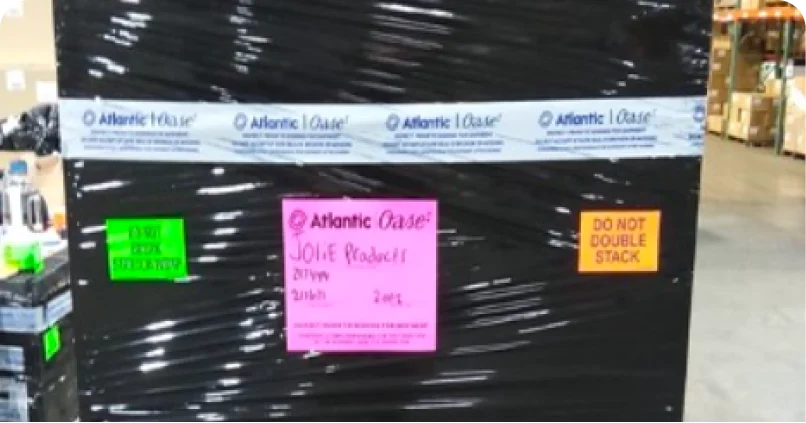
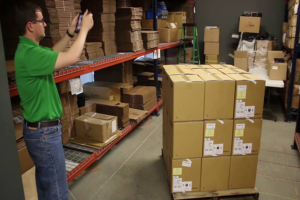
  • The Practice: Capturing a photograph of the pallet as it enters the staging lane provides proof that the load was intact, correctly wrapped, and positioned in the designated lane prior to loading.
2. The Digital Paperwork Link
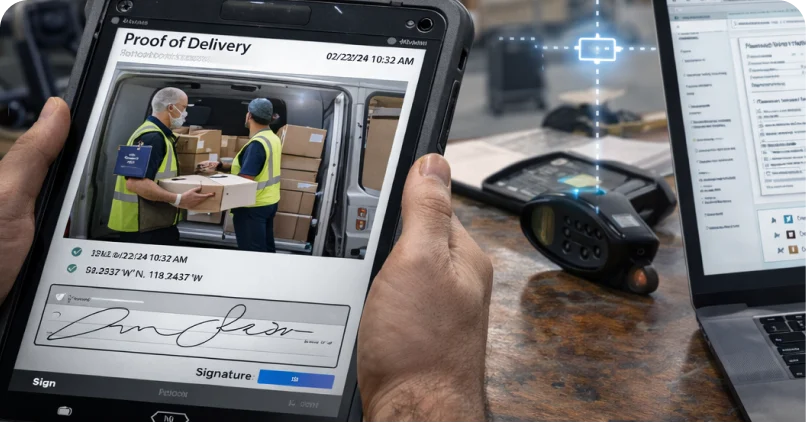
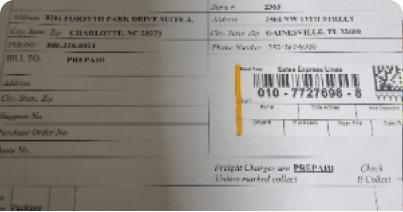
While paperwork is the legal backbone of logistics, physical documents are easily lost or damaged. A Bill of Lading (BOL) is a powerful contract, but it carries more weight when tied to a physical image of the freight.
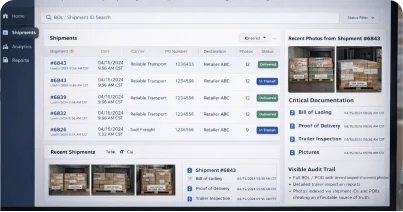
  • The Practice: High-resolution photography of the signed BOL and Packing Slip creates a “digital twin” of the order. This ensures documents are instantly retrievable, eliminating manual record searches during a claim.
3. The “After-Loading” Confirmation
Warehouse liability remains in effect until the carrier assumes full responsibility for the transit condition.
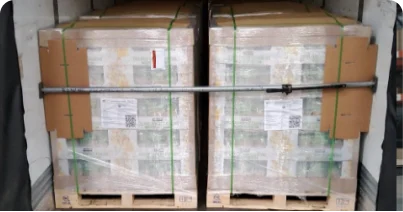
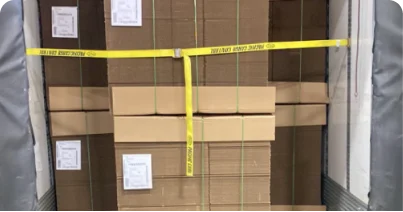
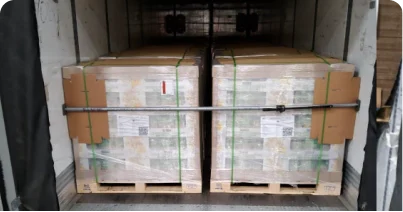
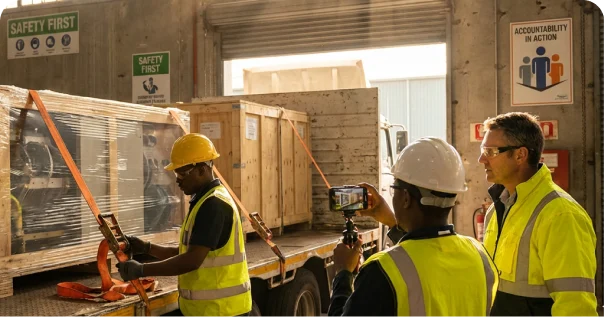
  • The Practice: Capturing an image of the freight inside the trailer, showing proper bracing or strapping, serves as definitive evidence. This confirms the carrier accepted the load in good condition and that no units were left on the dock.
4. The Seal and Trailer ID
The final point of control occurs when the trailer doors are closed. Without a record of the seal, the visual chain of custody remains incomplete.
  • The Practice: A final photograph of the closed trailer doors showing the Trailer Number and an Intact Seal provides the ultimate defence against tampering claims. This proves any breach occurred during transit, not at the origin.

The Impact on Operational Efficiency

Standardized documentation transforms logistics dispute resolution from a “he-said, she-said” argument into a fact-based exercise.
  • Mitigating Disputes: If a carrier asserts that a load shifted due to improper securing, “After-Loading” documentation provides a factual rebuttal.
  • Resolving Shortages: Visual records prove exactly which units entered the trailer, protecting the operation from unverified shortage payouts.
  • Workplace Excellence: Standardized documentation allows the floor team to demonstrate professionalism, fostering a culture of shipment accountability.
In logistics, the best defense is a clear set of facts. By documenting the “limbo” between staging and loading, operations replace uncertainty with evidence and reduce resources spent on claims investigations.
Share this Article
Dive Deeper