

OUR BLOG
KEEP AWAY FROM HEAT

Why Keep Away From Heat is the Most Important Rule on Your Dock

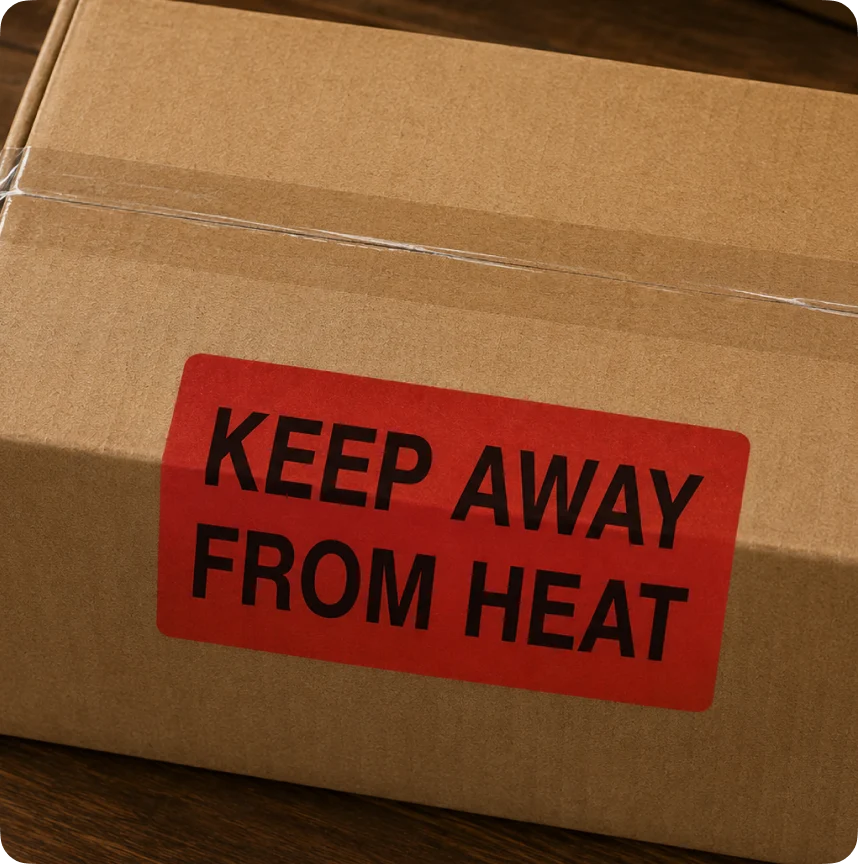
When you see a bright red “KEEP AWAY FROM HEAT” label, it isn’t just a suggestion, it is a warning that the entire shipment is at risk. From medicines to high-end cosmetics, heat is the fastest way to turn a valuable pallet into total trash. If that label is ignored, the fallout isn’t just a ruined product; it’s a massive financial loss and a ruined reputation for your warehouse.
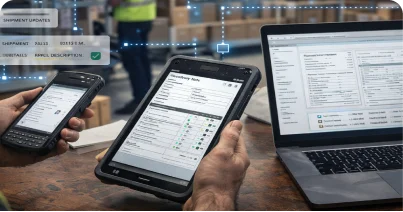
Successfully managing heat-sensitive cargo is about more than just a sticker. It requires a real-world strategy that combines physical protection with digital photo documentation so you have proof that the rules were followed.

Why Heat is the worst enemy

Keep Away From Heat
To protect from heat, you have to understand that “warm” is often enough to break a product. It isn’t just about things melting; it is about invisible chemical changes. This is where a temperature excursion (the product getting too hot for even a short time) causes the most damage:
  • Medicine Fails: Vaccines and drugs can become useless liquid if they get too warm. They might look fine, but they won’t save lives anymore.
  • Products Separate: In cosmetics or industrial chemicals, heat causes oils and waters to split. Once they separate, you can’t just shake them back together; the product is ruined.
  • Food Spoilage: In food logistics, heat allows bacteria to grow almost instantly, leading to health risks and total shipment rejections.
  • Warps and Melts: Extreme heat can warp plastic parts in electronics or melt the glue used in medical devices, causing them to fail when the customer tries to use them.

Strategy 1: The Physical Defense

  • High-End Insulation: Use vacuum-insulated panels or Phase Change Materials (PCMs). These can keep a specific temperature for days, not just hours.
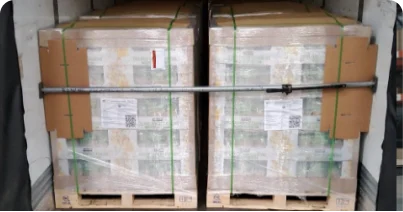
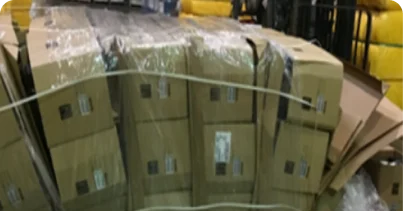
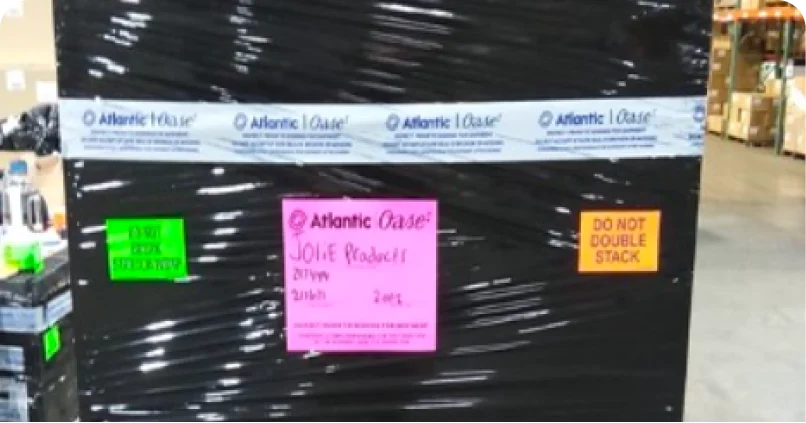
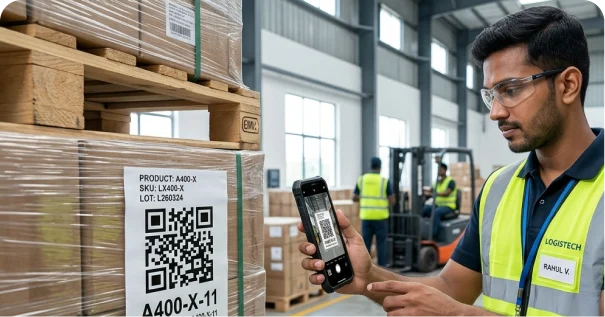
  • Smart Labeling: Put your “Keep Away From Heat” stickers on all four sides of the pallet. If you only put a label on the top, a forklift driver won’t see it once the pallets are stacked. Also, make sure your shrink wrap isn’t covering the warning. If the driver can’t see the label, they might leave the pallet on a hot loading dock instead of moving it to a cool zone.

Strategy 2: Using Digital Photo Documentation

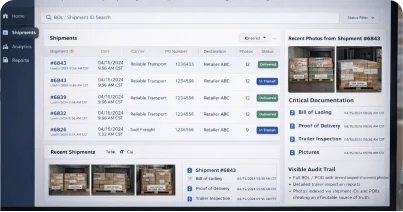
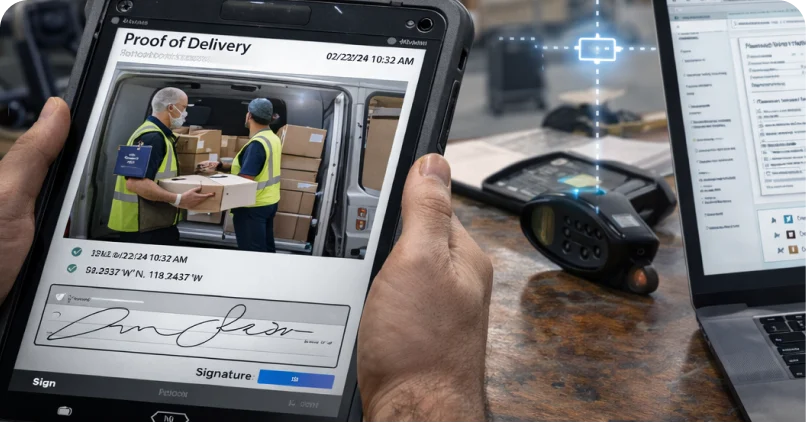
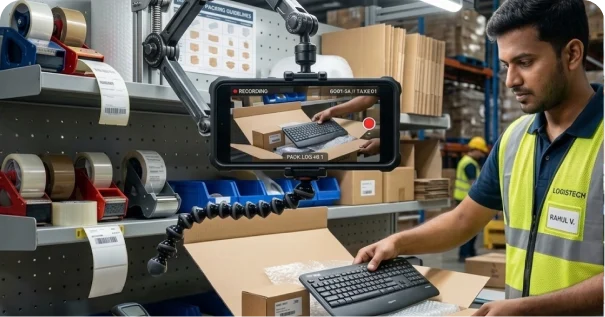
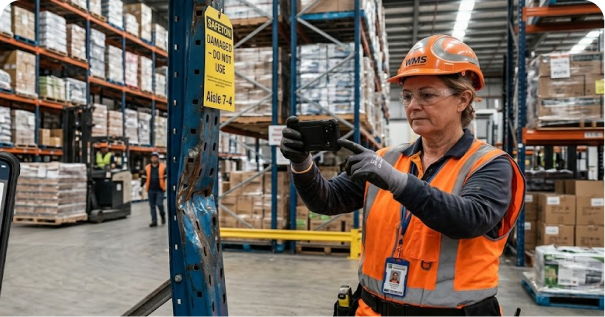
If the packaging is the shield, then digital photo documentation is your insurance policy. While labels tell people what to do, photos prove that they actually did it.
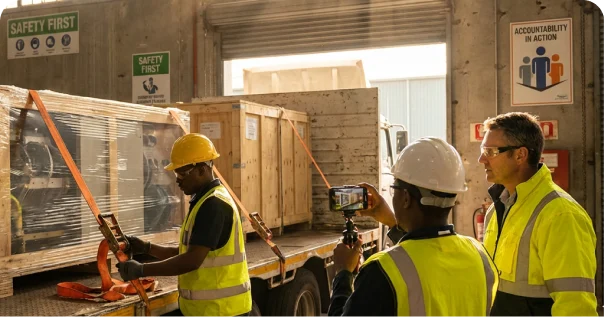
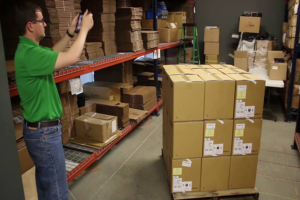
  • Create a Starting Point: By taking a photo during loading, you prove the shipment was compliant before it left your sight. It shows the labels were on, the cooling packs were active, and the pallet was in good shape.
  • Better Supply Chain Visibility: You should take photos at every hand-off point. This gives you total supply chain visibility. If a pallet is sitting in the sun at a transit hub, a photo can prove exactly who left it there. You can intervene before the product is ruined.
  • Fix Disputes Fast: If a customer claims the product arrived warm, photos act as proof. It moves the conversation from to hard facts. This level of accountability can speed up insurance claims by 40% because you have the evidence ready to go.

Accountability saves the bottom line

In an industry where a 2-degree temperature excursion can lead to a million-dollar loss, you can’t just “hope” for the best. Protecting cargo is about the details. By using the right insulation and the undeniable proof of photo documentation, you turn your logistics process into a competitive advantage.
The goal is simple: make sure the product that reaches the customer is just as safe as the day it was made.
Share this Article
Dive Deeper