








OUR BLOG
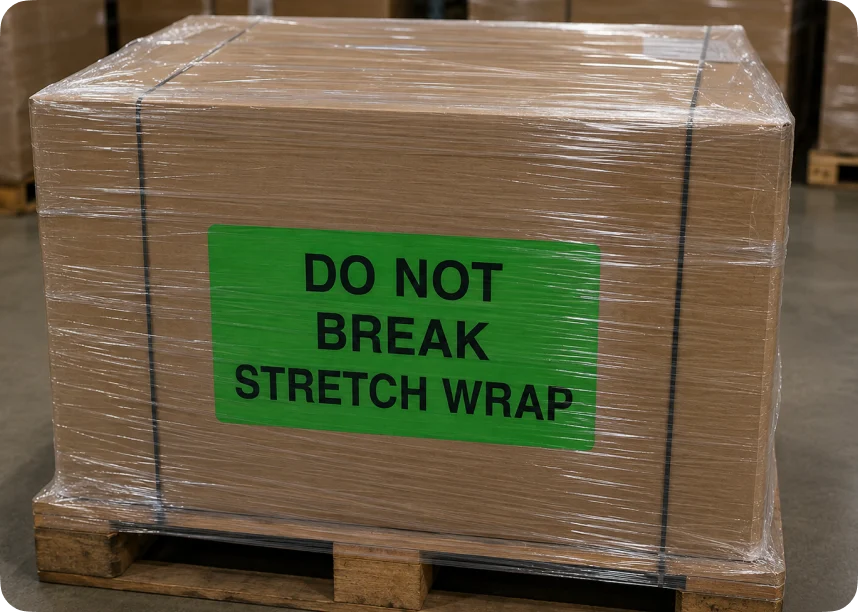
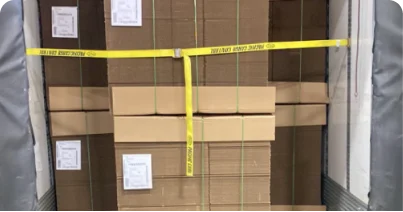
Do not break stretch wrap label

Why Stretch Wrap Pallet Integrity is a Critical Warehouse Best Practice

Warehouses today are incredibly advanced, featuring AI sorting, robots, and real-time tracking. Yet, inventory disputes remain a persistent problem. While tracking has gone digital, human behavior on the floor hasn’t changed.
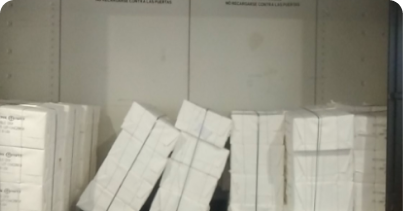
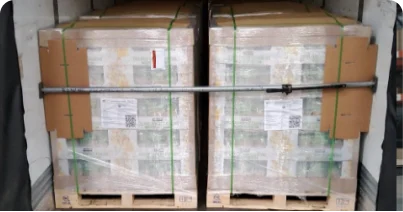
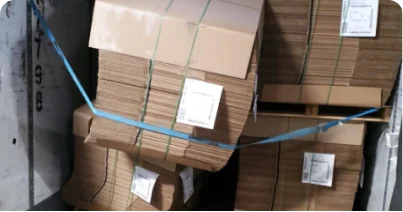
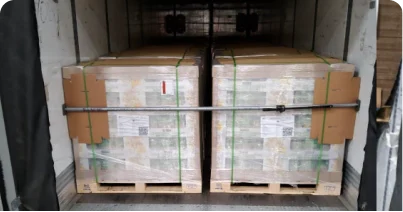
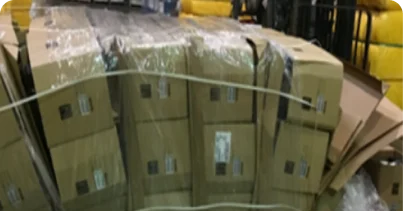
In my years on the floor, I’ve seen this play out thousands of times. We build a pallet following every warehouse best practice, stacking correctly and wrapping tightly. But once it leaves the dock, “breakers” often unwrap it too early to check a carton or save space.
This is where the problems begin.
Do not break stretch wrap label

The Pallet Breakpoint Problem

The Pallet Integrity Paradox is simple. Most “breakers” aren’t doing anything wrong on purpose. They’re just trying to get the job done faster; maybe a driver wants to squeeze in one more box, or a receiver opens the wrap just to check a carton at the bottom.
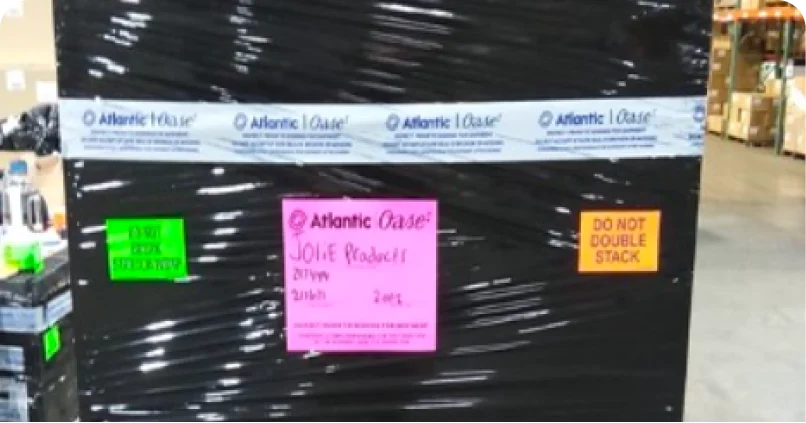
But the second that stretch wrap is cut, the Paradox kicks in. Safety, accountability, and cost control all start slipping away. That is why the neon “DO NOT BREAK STRETCH WRAP” label is not just a reminder; it is a critical protocol for maintaining stretch wrap pallet integrity throughout the supply chain.

Why This Label is Your Best Friend

Making this label a standard warehouse best practice changes the game in three ways:
  1. Improves Inventory Accuracy: Early unwrapping causes boxes to get separated. If your system expects 50 units but the physical count shows 48, your accuracy fails. Keeping the wrap intact ensures your warehouse inventory management stays 100% accurate.
  2. Sets Clear Handling Rules: If the wrap is broken, something is wrong. It tells carriers and teams: “don’t touch until it’s officially being received.” This simple rule reduces avoidable handling mistakes.
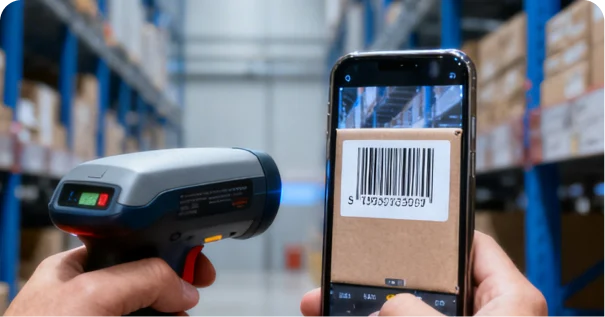
  3. Speeds Up the Line: High-volume 3PL operations use these labels to enable “Blind Receiving.” Instead of counting every carton, teams scan the pallet ID and move it straight to storage, significantly improving labor efficiency.

Strategy: Placement and Digital Proof

A label loses its value if it’s hidden. It must be visible during the warehouse receiving process.

  • Placement: Apply labels on the outside of the stretch wrap on all four sides at eye level. Whether a driver approaches from the front or side, the instruction must be impossible to miss.
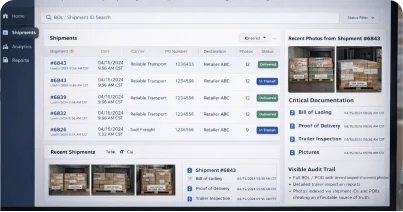
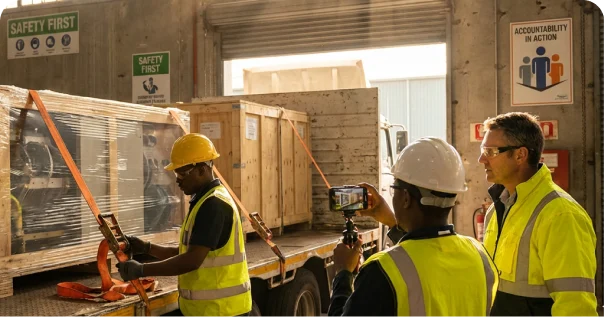
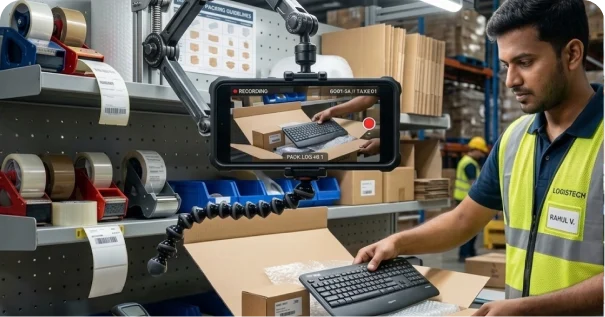
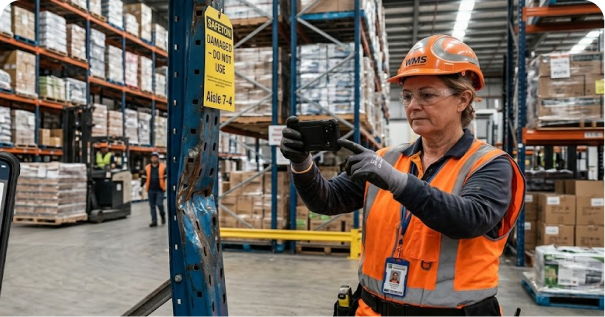
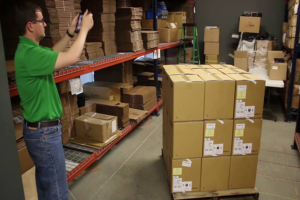
  • Digital Proof: A label sets the instruction, but a photo records the reality. A timestamped image confirms, “This is how it left the dock.” This creates an accountability layer. If tampering is reported during the warehouse receiving process, the photo serves as proof of the outbound condition.

What Can Be Done Today

To prevent disputes and maintain high-level warehouse inventory management, follow these three steps:
  • Label Every Pallet: Apply it to anything that must remain intact, especially high-value goods.
  • Snap a Shot: Photograph the pallet before it’s loaded. Without a photo, you cannot defend your work if a carrier mishandles the shipment.
  • Stop the Slicing: If a pallet is labeled “Do Not Break,” it means exactly that. No peeking, no squeezing in extra boxes, and no exceptions.

Final Thought

A “Do Not Break Stretch Wrap” label is a vital control point. It protects the work executed between shipping and receiving. In an industry focused on speed, the most effective improvement isn’t always a system upgrade; it’s a clear instruction, placed correctly and enforced every time. In warehousing, small breaks in process often lead to the biggest operational failures.
Share this Article
Dive Deeper