



OUR BLOG
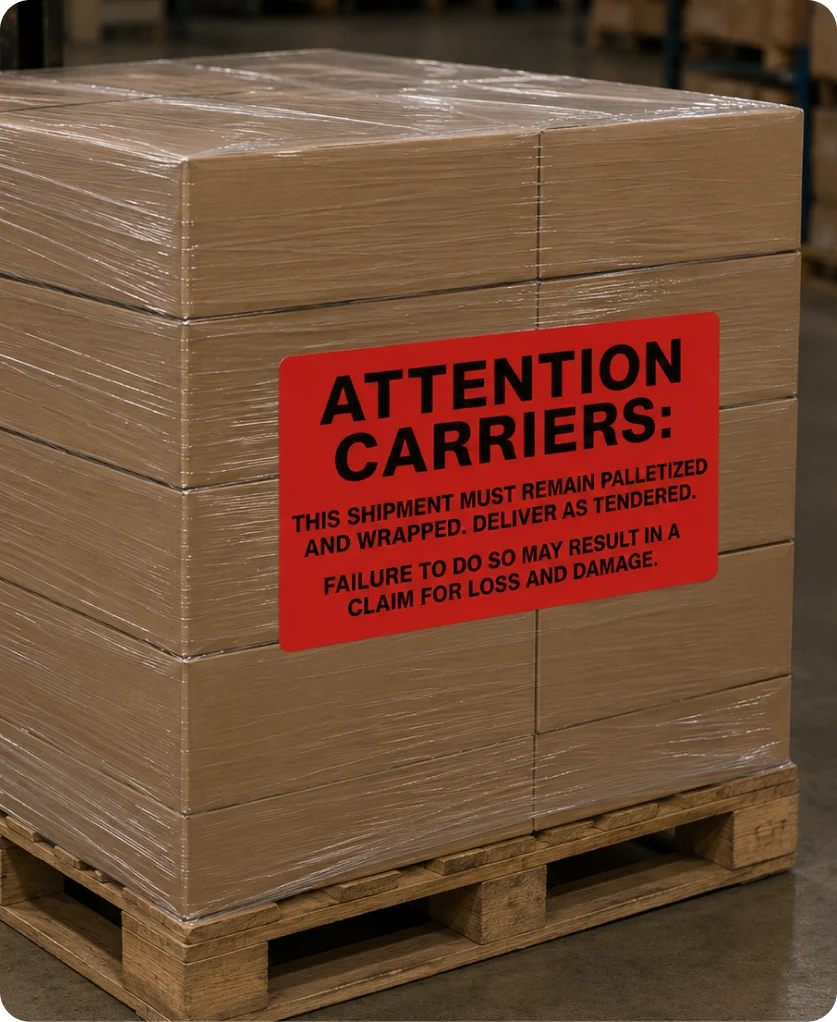
Deliver as Tendered / Stretch Wrapped by Shipper – Move and Deliver Intact Label

Unitization in Logistics: How Palletized Shipping Prevents Damage

Cargo damage remains a costly challenge across supply chains. Industry studies estimate that damaged freight results in significant losses each year, often caused by improper handling during transportation. For many warehouse and logistics teams, improving palletized shipping practices is one of the most effective ways to reduce these losses.
One of the most reliable methods for protecting shipments is unitization in logistics, a process that keeps goods secured together as a single, stable load during transit.

What does "Unitization" actually mean?

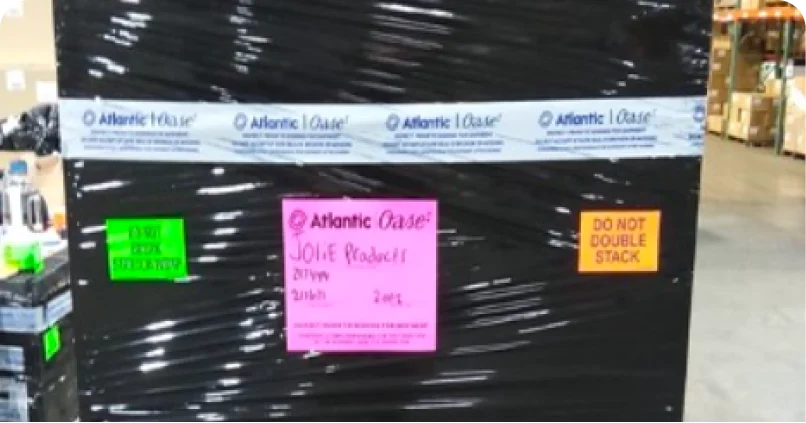
It sounds like a big corporate word, but the concept is simple: keep the shipment together as one solid, secured unit. When we utilize palletized shipping, we are giving the carrier a clear Deliver as Tendered instruction: You received this pallet in this exact condition. Do not break it down, do not peel off the wrap, and do not hand stack these boxes to save space.
3 Reasons Why Unitization Matters to Your Team
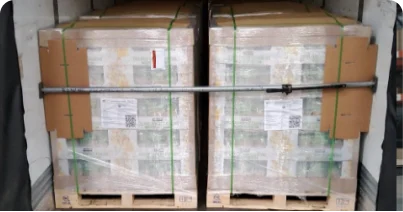
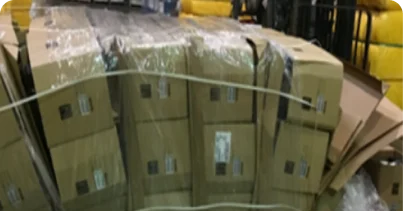
  1. It Stops Damage: A well-built pallet is like a fortress. When boxes are stacked corner-to-corner and you properly stretch wrap pallets, they don’t shift or topple when the truck hits a bump. The wrap acts like a seatbelt, holding everything steady so nothing gets crushed.
  2. It Prevents “Missing” Boxes: It’s a lot harder for a 1,000-lb piece of palletized freight to go missing than a single small carton. If the shrink wrap is still tight and unbroken at the destination, everyone knows the freight wasn’t tampered with. If the wrap is torn, it’s an immediate red flag for theft.
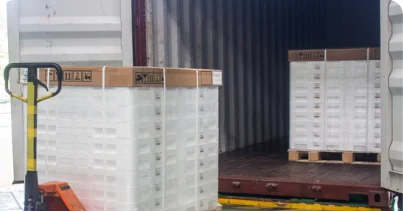
  3. It Increases Efficiency: Hand-loading a trailer box-by-box is back-breaking work. Moving palletized freight with a forklift takes seconds. Keeping shipments unitized keeps the dock moving fast and prevents workplace injuries caused by repetitive lifting.
Deliver as Tendered

Four Pillars of a Well-Built Pallet

For unitization in logistics to work effectively, warehouse teams should follow a few essential best practices.
  • Column Stacking: Align box corners directly on top of each other. This maximizes vertical strength and avoids the “pyramid effect” that leads to crushed cartons.
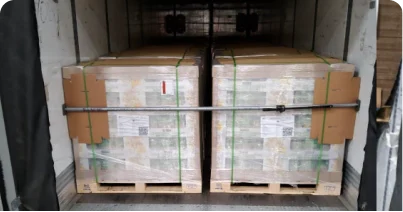
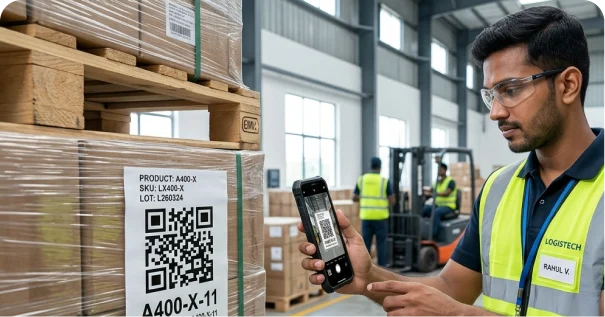
  • Strategic Wrapping: Use at least 3–5 layers of high-quality film. When you stretch wrap pallets, ensure the load is “married” to the pallet base so it cannot slide off during transit.
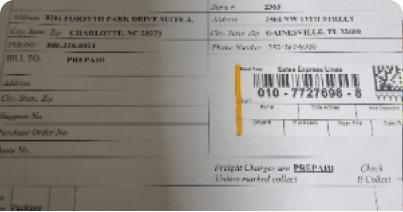
  • High-Visibility Labeling: Apply bright “Deliver as Tendered” labels on multiple sides. This tells the carrier that if they break the pallet, they assume the liability for any damage.
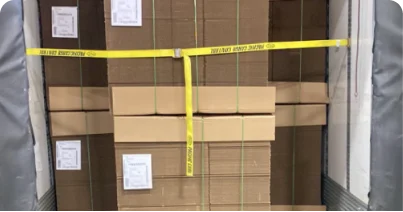
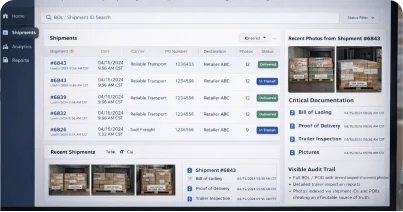
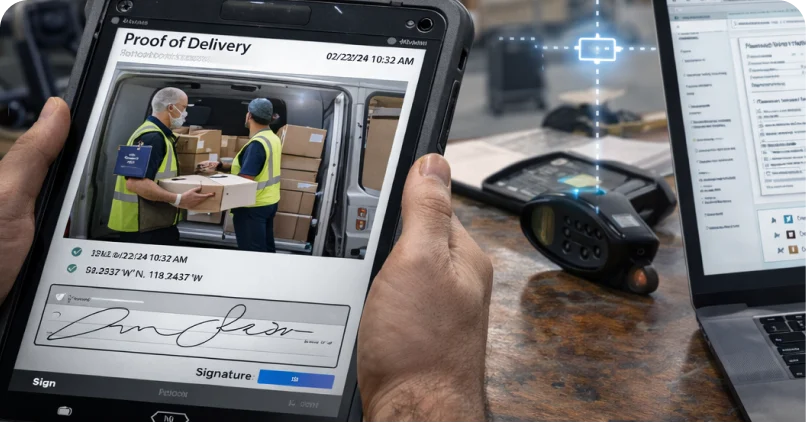
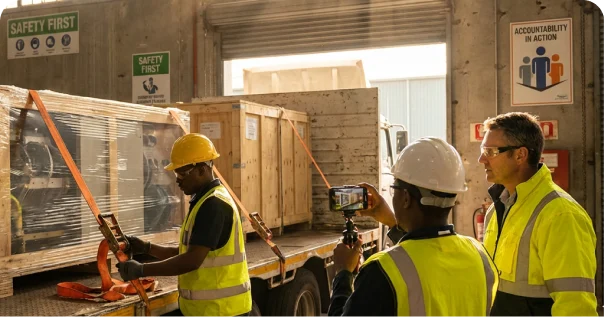
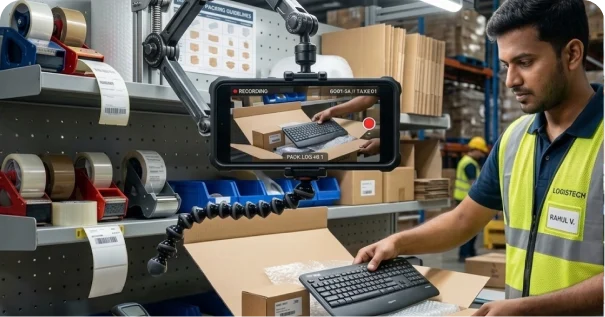
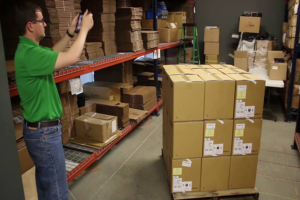
  • Photo Documentation: A label says you wrapped it; a photo proves it. In the world of palletized shipping, having a visual record before the trailer door closes is your best defense against future claims.

The Consequences of Breaking the Pallet

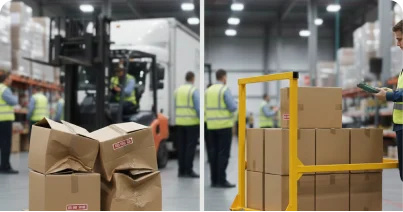
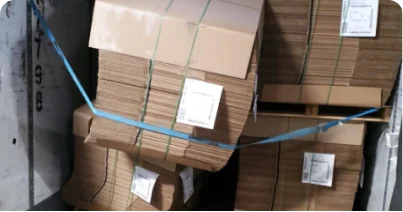
When a carrier un-stacks a pallet to save space, they are disrupting the core goal of unitization in logistics. By breaking that unit, they move the liability onto their own shoulders. Without clear labeling and photo evidence, disputes quickly spiral into expensive finger-pointing. Unitization defines the boundary: the pallet left intact, and it must arrive intact.

Conclusion

In logistics, small details carry the biggest impact. Palletized shipping might look like a routine task, but it is your best defense against claims. By stacking smartly, wrapping securely, and documenting the process, you build a culture of accountability that saves time and money.

The takeaway is simple: don’t underestimate the power of unitization. Sometimes, the difference between a costly claim and a smooth delivery is just one pallet, one wrap, and one label placed in the right spot.

Share this Article
Dive Deeper