





OUR BLOG
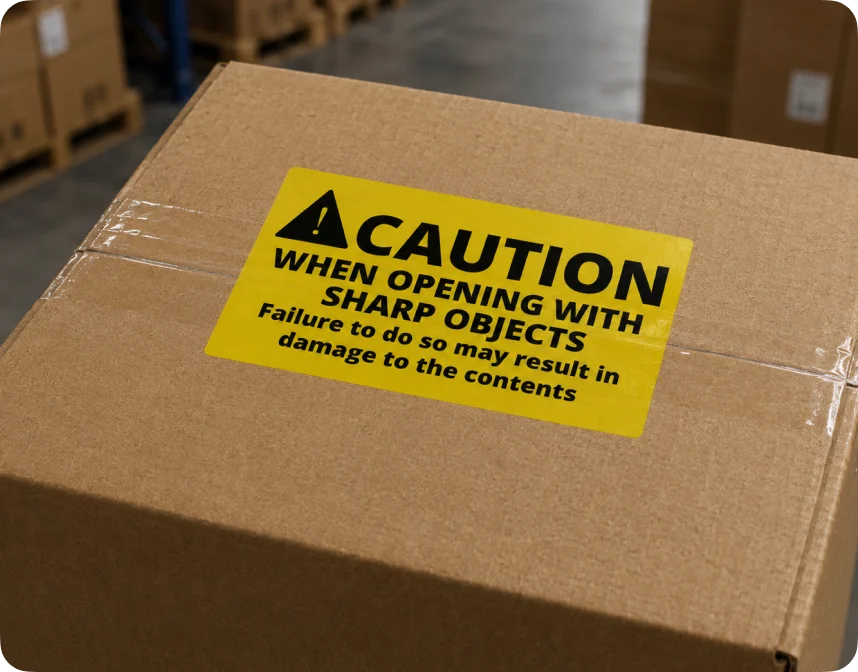
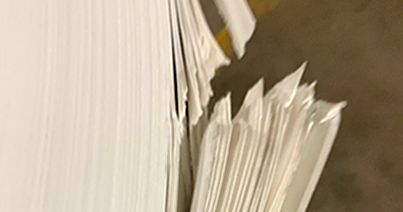
Caution label when opening with sharp objects

How to Stop Cargo Damage with the Right Warehouse SOP

The yellow “Caution” label on a box is there to tell you one thing: there is no room for error. When a supplier puts that sticker on a carton, they are giving anyone who handles it a clear heads-up that the product is pressed right against the tape. It doesn’t matter whether that box is coming off a truck, moving through a distribution center, being picked for an order, or sitting at a returns bench — if a worker jams a blade into it without thinking, they aren’t just opening a package. They are likely slicing a sofa, a bag of chemicals, or an expensive product.
This kind of mistake is entirely avoidable. Preventing cargo damage requires consistent habits at every workstation, from inbound receiving all the way through to fulfillment and returns. For any manager, the “Caution – When Opening with Sharp Objects” label is one of the simplest tools available to protect the bottom line. When a product gets cut during handling, it is almost impossible to recover that cost from a supplier or carrier. Your facility ends up stuck with a ruined item that cannot be sold.
By adding a few deliberate steps to your warehouse standard operating procedure, you can make sure your team respects these warnings wherever they encounter a “Caution” carton — from the dock to the shelf to the returns bench.
Caution label when opening with sharp objects

The Warning Sign for Concealed Damage

Think of the “Caution” label as a red light. It means “stop and check your tool,” regardless of where you are in the warehouse. Most suppliers now use “right-sized” boxes to cut shipping costs, which leaves no safety gap between the tape and the product inside. This is exactly where concealed damage prevention becomes critical, and it applies equally to inbound receiving, outbound fulfillment, and everywhere in between.
“Concealed damage” is the professional term for a product that looks fine on the outside but is actually ruined inside. A blade nick during picking or returns processing is just as costly as one on the receiving dock. Treating the “Caution” label as a universal signal, not a dock-only warning, is the foundation of a strong damage prevention program.
1. Standardize Your Cutting Tool Across the Entire Facility
The easiest way to respect a “Caution” label is to eliminate dangerous tools entirely, at every workstation. A standard utility knife is a big risk on any floor because the blade can be pushed out too far. Instead, your team should be equipped with safety box cutters as the standard tool for opening cartons throughout the facility.
These tools are built so the blade extends just enough to slice through tape without reaching the product inside. By making them the only approved tool for opening cartons, whether at the dock, a pick station, or a return area, you take the guesswork out of the job and remove the chance of a costly mistake at any stage.
2. Teaching the “Shallow Cut” Technique
Even with the right tool, blade discipline matters. Your warehouse standard operating procedure should include a clear rule: the blade extends no more than one “notch,” roughly 1/8th of an inch. That is enough to cut tape, and nothing more.
As a manager, run quick blade checks across all areas of the floor. If you spot a worker with a blade extended two or three inches while opening a box, stop them immediately. A shallow cut takes the same amount of time as a deep one, but it keeps the blade in the tape and away from the product. Build this into your onboarding and your regular floor audits so it becomes second nature for the whole team.
3. Change the Cutting Path on Every “Caution” Carton
Most people instinctively cut straight down the middle seam of the box. On any carton with a “Caution” label, that is exactly the wrong move. A better technique is to cut the tape along the side edges of the flaps first.
When using safety box cutters with this technique, cutting the sides allows the top of the box to lift up safely without a blade ever pointing toward the center of the carton. This creates a small “viewing gap” so the worker can see where the item is sitting before going any further. Once they can see the product clearly, they can pull the remaining tape off by hand. This approach applies everywhere your team opens boxes, receiving, fulfillment, quality control, or returns, and it can prevent thousands of dollars in ruined inventory over time.
4. Photo Documentation Before Opening — at Every Stage  
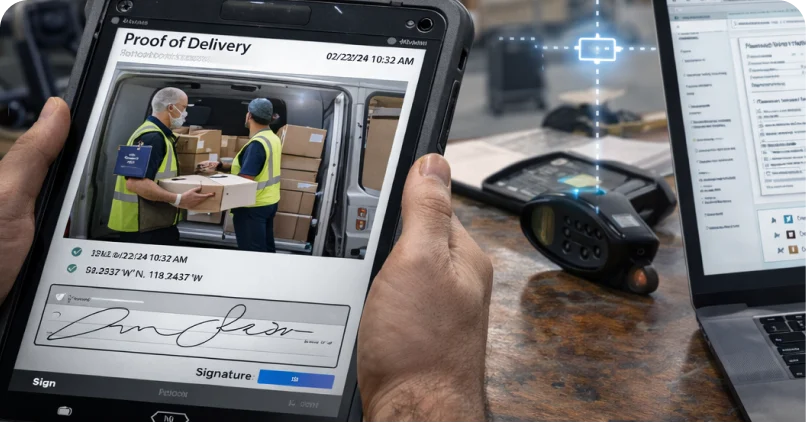
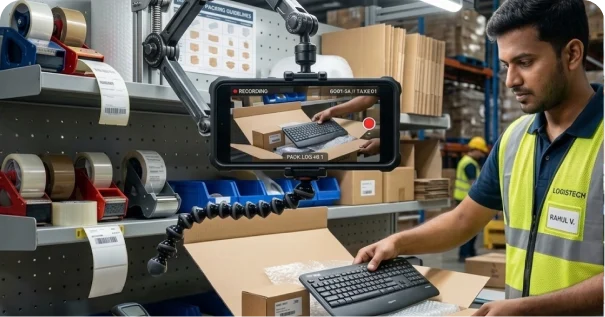
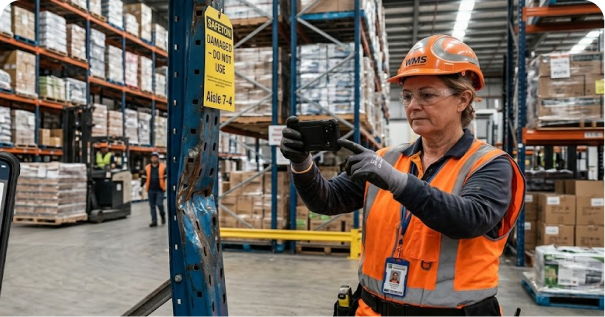
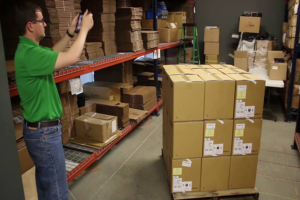
Before anyone picks up a box cutter, the carton should be visually inspected. If the “Caution” label is already torn or the box shows any sign of damage, a dent, a hole, a crushed corner, the worker should take a time-stamped photo before opening it, regardless of which area of the warehouse they are working in.
These photos are your strongest defense if you need to file a damage claim. If a problem is found inside later, you need to be able to show that the box was already compromised at the time it was opened, not at some earlier or later point in the process. Consistent photo documentation at every handling stage removes ambiguity and protects your team when disputes arise.

Summary

The yellow “Caution – When Opening with Sharp Objects” label is a universal signal, not a dock-specific one. It applies to every worker, at every workstation, at every stage of handling. Building a culture that respects it across the whole facility is one of the most effective steps a warehouse manager can take toward preventing cargo damage before it happens.
Enforce shallow cuts, train the side-cut technique, equip every station with the right cutting tools, and document carton condition before opening. When your team handles every “Caution” carton with the same disciplined routine, wherever they encounter it, damage rates drop and inventory stays exactly how it should be: intact and sellable.
Share this Article
Dive Deeper