






OUR BLOG
Protect From Heat

Beating the Tarmac Heat: A Practical Guide to Temperature Sensitive Shipping

Temperature exposure is a major risk in modern supply chain operations. Unlike a physical impact that leaves a crushed corner or a visible puncture, temperature damage often happens deep inside the product’s molecular structure. Whether you are moving pharmaceuticals, specialized electronics, or volatile chemicals, a “Protect From Heat” marking isn’t a suggestion but it’s a critical boundary. Once a shipment crosses its thermal threshold, the damage is often irreversible, leading to warped components, degraded active ingredients, and total cargo loss.

Mastering temperature sensitive shipping requires more than just a climate-controlled trailer; it requires a culture of discipline that starts on the loading dock and ends with a time-stamped digital record.

Why Static Labels Fail Without Active Handling

A label is only as effective as the person reading it. The biggest risk in heat protection handling is “operational blindness”, the tendency for dock workers to treat every pallet with the same sense of urgency. When a pallet marked for heat protection sits on a sun-drenched tarmac for even thirty minutes, the internal temperature can spike by 20 degrees or more.

This is why your facility’s SOP (Standard Operating Procedure) must treat these labels as “Priority One” cargo. If a truck arrives and a heat-sensitive pallet cannot be moved directly into a shaded or climate-controlled zone, the doors should stay shut. Temperature sensitive shipping is a game of minutes, and the cost of a delay is far higher than the cost of a few extra steps.

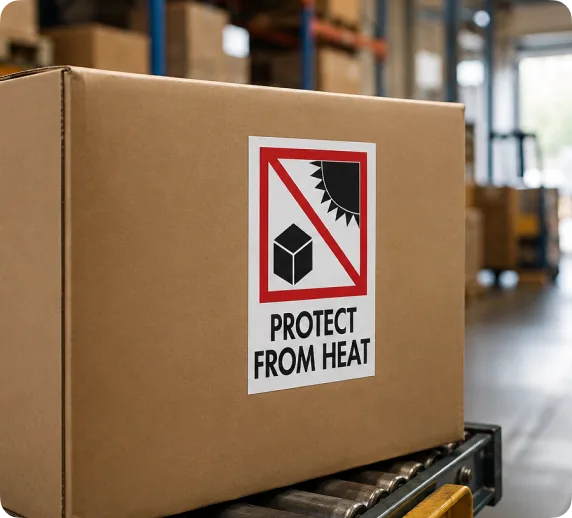
Carton on a conveyor with a red and white PROTECT FROM HEAT label

Phase 1: The "Cool Zone" Warehouse Strategy

Effective heat protection handling begins long before the truck arrives. In a large facility, ambient temperatures vary wildly. To maintain integrity, warehouse managers should enforce “Cool Zone” mapping:

  • Avoid the Rafters: Heat rises. Never store temperature-sensitive goods on high racks where warehouse temperatures are at their peak.
  • Buffer the South Wall: Walls facing the sun act as giant radiators. Ensure a minimum 5-foot buffer zone between sensitive pallets and exterior walls.
  • Airflow Management: Stagnant air is a heat trap. Utilize industrial fans and localized cooling units to keep air moving around pallets marked for thermal protection.

Phase 2: Tactical Use of Thermal Protection Packaging

In an ideal world, the cold chain is never broken. In reality, cross-docking and staging areas are where most failures occur. This is where thermal protection packaging acts as your final line of defense.

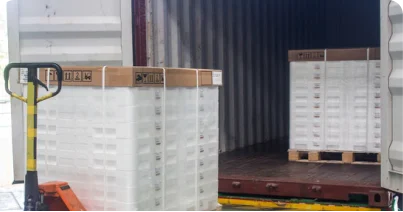
Using radiant barriers or insulated pallet shrouds provides a vital “safety net” during those 15 to 20 minutes when a pallet is exposed to the elements during loading. This packaging doesn’t just keep the product cool; it deflects radiant heat from the sun and asphalt, buying your team the time they need to complete a secure transfer. Investing in high-quality thermal protection packaging is a one-time cost that prevents million-dollar insurance claims.

Phase 3: The Digital Receipt: Logistics Photo Documentation

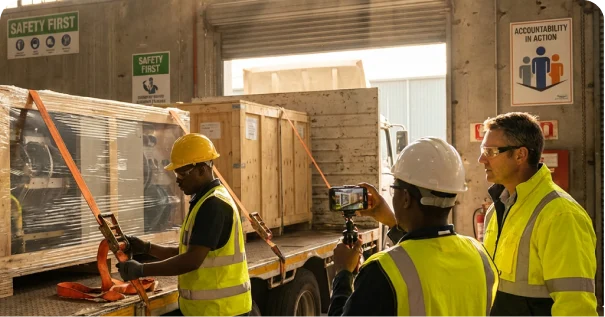
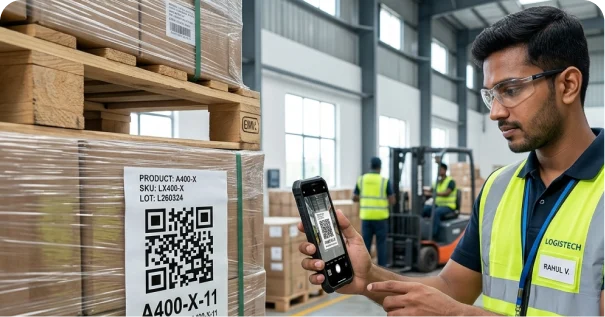
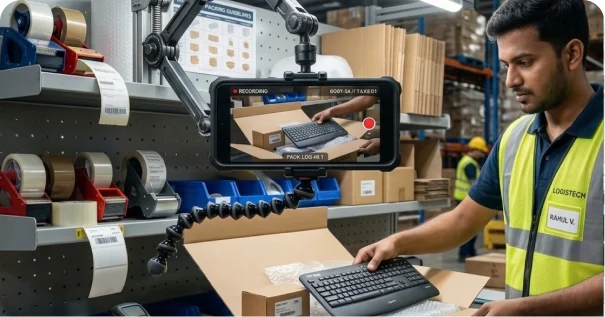
In modern logistics, “doing the work” isn’t enough; you must be able to prove it. This is why photo documentation has become the gold standard for high-stakes shipping. Because heat damage is invisible, customers will often blame the last person who touched the box.

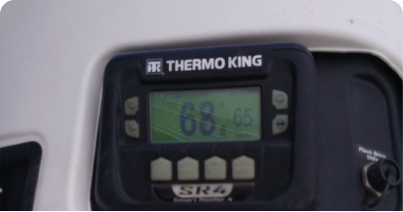
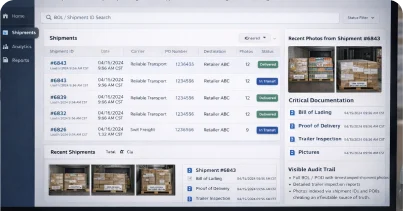
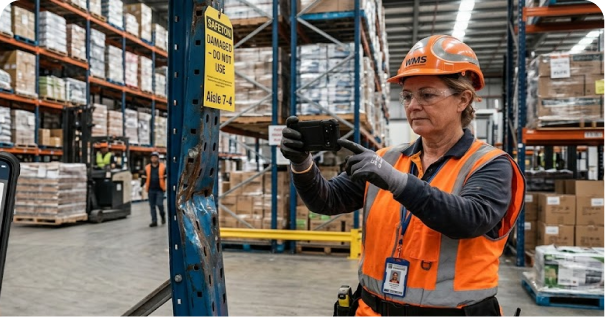
By using mobile devices to capture timestamped photos at every handoff, you create a visual audit trail:

  1. At Pickup: A photo showing the pallet in a shaded area with the “Protect From Heat” label clearly visible.
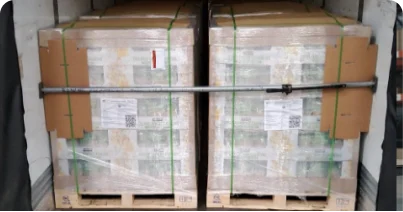
  2. During Loading: A photo showing the pallet’s position inside the trailer, away from the engine wall.
  3. At Delivery: A final photo of the pallet upon arrival, confirming that the thermal barriers are still intact.

This photo documentation is your ultimate protection against unfair OS&D (Over, Short, and Damaged) claims. It shifts the burden of proof from your team to the data.

The Danger of the "Quick Fix"

If a shipment is accidentally exposed to heat, the instinct is often to rush it into a cold room. Stop. This “thermal shock” can cause condensation to form inside the packaging, leading to mold or electrical shorts. Proper heat protection handling means consulting the Safety Data Sheet (SDS) and allowing the product to stabilize gradually.

Final thoughts

A “Protect From Heat” marking only works when it is backed by a disciplined operation. By combining strategic storage, advanced thermal protection packaging, and rigid logistics photo documentation, you turn a simple label into a robust control system. Today the leaders in logistics are not only the ones who move the most boxes, but also they are the ones who protect the integrity of every single pallet.

Share this Article
Dive Deeper