





OUR BLOG
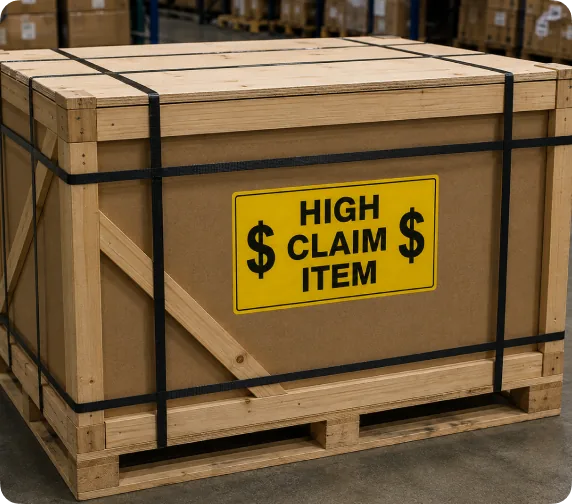
High Claim Item label

Warehouse Security Label: Best Practices for High-Value Freight

In logistics, value does not always announce itself loudly. Sometimes it arrives in a plain carton, moves through a busy dock, and looks just like everything else, until something goes wrong. That is where the warehouse security label earns its place.

A high claim item is not simply a shipment with a sticker on it; it is a package that tells your operation, “Handle me differently.” It may carry a high declared value, require extra care, or need tighter security controls because the cost of damage, loss, or mishandling is far greater than ordinary freight. In a fast-moving warehouse, that small warning can make the difference between controlled handling and an expensive claim.

When Value Blends Into the Noise

The challenge in a warehouse is not that people ignore risk; it is that they are surrounded by motion, volume, and pressure. Drivers want to move, receivers want to clear the dock, and pickers want to keep pace. In that environment, high-value shipments can easily disappear into the rhythm of routine work.

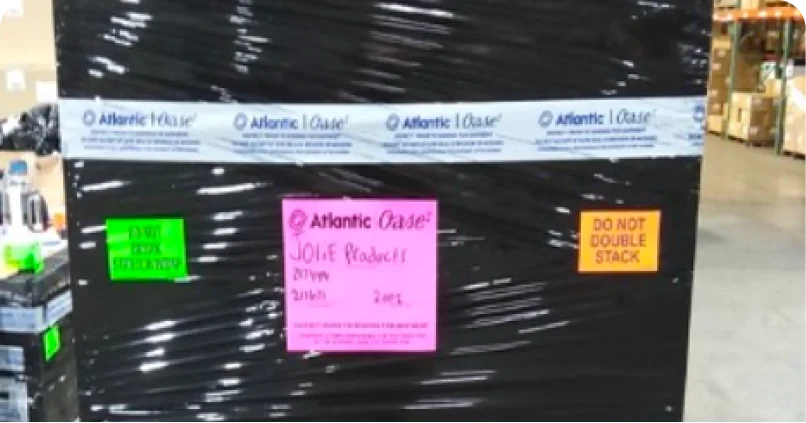
That is why the warehouse security label matters. It creates a visible pause. It tells the team that this shipment deserves a higher level of attention before it is stacked, staged, loaded, or transferred. Without that signal, the freight is treated like standard inventory, and the operation absorbs the risk later in the form of damage claims, missing items, or customer disputes.

Wooden crate on a pallet with a yellow HIGH CLAIM ITEM label

Best Practices for Using the Label

To make a warehouse security label effective, it must be visible, consistent, and supported by a clear process.

  • Place it where people will actually see it: The label should be easy to spot on the outer packaging—do not hide it under stretch wrap or tuck it into a corner.
  • Use it early in the workflow: The sooner the shipment is identified, the sooner handlers can apply the right level of care.
  • Keep it legible: Bright, high-contrast, or fluorescent colors work best because they stand out in warehouse lighting and busy dock environments.
  • Train the team on the meaning behind it: A label only works if the staff understands the action it requires. Make sure pickers, packers, and couriers know exactly how to respond.
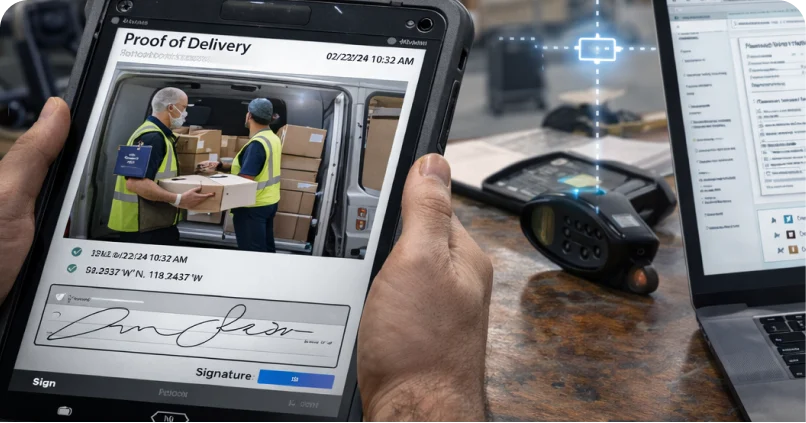
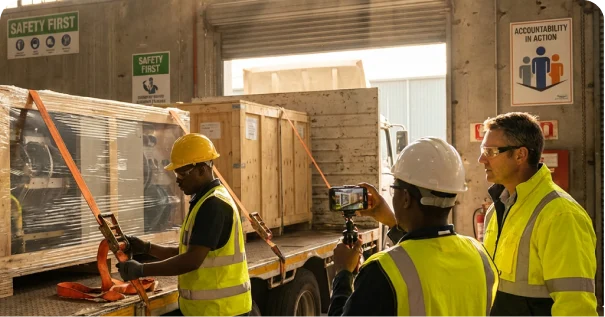
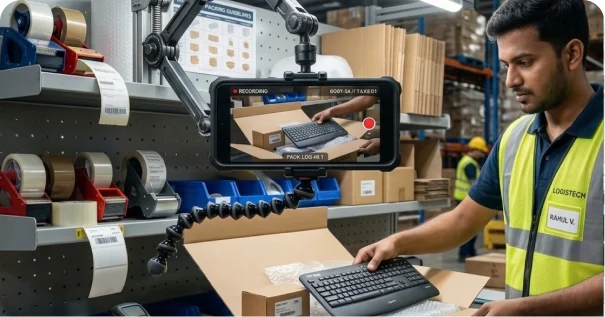
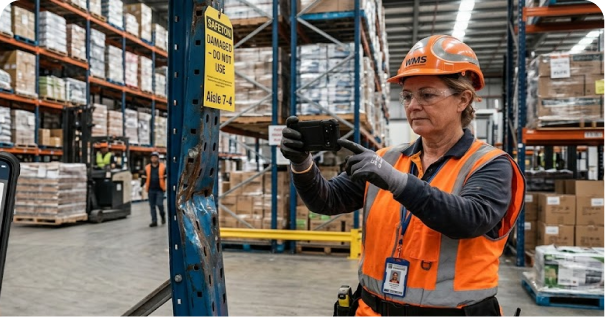
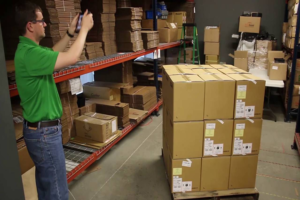
  • Pair it with documentation: A cargo handling best practice is to stop and document the freight’s condition as soon as the label is seen. Photo capture becomes the second layer of protection, especially when a shipment needs a concealed damage inspection before it is accepted.

Visibility Creates Accountability

In warehouse operations, the best controls are often the simplest ones. A warehouse security label works because it makes risk visible before the damage is done. It gives the team a cue, creates accountability, and supports better handling decisions.

The label may be small, but the message behind it is not. It says: this shipment matters, and how you handle it matters too. In that sense, the label is not just about identification, it is about protecting value through discipline, attention, and visual proof.

Final Thought

When used well, the label becomes more than a sticker. It becomes a practical tool for reducing risk, improving accountability, and supporting consistent cargo handling best practice across the operation. By combining clear labeling with structured inspection and photo documentation, teams can strengthen their approach to concealed damage inspection and reduce the chances of small handling mistakes turning into expensive claims.

Because in a busy warehouse, it is often that one extra second of attention that makes all the difference.

Share this Article
Dive Deeper