



OUR BLOG
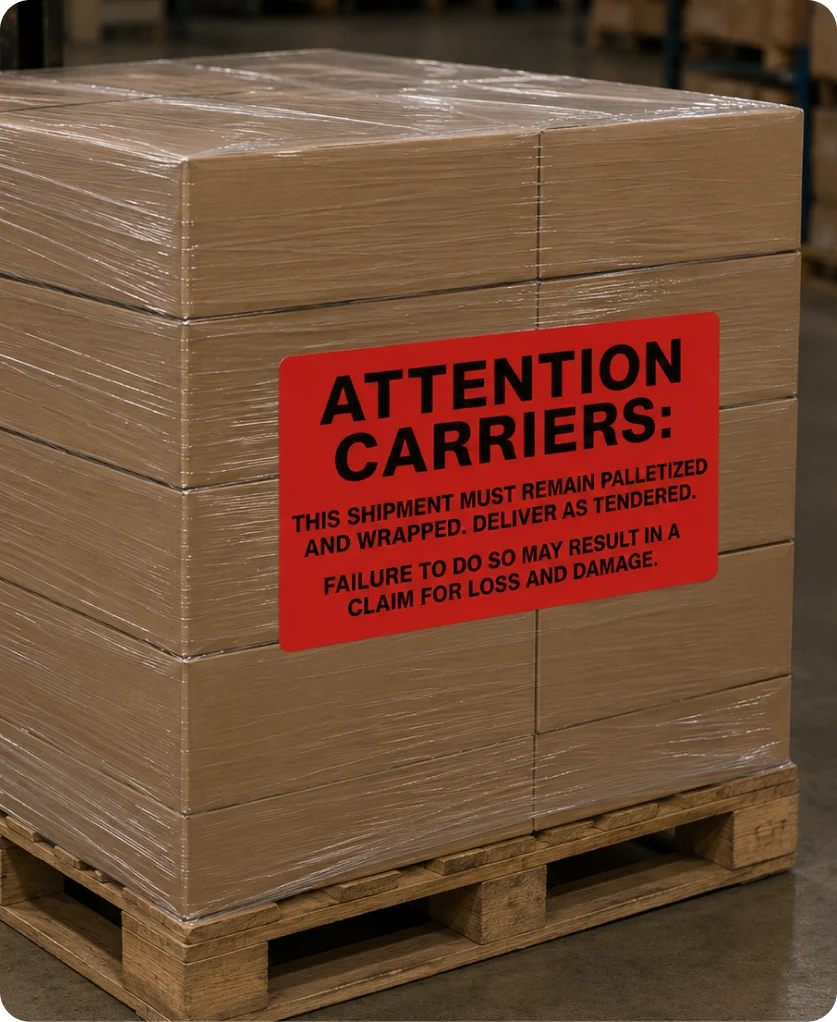
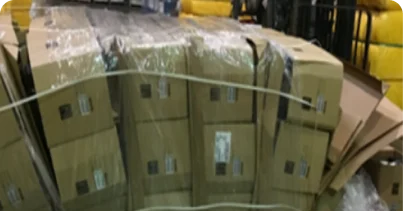
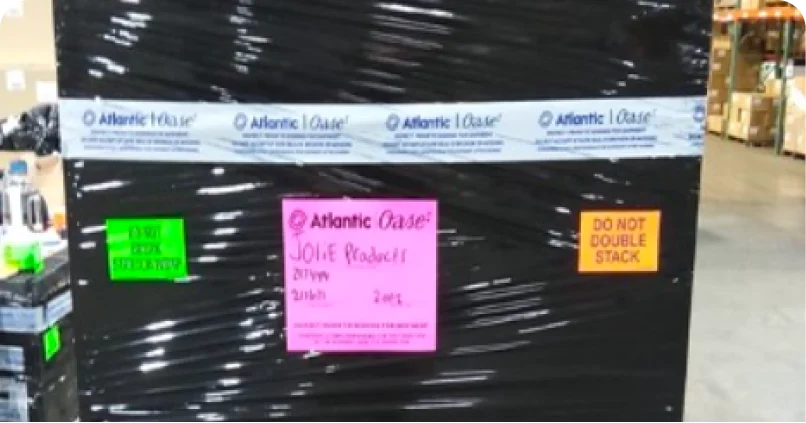
Deliver as Tendered / Stretch Wrapped by Shipper – Move and Deliver Intact Label

Unitization in Logistics: How Palletized Shipping Prevents Damage

Shipping an expensive piece of equipment is a critical moment for any business. Whether it is a precision lab instrument, a high end 3D printer, or a complex motor, these machines are designed to remain in a specific position. When equipment that should stay upright gets flipped or tilted during transit, the damage is rarely small. In many cases, it can result in a complete loss.
The “This End Up” label is one of the most important instructions placed on a shipping crate. It clearly tells everyone involved in the process how the equipment should be positioned. Without this label, a driver or warehouse worker may treat the crate like a normal box and stack it in whichever direction saves the most space.
Beyond visible damage, a shipment that travels in the wrong position can also develop hidden problems that appear only after delivery. When a machine is tilted or turned upside down, sensitive internal parts may shift slightly out of place. Oils or lubricants inside the equipment can also move into areas where they should not be. These small changes may lead to electrical issues or early wear of internal components. By the time the problem is noticed, the time limit for filing a carrier claim may have already passed, forcing the company to cover the full repair or replacement cost.

What Happens When a Machine Is Turned Over

Most machines are designed with a specific center of gravity, meaning the weight is meant to stay at the base. When shipping delicate equipment, maintaining the correct position is important for several reasons.
  1. Internal Stress
  2. Mechanical parts, sensors, and mounting brackets are built to support weight when the machine is upright. If the crate is placed on its side, gravity pulls these parts in a direction they were not designed to handle. This can lead to broken mounts, loose components, or internal misalignment.
  3. Fluid Movement
  4. Many machines contain oil, coolant, or ink. When the unit is flipped over, these liquids can move into sensitive electronic areas or leak through seals. This can cause serious damage even before the customer powers the equipment on.
  5. Stability Risks
  6. Proper positioning is also important when handling top heavy shipments. Heavy equipment must keep its weight at the bottom to remain stable. If a top heavy crate is stored sideways, it can easily tip over or crush nearby parcels. In many cases, carriers reject claims for damage caused during handling top heavy shipments if the packaging is considered unstable.
By placing “This End Up” arrows clearly on all four sides of the crate, the shipper removes confusion for the carrier. These arrows give clear instructions on how the shipment should be stored, lifted, and transported throughout the journey.
This End Up label

Preventing Carrier Disputes with Proof

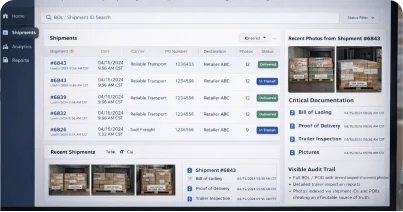
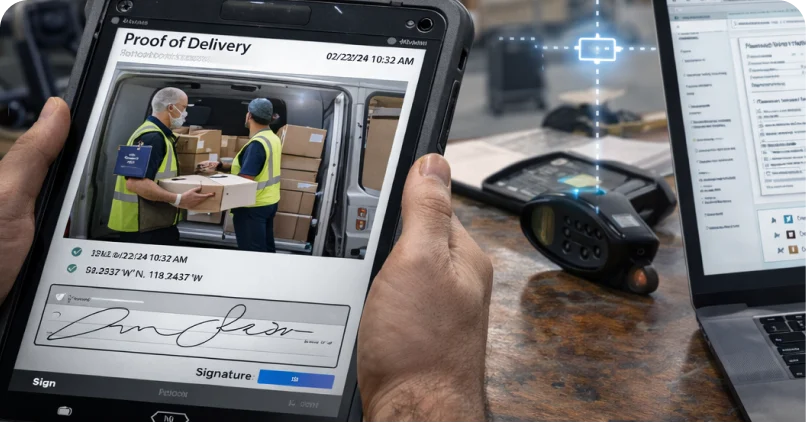
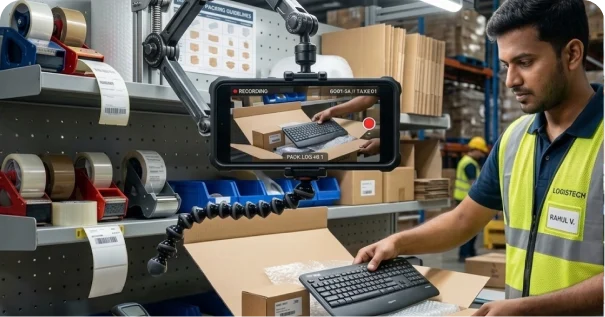
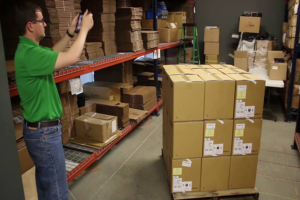
Labels are important, but they cannot completely prevent mistakes. Even when clear instructions are provided, boxes may still be mishandled. When damage occurs, carriers often assume the problem happened before shipping. To avoid this situation, photo documentation has become a key part of modern logistics best practices.
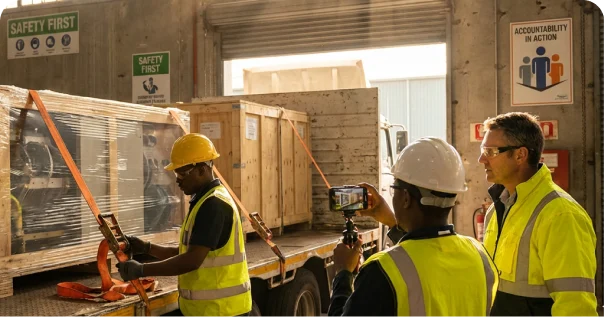
Creating a digital record of the shipment s condition before the truck leaves the dock helps protect the business during a claim. A few simple photos can provide strong evidence.
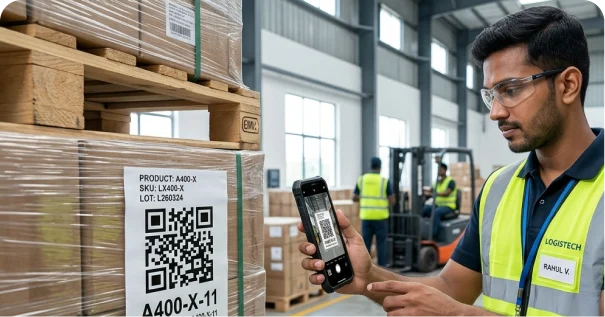
  • The Label Check – Take a clear photo showing that the “This End Up” labels are correctly placed and clearly visible.
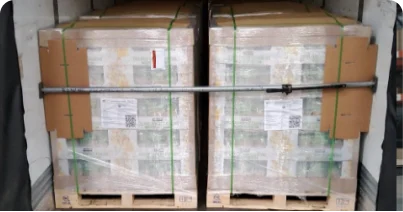
  • The Staging Check – Capture an image of the palletised crate to show that it was upright and properly secured before pickup.
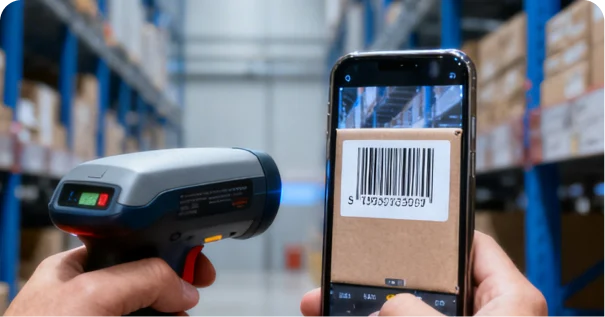
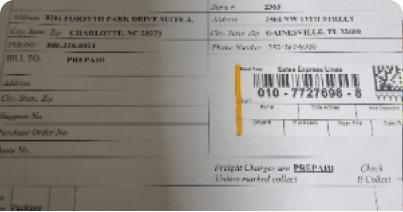
  • The Tracking Link – Take a photo that shows both the orientation arrows and the shipping label or tracking number together.
If the equipment arrives at its destination on its side, these images prove that the problem happened after the shipment left the facility. This documentation can quickly resolve disputes and support a valid insurance claim.

Applying Strong

Following clear logistics best practices helps reduce risks when shipping delicate equipment. A company may not control everything that happens during transportation, but it can control how shipments are prepared and documented.
Using clear labels together with proper photo documentation greatly improves the chances that the equipment will arrive safely. More importantly, if damage does occur, the records clearly show what happened and when. In professional shipping operations, documentation is just as important as the packaging itself.
Share this Article
Dive Deeper