



OUR BLOG
Handling High-Value Fragile Shipments

How to Stop Shipping Damage on High-Value Fragile Items

A Small Sticker, A Big Promise in Logistics

Shipping high-value, fragile equipment shouldn t feel like a gamble, yet for many businesses, it is. Whether it s a high-end laptop, a luxury timepiece, or a delicate piece of laboratory gear, the stakes are incredibly high the moment it leaves your dock. If that item arrives shattered, the financial hit is only the beginning; the real damage is the permanent loss of customer trust.
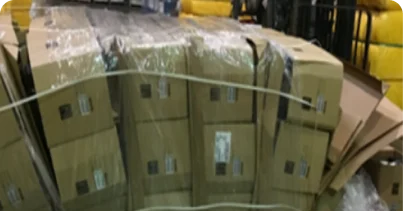
The truth is, a “business as usual approach to packing is a recipe for disaster. When you are shipping high-value items, you cannot rely on luck or a standard cardboard box. You need a dedicated strategy for fragile shipment protection that leaves nothing to chance.
This isn t just about sticking a label on a box and hoping for the best. It s about implementing safe delivery protocols that protect your assets from the warehouse floor to the customer s front door. If you want to eliminate the “clank” of broken parts and the inevitable expensive claims that follow, you have to master the art of handling fragile goods with a system that prioritises accountability and precision.
Handling High-Value Fragile Shipments

The power of the “High-Value” Label

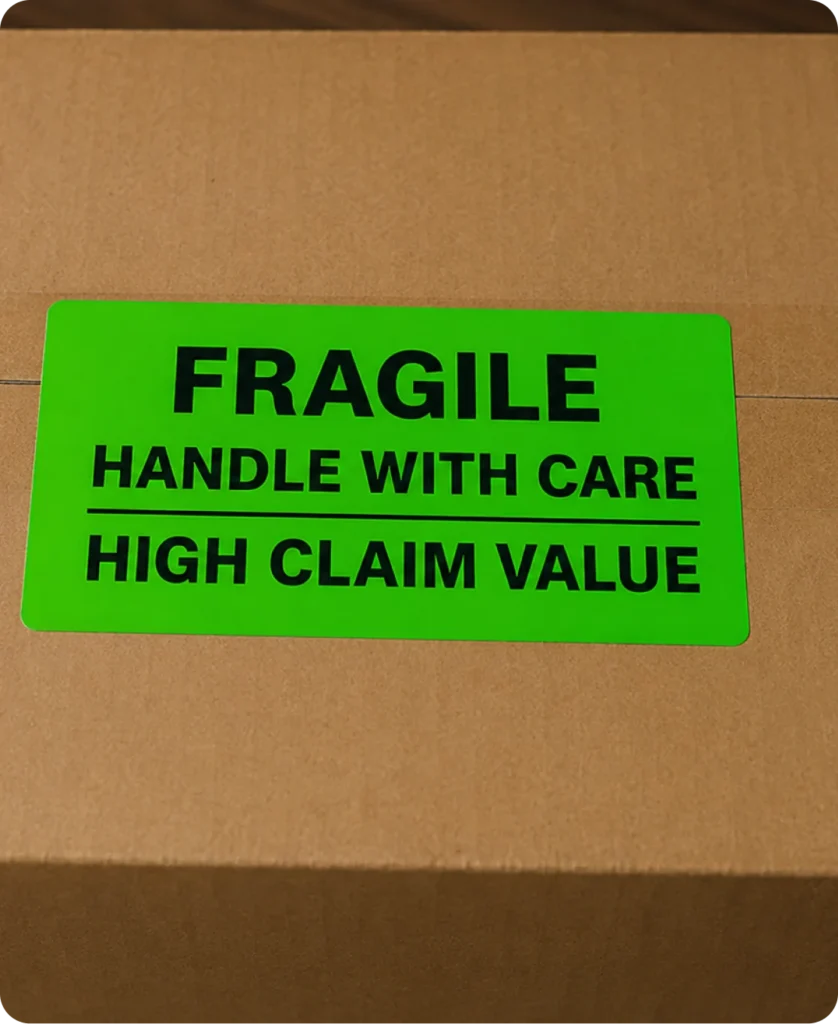
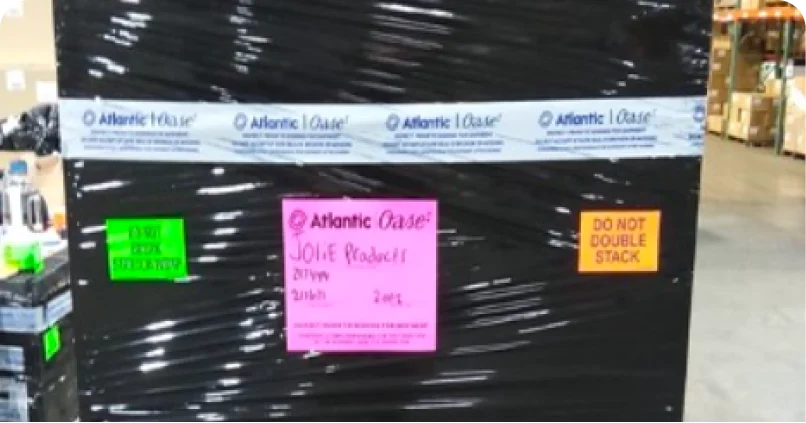
It might seem old-school, but a clear label like FRAGILE HANDLE WITH CARE HIGH CLAIM VALUE” is still your first line of defence. It s a physical warning to every forklift driver and carrier that this isn t just another box of paper towels.
A good labelling system does three things:
  • FRAGILE – Indicates that the contents can break easily if mishandled.
  • HANDLE WITH CARE – Reminds workers that this box
    shouldn t be tossed, dropped, or stacked under 500 lbs of other freight.
  • HIGH CLAIM VALUE – This is the most important part. It alerts the logistics team that if this box breaks, it s going to be an expensive headache for everyone involved. This usually prompts much better treatment.
Industry Insight: Did you know that nearly 40% of complaints regarding high-value shipments come down to simple mishandling or bad documentation? Companies that actually follow safe delivery protocols see much higher repeat-order rates.

Structured Steps to Ensure Safe Delivery

Step 1: Smarter Packaging (More than just bubble wrap)
When handling fragile goods, the label and the box have to work together.
  • Double-Boxing: For high-value items, the “box-in-a-box” method with two inches of cushioning between them is the gold standard.
  • Weight Distribution: Make sure the item is centred. If a heavy fragile item shifts to one side, the box is much more likely to burst if dropped.
  • Environmental Protection: If the item is sensitive to cold or moisture, make sure your packaging accounts for a truck sitting in a rainy yard overnight.
Step 2: Visual proof (The Digital Receipt)
Technology ensures accountability and supports label-guided handling for shipping high-value items:
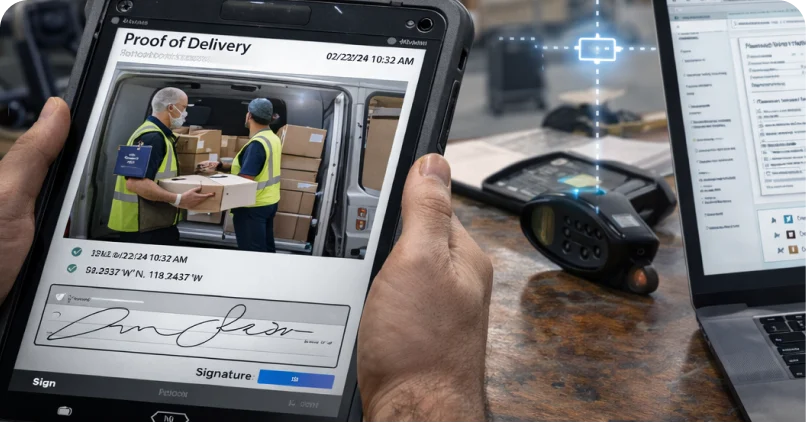
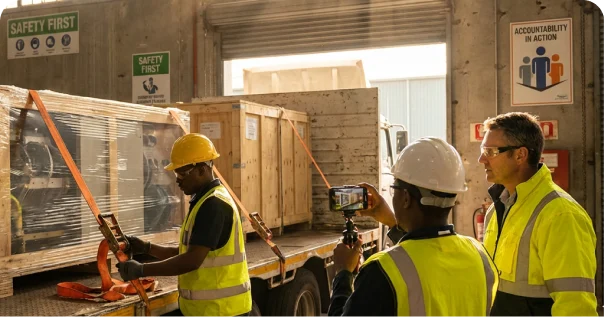
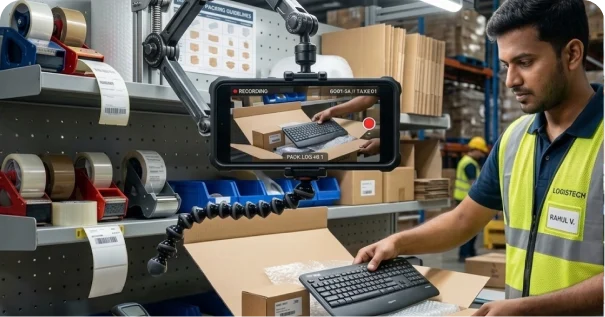
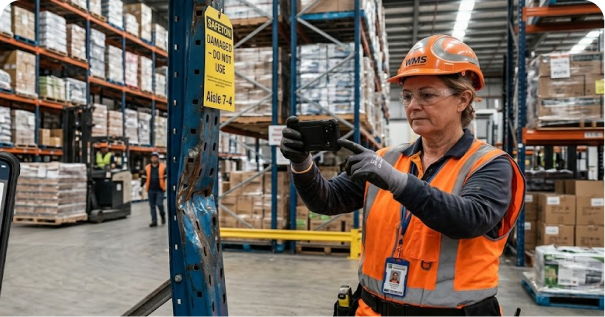
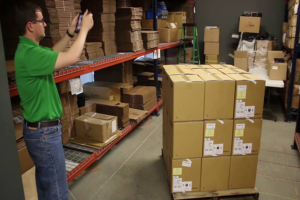
  • Take Real-Time Photos: Snap a picture of the item inside its packaging, and then another one of the sealed box with the labels clearly visible.
  • Prevent Disputes: When you have a time-stamped photo showing the Fragile label was perfectly intact when it left your dock, carriers are much less likely to fight your insurance claim.
Step 3: Use the Right Tools
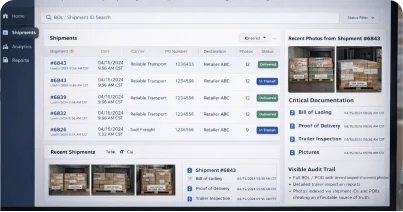
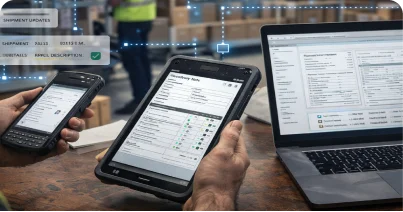
Don t rely on memory or paper logs. Using LoadProof allows your team to upload photos instantly. It builds a digital paper trail that proves your team followed safe delivery protocols to the letter.

Conclusion

The label FRAGILE HANDLE WITH CARE HIGH CLAIM VALUE” is the central tool for safe delivery. Paired with smart packaging and photo documentation that verifies its condition, By following these structured steps, businesses ensure fragile shipment protection, protect shipments, save time, and maintain strong client relationships. In today’s competitive logistics environment, attention to detail at every stage can make the difference between a satisfied customer and a costly claim.
Share this Article
Dive Deeper