











Proudly Located at the Advanced Tech Dev Center at Georgia Tech
OUR BLOG
Perform Forklift inspection using Photos

The 3-Step Photo Audit That Slashes Forklift Damage and Boosts Safety

Forklift operations are essential in every warehouse, but  small mistakes can lead to costly repairs, downtime, and safety risks. Nearly twenty five percent of forklift damage incidents are caused by operator error or missed forklift inspection activities
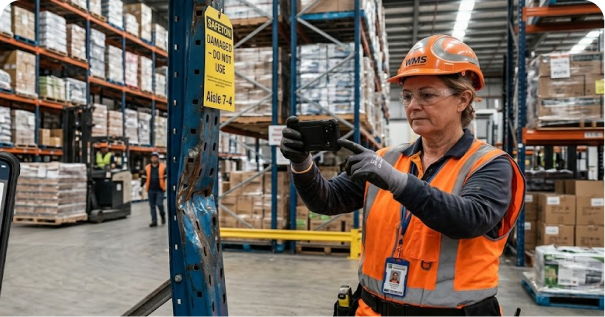
To prevent this, warehouses should focus on safety by adopting photo based forklift inspections. This simple practice creates a clear record of equipment condition, ensures operators handle forklifts properly, and promotes accountability while strengthening operational safety.

The 3-Step Visual Audit Framework

Step 1: Pre Shift Photo Inspection
Before starting a shift, operators take photos of critical forklift components such as forks, tires, hydraulics, and mast assemblies as part of a structured forklift inspection process.
Visual documentation helps managers verify that the equipment is in good condition and ready for safe operation, supporting consistent safety standards.
Capturing pre-shift images allows early detection of wear, leaks, or minor damage before they escalate, improving equipment maintenance planning and reducing unexpected failures.
Step 2: Proper Handling During the Shift
Operators follow standard safety procedures while handling forklifts, reinforcing daily warehouse safety practices. Knowing that the condition of the forklift will be reviewed encourages careful operation and attention to detail throughout the shift.
Proper handling reduces the likelihood of accidents and prevents unnecessary damage to the equipment, supporting long term operational safety and reliable equipment maintenance outcomes.
Step 3: Post Shift Photo Inspection
At the end of each shift, operators take photos of the forklift again, focusing on any areas that may have experienced stress or contact as part of the final forklift inspection.
Comparing pre-shift and post-shift images allows managers to identify any new damage immediately, strengthening warehouse safety controls.
This step reinforces operator accountability and creates a permanent record of equipment condition, closing the loop on the inspection process.

Key Benefits of Photo Based Inspections

1. Instant Damage Visibility: Issues are detected early, preventing costly repairs and downtime through proactive equipment maintenance.
2. Operator Accountability: Operators are responsible for equipment handling, promoting a culture of diligence and warehouse safety.
3. Permanent Audit Trail: Digital records support audits, compliance, and safety investigations.
4. Reduced Operational Risk: Early detection minimizes accidents and protects both the fleet and the workforce through improved operational safety.
Enhanced Safety Culture: Regular inspections encourage careful handling and build a safer, more professional warehouse environment.

Conclusion

Photo-based forklift inspections are a powerful lever for maintaining warehouse safety, operator accountability, and peak operational efficiency. By standardizing a three-step visual audit, pre-shift verification, mid-shift handling, and post-shift inspection, managers can proactively prevent equipment damage and reinforce high-standard operator behavior. Ultimately, this digital-first approach fosters a culture of transparency and professionalism across the entire warehouse floor.
Share this Article
Dive Deeper