
















OUR BLOG
Used Oil

Used Oil Management Best Practices for Warehouses & Logistics Teams

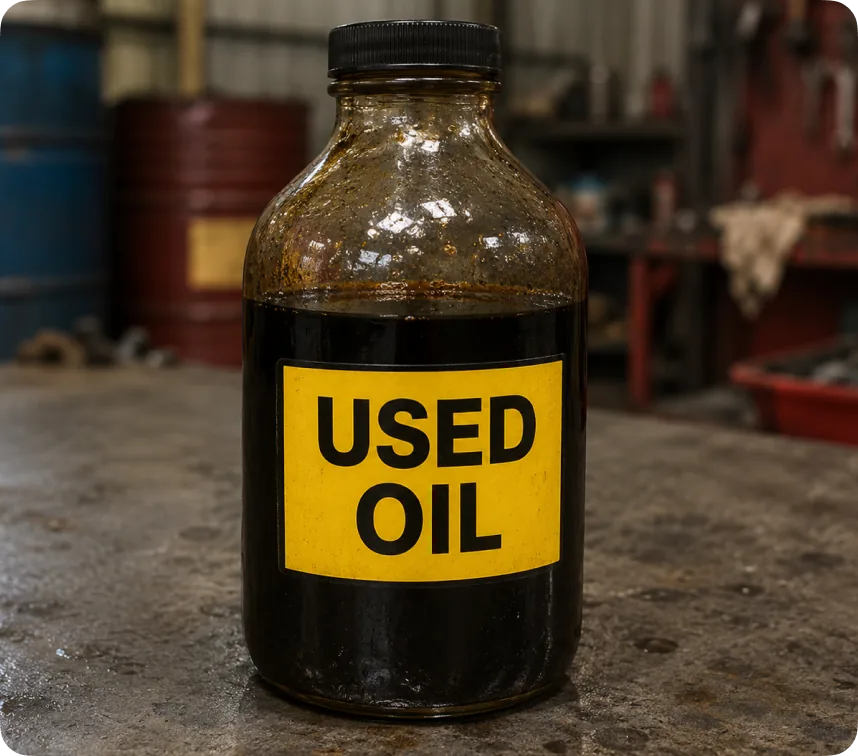
Used oil often gets pushed aside as just another messy byproduct, something that sits in the corner until it’s picked up. But from a compliance and liability standpoint, that yellow “USED OIL” label carries real weight. Treating it like ordinary waste instead of a regulated material can quickly lead to serious consequences, even an operational shutdown.

Today, logistics used oil handling has shifted from simple storage to a “cradle-to-grave” responsibility. This means your facility is legally responsible for that oil from the moment it’s drained until the moment it is safely reprocessed, even after it leaves your loading dock. Establishing a disciplined, photo-verified process is the only way to protect your brand from the crushing weight of environmental litigation.

The Terminology Trap: Why “Used” vs. “Waste” Matters

The most common compliance error starts with a marker. Many dock workers instinctively write “Waste Oil” on a drum. However, under EPA oil regulations, “Used Oil” and “Waste Oil” are two different legal categories.

  • Used Oil is oil that has been refined from crude or synthetic oil and has been contaminated through use (like engine or hydraulic oil). It is recyclable.
  • Waste Oil is oil that has been contaminated with hazardous substances (like solvents) and must be handled under much stricter hazardous waste rules.

If an inspector sees a drum labeled “Waste Oil,” they will hold you to the much more expensive and difficult hazardous waste standards. To maintain industrial spill compliance standards, the primary header must always read exactly: USED OIL. This simple distinction keeps your facility in the lower-cost, recyclable compliance track.

The infrastructure of Containment

A spill inside a warehouse is an inconvenience; a spill that reaches a floor drain or the soil is an environmental disaster. To manage this risk, every facility must adhere to strict secondary containment oil storage rules.

  1. Impervious Surfaces: Used oil should never be stored on bare dirt or asphalt. High-performance facilities use sealed concrete or epoxy floors to ensure that any micro-leaks can be wiped up before they soak in.
  2. The 10% Rule: Your secondary containment—whether it’s a spill pallet or a bermed area—must be able to hold at least 10% of the total volume of all containers stored there. If you have ten 55-gallon drums, your containment must be able to catch 55 gallons of liquid.
  3. Weather Protection: If your used oil is staged outside, it must be under a roof or a heavy-duty weather cover. Rainwater that collects in a secondary containment bin can cause drums to float and tip, or it can become “contact water” that must be treated as oily waste itself.
Glass bottle of dark used oil with a yellow USED OIL label in a warehouse

Verification and the Photo Receipt

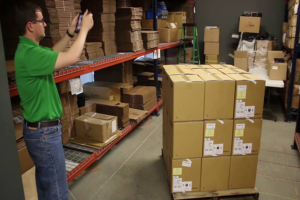
Verbal agreements are worthless during an audit in the modern supply chain. You need a digital trail. As part of your logistics used oil handling SOP, your team should utilize mobile devices to document the condition of every outgoing shipment.

Before the transporter pumps out your tank or hauls away your drums, capture high-resolution images of:

  • The “USED OIL” labels to prove they were present and legible.
  • The integrity of the drum seals.
  • The transporter’s EPA ID number on the side of their truck.

This industrial spill compliance standards verification ensures that if the transporter has an accident three miles down the road, you have timestamped evidence that the material left your facility in perfect, compliant condition.

Turning Liability into Data: Used Oil Analysis

The most advanced logistics teams implementing a Used Oil Analysis (UOA) program using which you can turn a waste stream into a predictive maintenance tool.

Analyzing the metals and chemicals in your used oil can tell you if a forklift engine is about to fail or if a hydraulic system is overheating long before a breakdown occurs. This refined approach to logistics used oil handling doesn’t just satisfy EPA oil regulations; it saves money by extending drain intervals and preventing catastrophic equipment failure on the floor.

Conclusion

Used oil management is the ultimate test of a warehouse’s operational discipline. It requires a combination of clear labeling, rigid secondary containment oil storage rules, and a commitment to digital documentation.

When you get the small details right, like using high-visibility yellow labels and capturing photo evidence of every transfer, you turn a potential environmental liability into a streamlined, professional process. In the end, the goal of used oil handling is simple: keep the oil in the drum, the facility out of the headlines, and the business moving forward.

Share this Article
Dive Deeper