



OUR BLOG
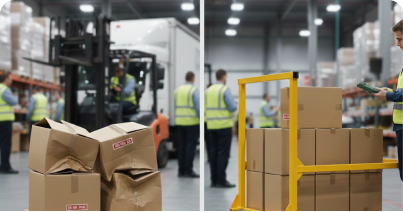
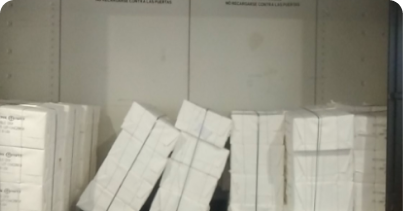
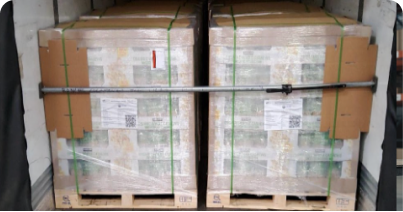
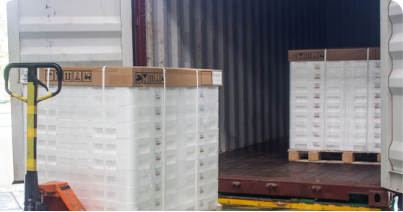
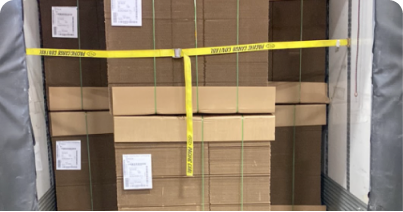
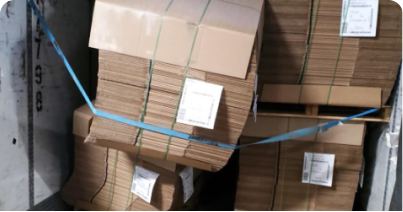
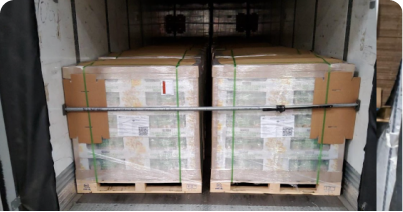
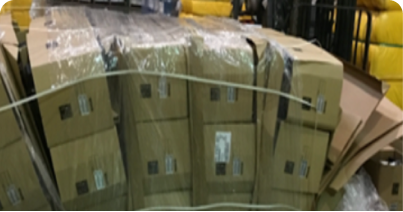
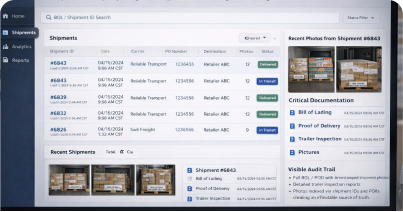
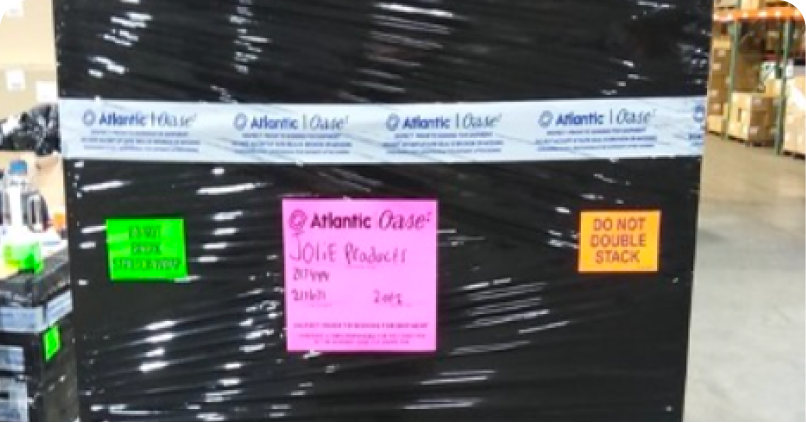
Document condition when staged for shipping, before loading, if you are 3PL, use these photos to get approval from OEM/Brand before shipping

The Mandatory Photo Rule That Protects Your 3PL Margins from Shipping Damage Claims

Every day your 3PL moves high-value freight, you face one critical, unprotected risk: the Liability Hand-off. This is the vulnerable moment when the item leaves your dock and the common carrier takes over. If damage occurs right after, and you lack ironclad proof of securement and condition, you pay shipping damage claims. It’s that simple.
To seal this persistent financial leak, you need a mandatory, non-negotiable protocol that transfers that liability instantly.

The Best Practice

Document the final condition when staged for shipping, and secure written OEM approval on those photos before the truck pulls away. This simple rule is the fastest way to save your profits and secure client loyalty.

Challenge: The High Cost of Unverified Risk

In logistics, hoping a load is fine isn’t a best practice. It’s a guaranteed path to severe financial loss. If your documentation is weak, your business absorbs the full impact of external issues:
  • Financial Erosion: You end up paying for shipping damage claims that were not your fault. These costs quickly eat into your profit margins, often amounting to thousands of dollars per incident.
  • The Client Dispute Trap: Weak proof destroys customer trust. When a claim arises, staff must dedicate unnecessary hours to fighting the dispute and searching for historical records. This wasted time increases your labor costs and risks losing the client altogether.
  • Compliance Defaults: Without a clear record of the item’s condition at the time of transfer, your inability to prove proper cargo securement results in liability defaulting to your 3PL, leading to fines and serious difficulty maintaining trucking compliance.
If you cannot verify the pristine condition of the item at the moment of transfer, you are choosing to absorb all of the risk of shipping damage claims.

The Solution: Staged for Shipping Protocol

This protocol is your professional insurance policy. It turns a vulnerable transfer point into a documented, client-approved event, putting the power of proof back in your hands.
1. The Proof: What You Must Photograph
To satisfy an insurance adjuster, a blurry photo of a box from five feet away won’t cut it. You need three specific shots:
  • Four-Way Integrity: Capture clear, well-lit photos of the entire package (pallet and product) from all four cardinal directions. You must show the whole package.
  • Close-Up on Seams and Straps: Focused images must clearly show the security of the banding, the shrink wrap, and the integrity of the packaging materials. This proves your commitment to cargo securement.
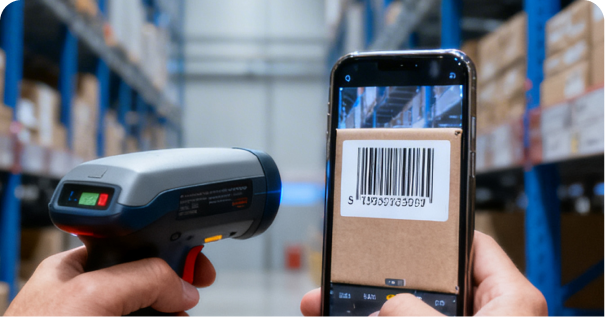
  • The Key Tag: Take a clear picture of the final shipping label and tracking number. This digitally tags the visual documentation to the exact asset, leaving your dock.
2. The Lock: Securing OEM Approval
This step is the profit protector. The physical transfer of risk happens when the client officially accepts the item’s final condition.
  • Immediate Transmission: Send the final condition report (the photo link) to the client immediately after staging. Time-stamping is essential for establishing when the liability clock effectively stopped for your team.
  • The Loading Halt: Crucially, the truck must not be loaded until you receive explicit, written sign-off. That email or system confirmation of OEM approval is your legal firewall.

Final Takeaway

Stop paying for problems that weren’t yours. Implement the mandatory staged for shipping and OEM approval protocol today; it is the easiest, most valuable investment you can make in your business certainty.
Share this Article
Dive Deeper